Staying Invisible While Light Paintingβ€”The Art of not Being Seen

One of the first questions I am asked about light painting is, β€œWhy don’t you show up in the picture?” It’s a great question.

As photographers, we’re accustomed to being very mindful of what’s in our frame. We’re constantly trying to keep our hands, feet, tripod legs and tourists out of the shot. The act of painting our scene with light, however, often requires us to not only walk through, but sometimes stay within the frame for long periods of time. So why don’t we show up?

Long Exposures

The main reason is time. Exposures for light painting are often so long that we just don’t register in the exposure. Let’s take an example of a shot made on a full moon night. If a shutter speed of 2 minutes is required to produce a well-illuminated scene, you would need to stand in the composition for 2 minutes to be properly exposed. If you stood there for 1 minute, you would be a ghostβ€”meaning that you would look transparent. For half of the exposure you are there, for the other half, the sensor is seeing what’s behind you.

Now let’s take it down a bit. If you stood there for 30 seconds you would be even more transparent. And if you stood still in the frame for 8 seconds or 4 seconds, you wouldn’t even register. You are just not in the frame long enough to make an impression. Couple this with the fact that you almost never stand still while light painting, and you can see why you are not seen!
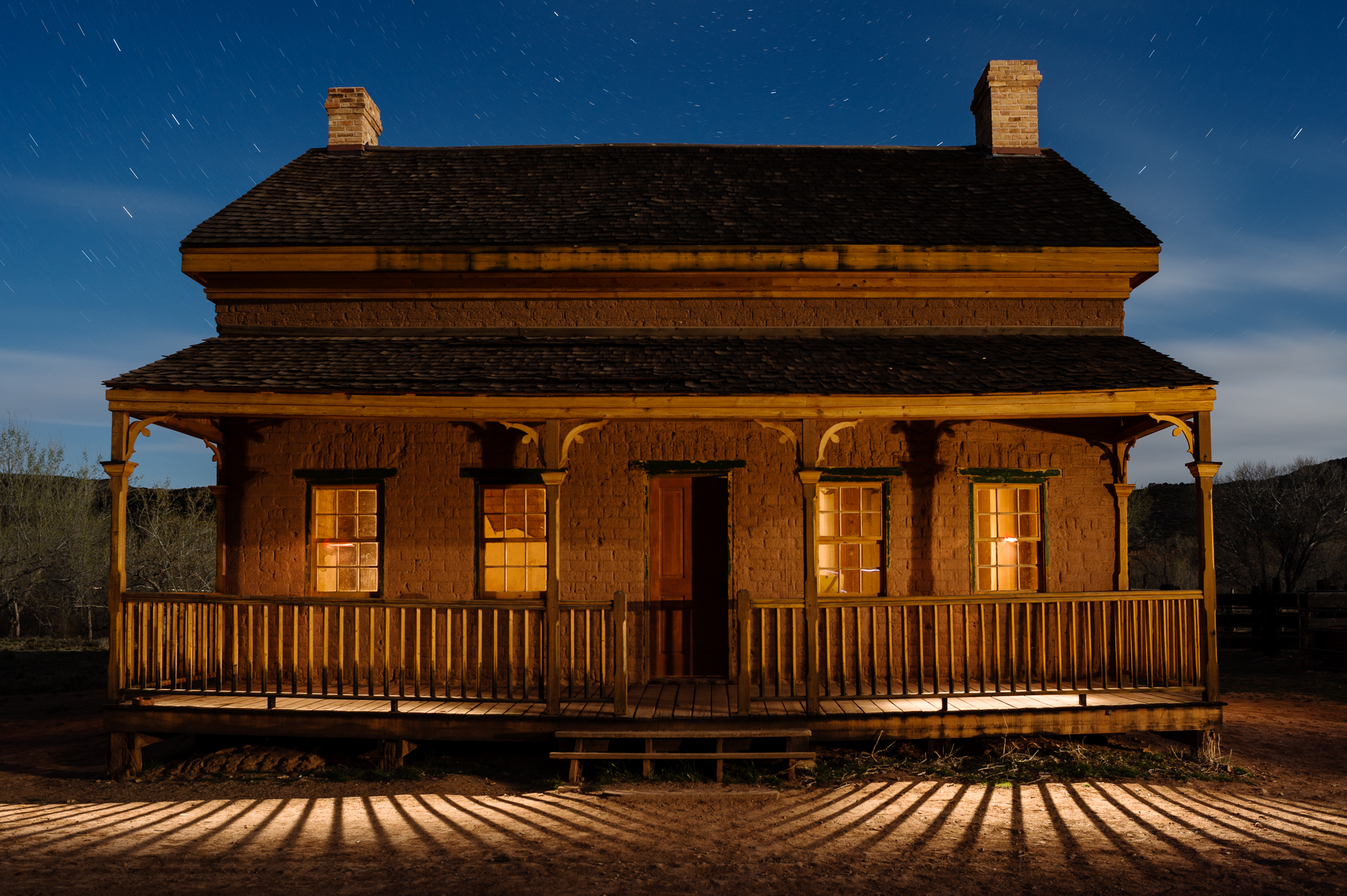
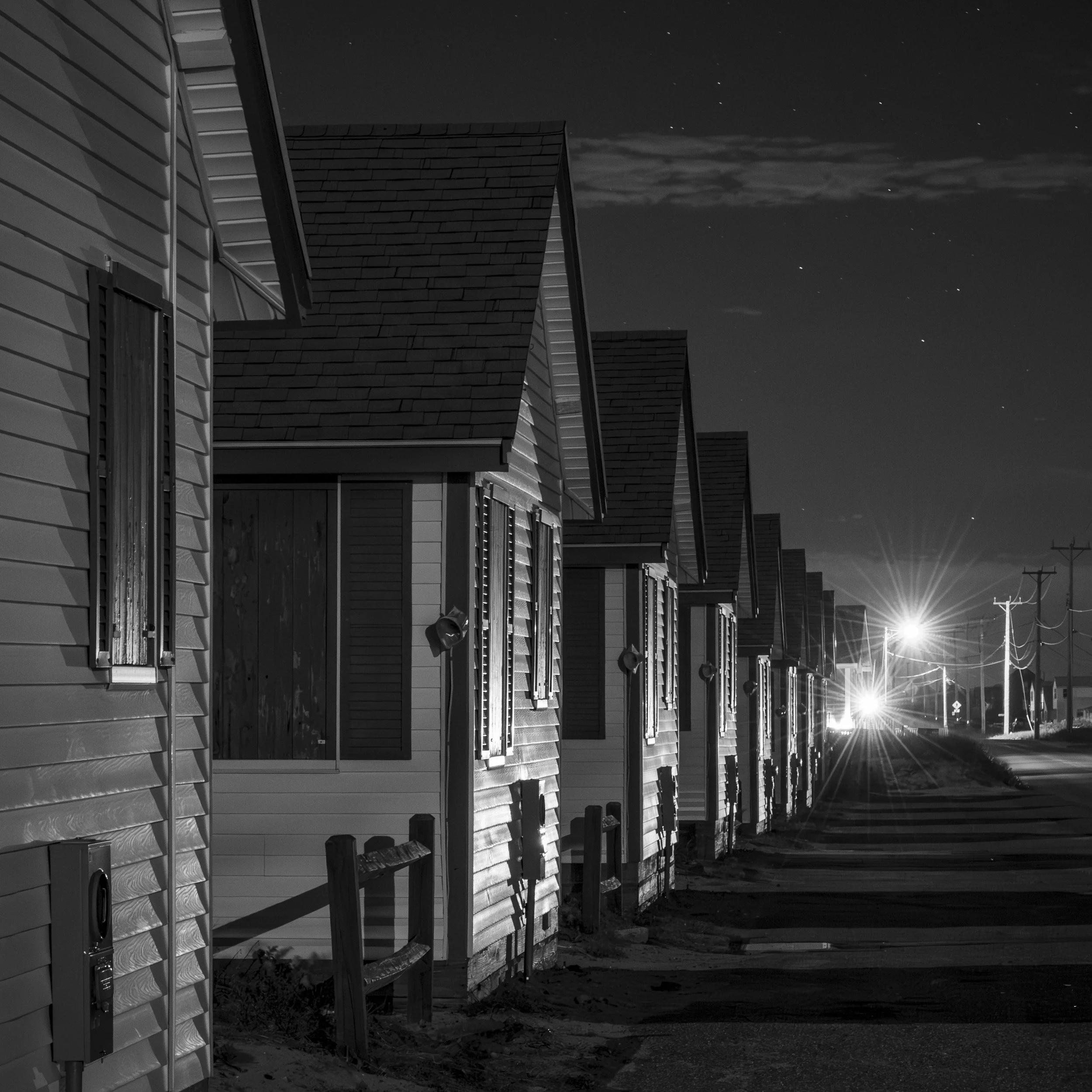
For this image I stood in front of the windows and painted back at the camera to create the shadows on the ground. The overall exposure was 3 minutes. The 20 seconds that I stood in front of the windows was not enough time for me to register on the …

For this image I stood in front of the windows and painted back at the camera to create the shadows on the ground. The overall exposure was 3 minutes. The 20 seconds that I stood in front of the windows was not enough time for me to register on the exposure.
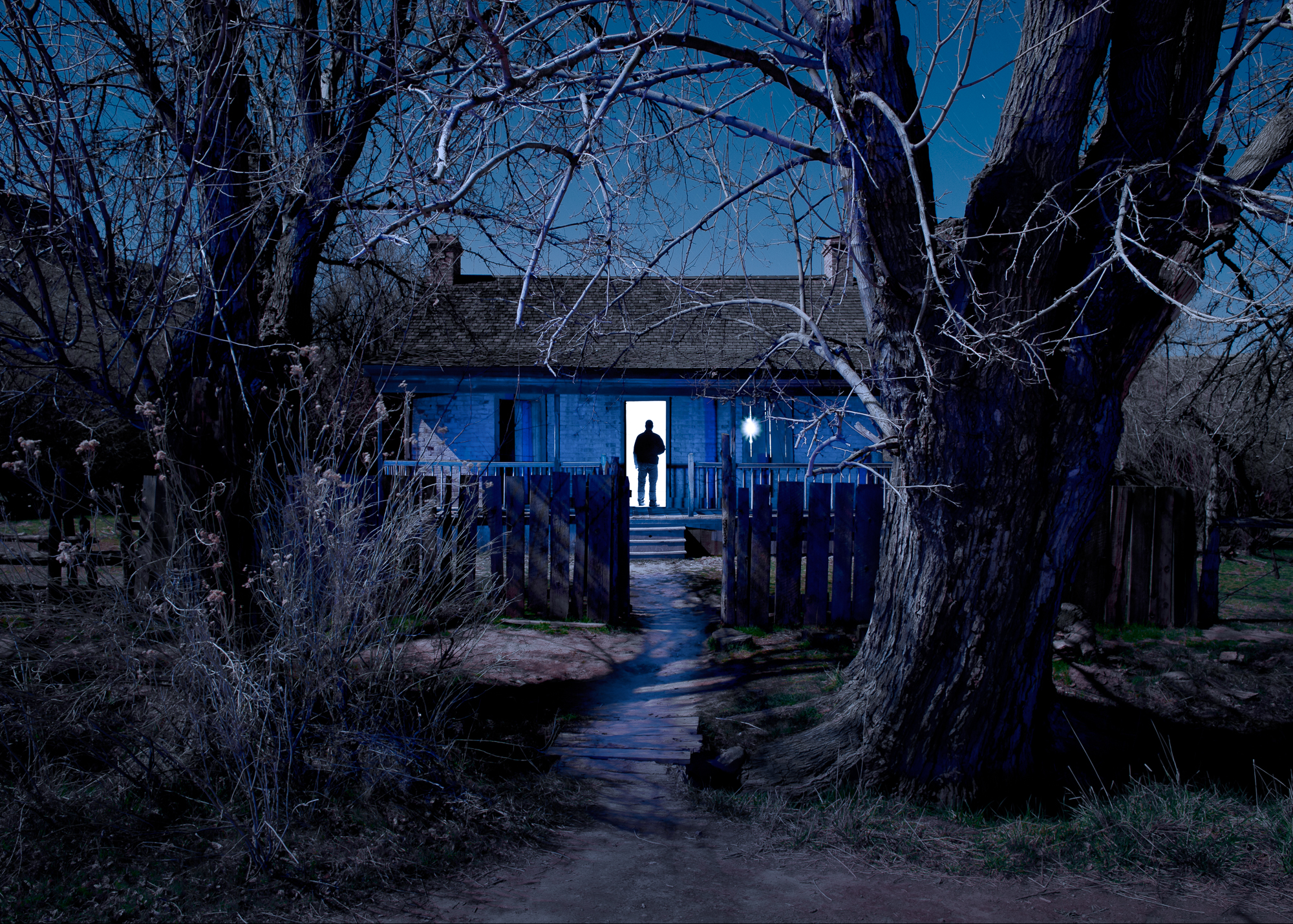
In order to be visible in this scene, I had to stand in the doorway for the entire length of the exposure. If I stood there for only half of the exposure, I would have been a ghost.

In order to be visible in this scene, I had to stand in the doorway for the entire length of the exposure. If I stood there for only half of the exposure, I would have been a ghost.

The Caveat

In the above scenario of the full moon we are assuming that you are not being illuminated by anything but the full moon. But, if you introduce a light source brighter than the ambient light (your flashlight, for instance), it will be β€œseen” in the scene.

This is exactly why and how our subjects become brighter than the background. We paint them with a light source brighter than the ambient lightβ€”in this case, the moon. So if you accidentally paint yourself with the flashlight, you too will register on the sensor!

Sometimes, even the light bouncing back from the object you are painting can somewhat illuminate you. In the image below you can see that I am ghosted in the lower center of the frame. Although this was a completely dark mausoleum, the walls were close enough that as I painted, they bounced enough light back onto me to make me partially visible.
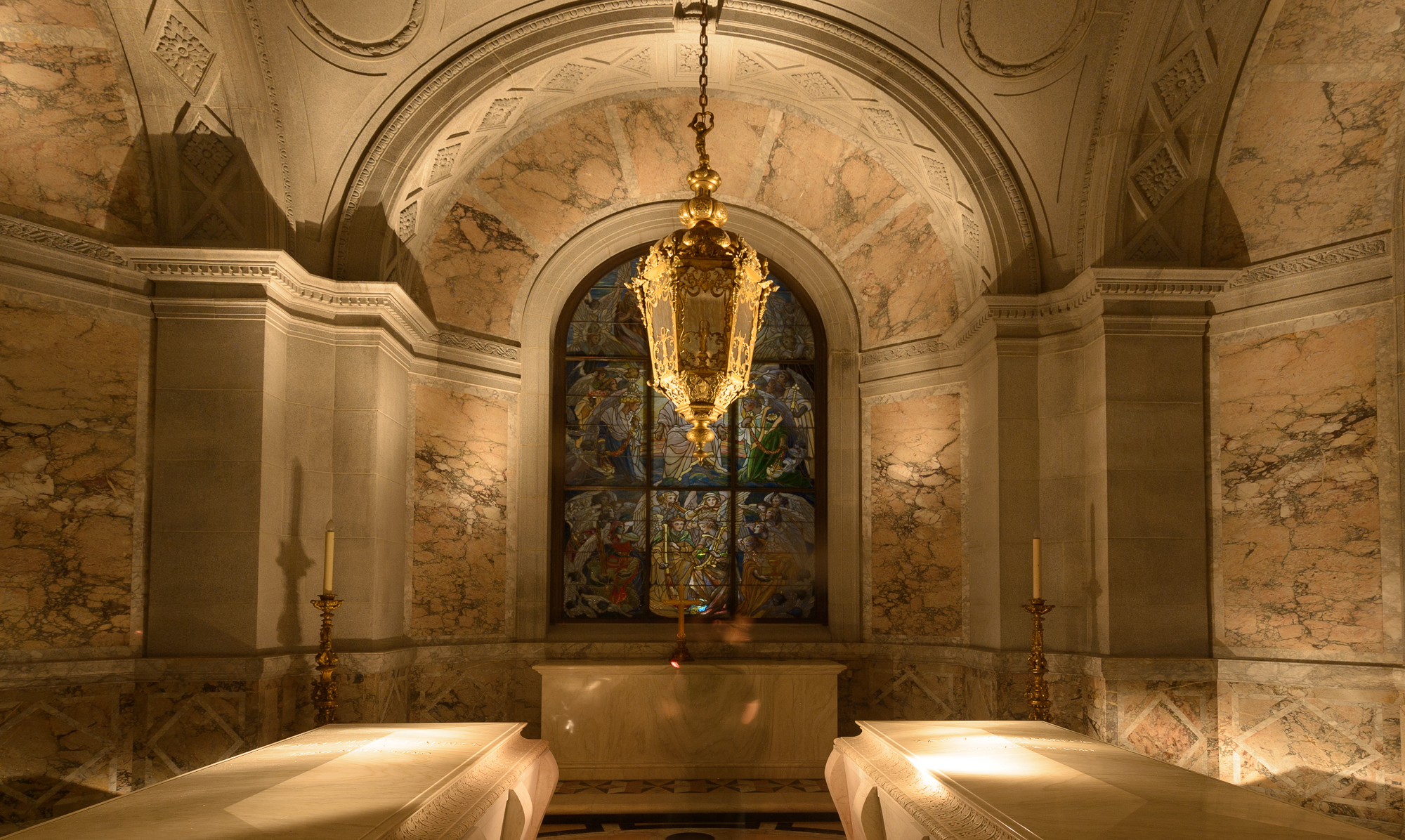
Bounced light from the walls I was painting was enough to illuminate me.

Bounced light from the walls I was painting was enough to illuminate me.

Solutions to Being Seen

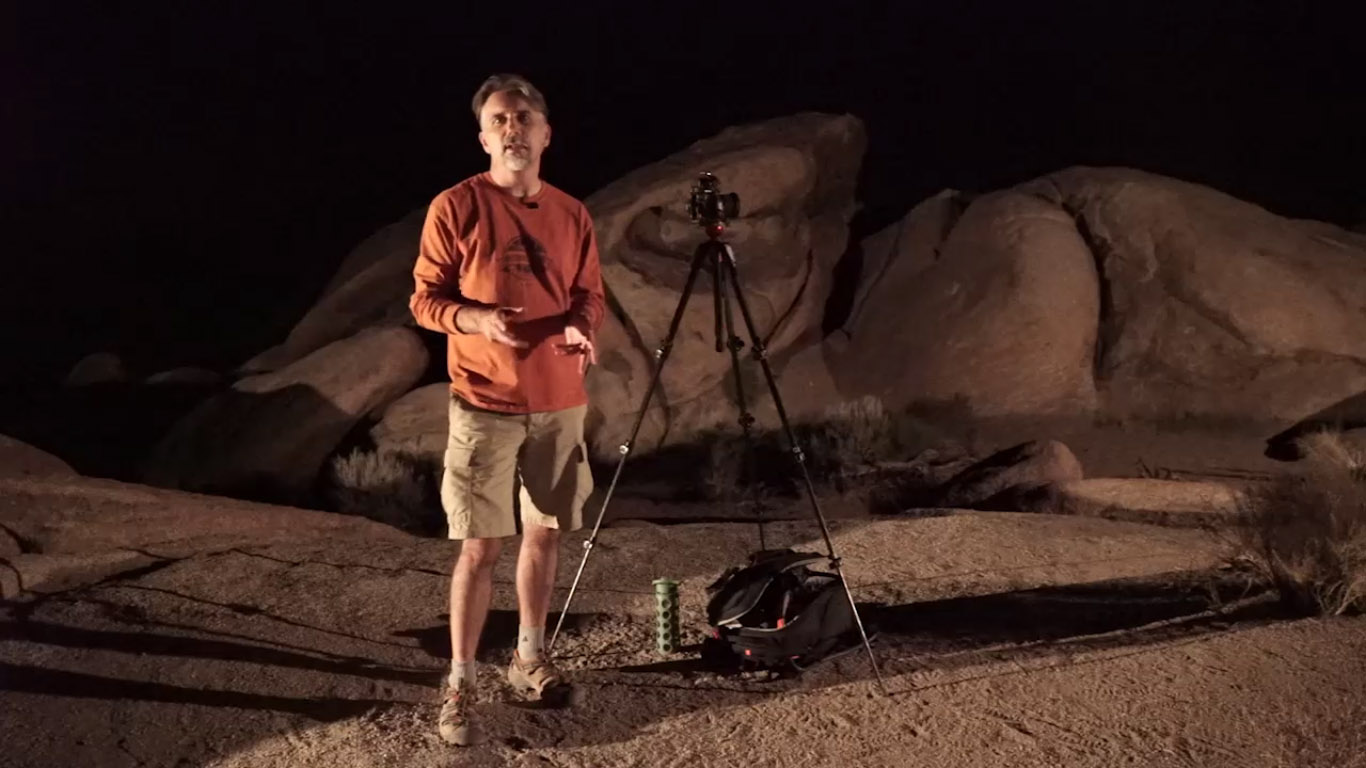
The first step you can take to hide yourself from the camera is to wear black clothing. Black fabrics will absorb most of the stray light and ensure that you remain invisible. Steer away from lighter colored pants such as khakis, as they will reflect more light.

Also, remember that the brighter the scene is, the shorter the exposure will be. Shorter exposures will require that you don’t stay in one place for too long. Longer exposures are much more forgiving, allowing you to linger a little longer in spots.

And don’t paint yourself with the flashlight! Anything the flashlight touches will show up in the scene. Keep it pointed at the subject, not yourself!

Another similar issue when light painting is when your flashlight or other light-painting tool shows up in the image. Sometimes you may want this effectβ€”such as when writing with lightβ€”but when it’s an accident it can ruin your photos.
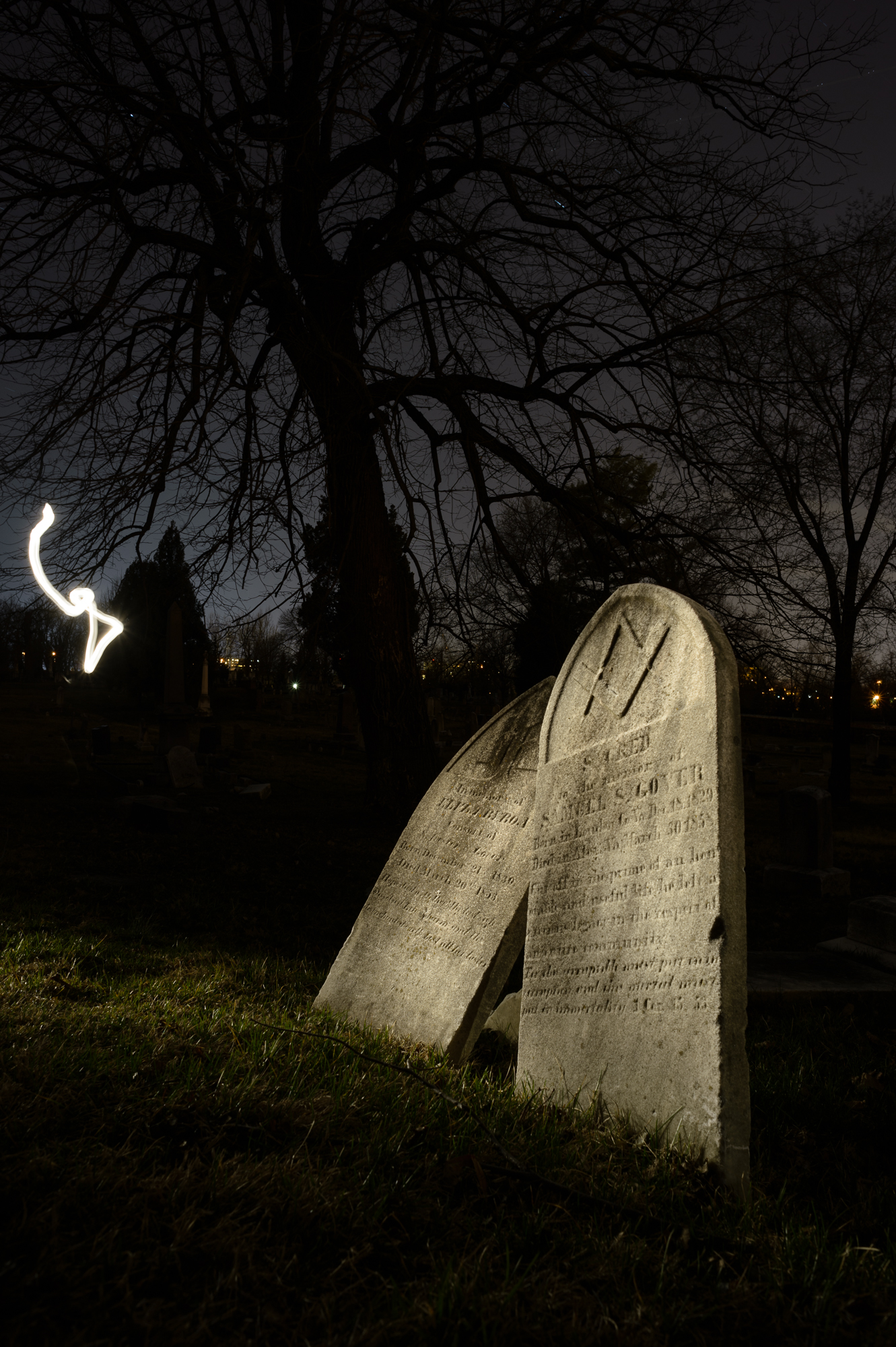
In this image, while light painting the gravestones, my flashlight slipped out from behind my body and the camera was able to β€œsee” it.

In this image, while light painting the gravestones, my flashlight slipped out from behind my body and the camera was able to β€œsee” it.

To prevent this, think of it as hiding the flashlight from your camera. The simplest way to do this is to keep your body between the flashlight and the camera. This can be difficult, especially while you are trying to paint something from the side, as seen in the image above. This flashlight angle produces beautiful texture on the subject but you must be careful to always hide the tip of the flashlight. If your camera sees the tip (where the bulb is), the light source itself will be recorded.
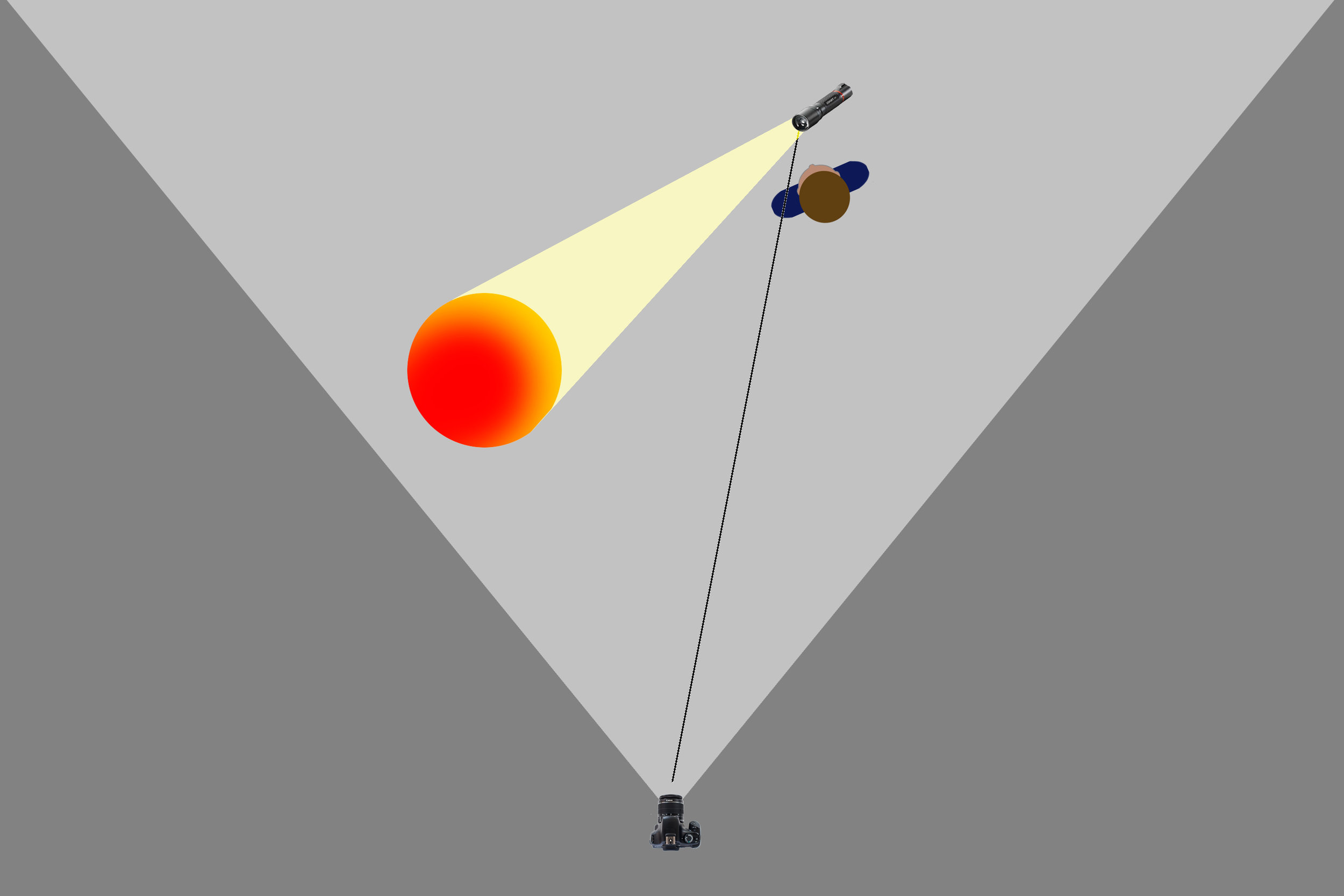
Keep your body between your flashlight and camera.

Keep your body between your flashlight and camera.

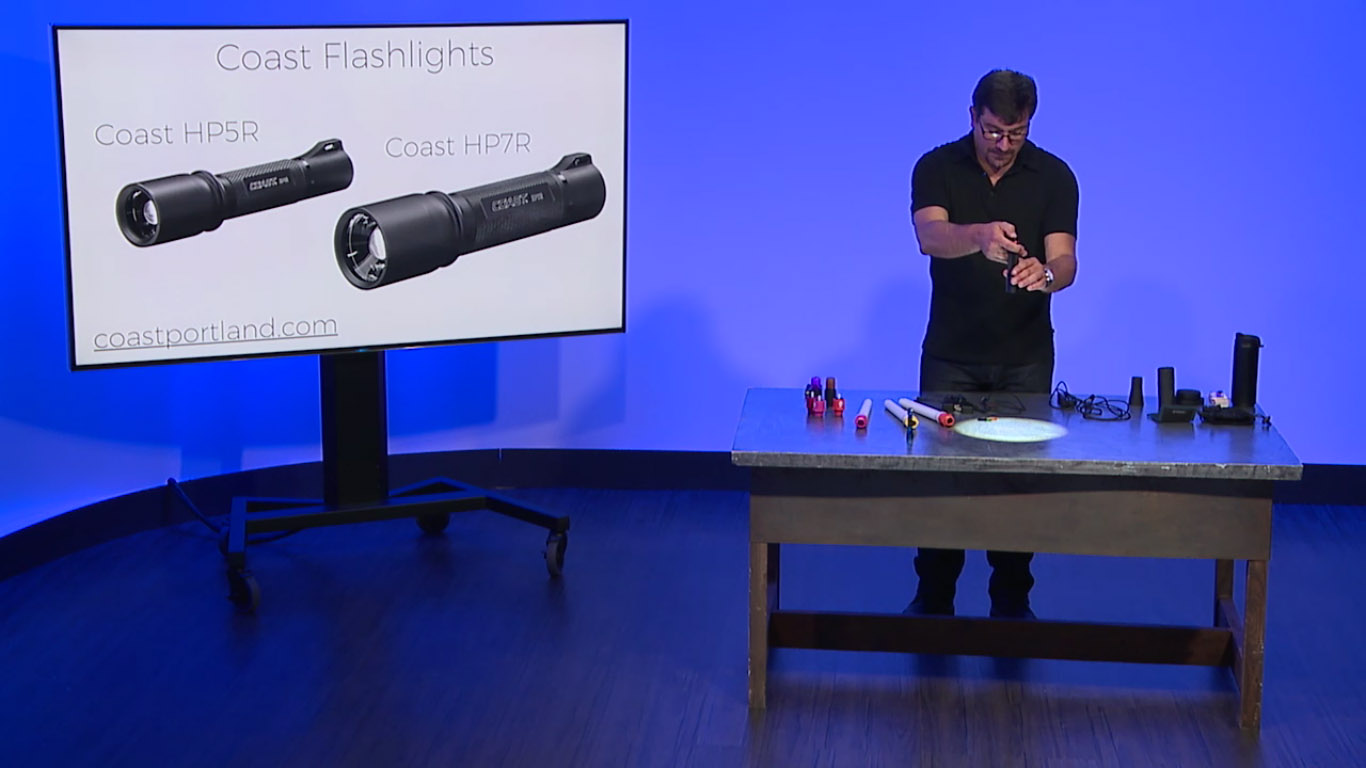
Another method of hiding your flashlight from the camera is to use a rubber snoot. Fit one onto the front of the light, and it will hide the bulbs while still letting the light flow into the scene where you want it. I find the Universal Connector by Light Painting Brushes works really well as a snoot (in addition to its intended use for connecting brushes to your flashlight). A less elegant DIY solution is to cover a toilet paper tube inside and out with black gaffers tape.
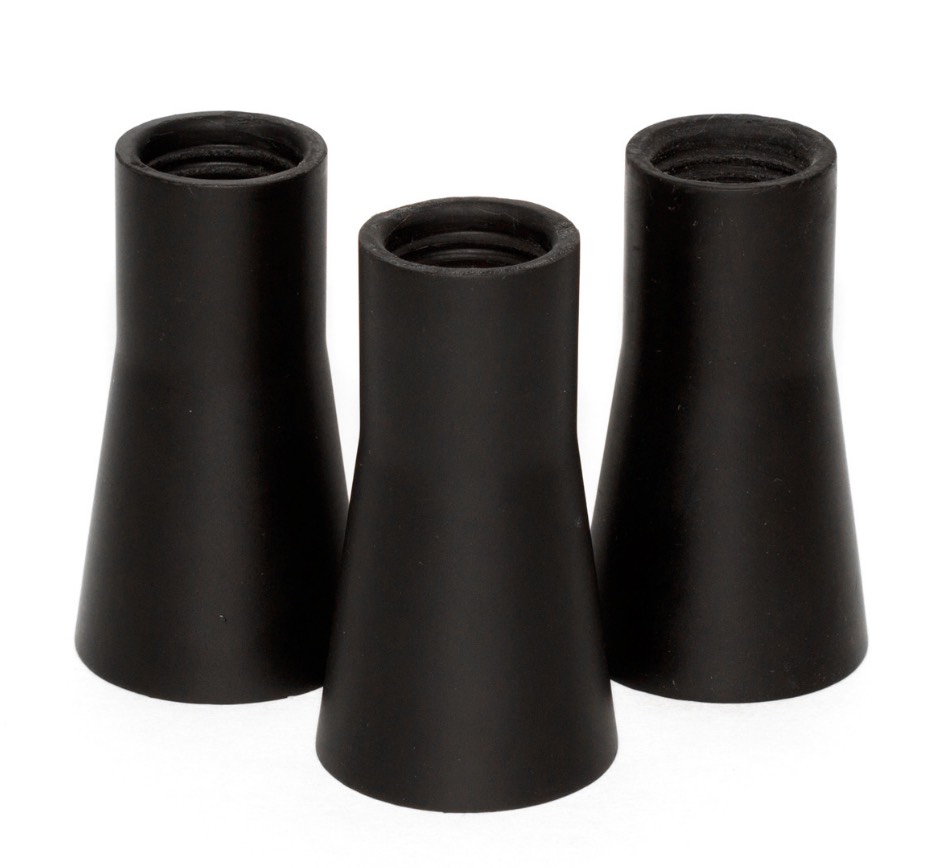
These Universal Connectors by Light Painting Brushes are designed to hold light-painting tools, but also can serve as excellent snoots to mask the tip of your flashlight.

These Universal Connectors by Light Painting Brushes are designed to hold light-painting tools, but also can serve as excellent snoots to mask the tip of your flashlight.

With these techniques and a little practice, you’ll be effectively invisible to the camera. Fortunately in the digital age we can look at the LCD to see if we’ve shown ourselves, quickly learn from our mistakes, and get the shot right the next time.

For more information about the equipment mentioned in this post, see the Our Gear page.
Learn more techniques from Tim Cooper’s book The Magic of Light Painting, available from Peachpit.

UPCOMING WORKSHOPS FROM NATIONAL PARKS AT NIGHT

Night Photography Week Recap: Our Adventures With CreativeLive

Last week we had the most amazing experience. Well, more accurately, the experience lasted the entire summer.

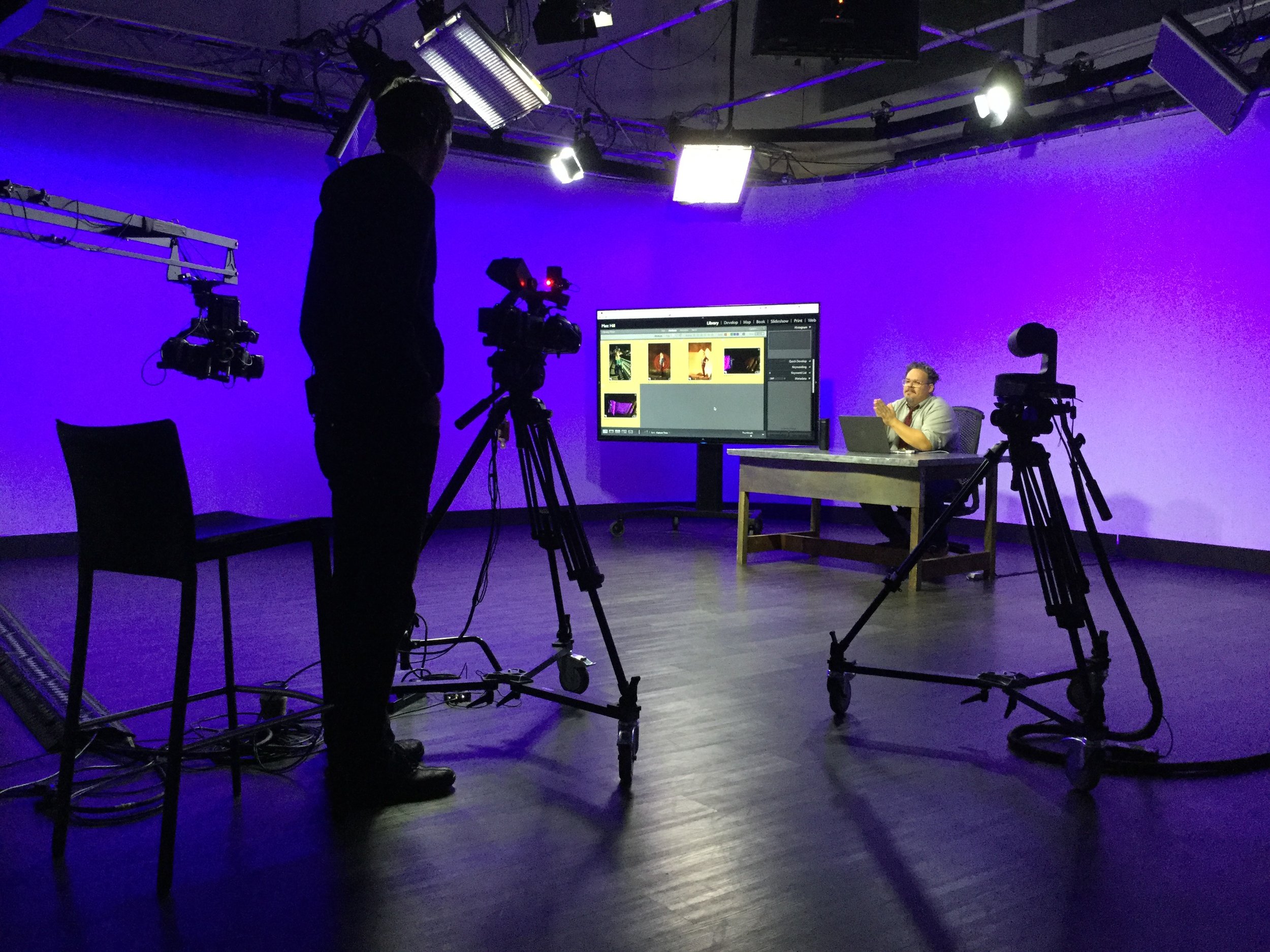
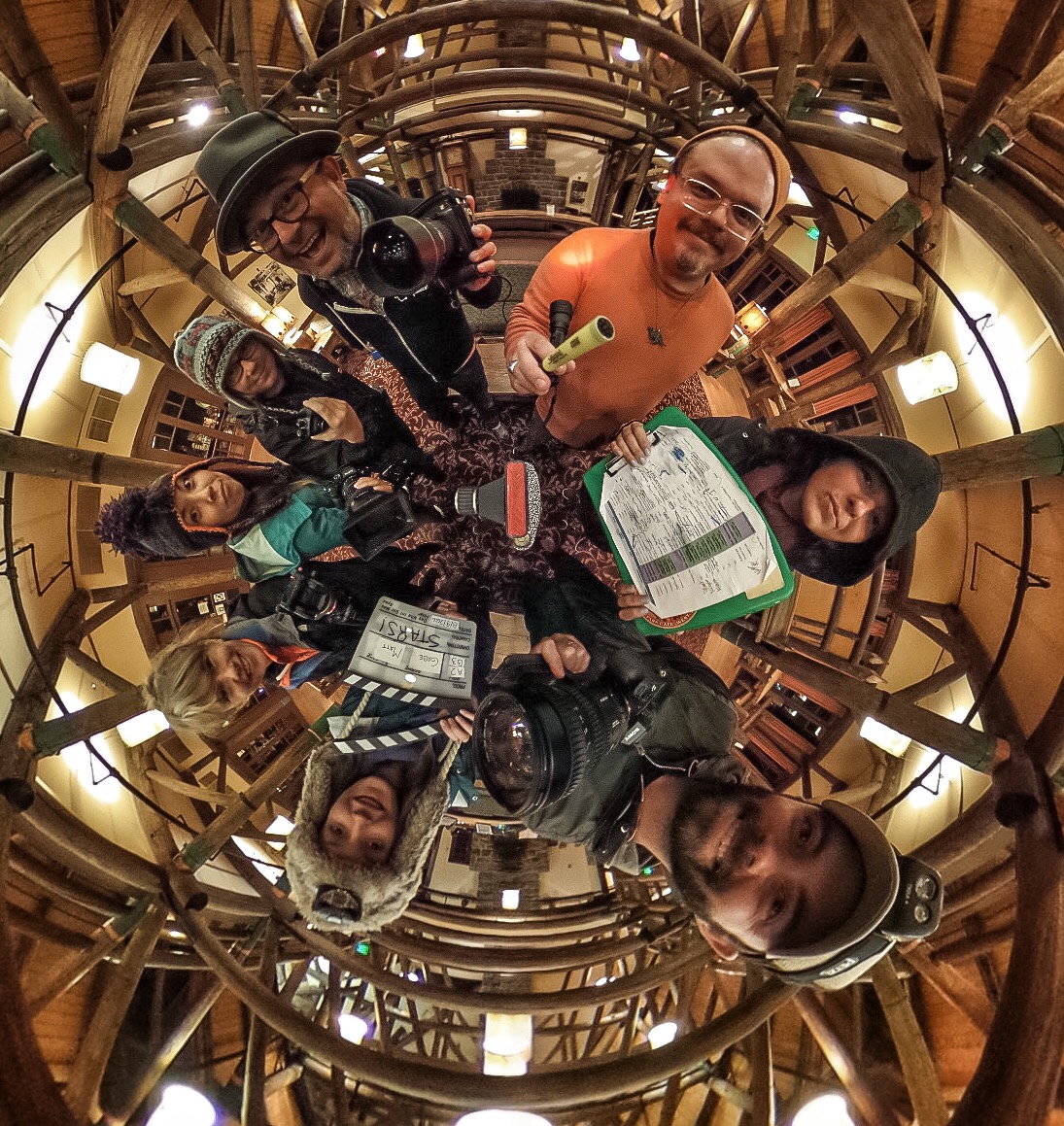
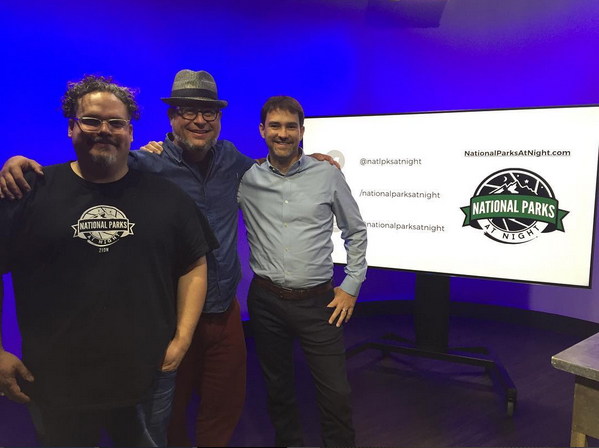
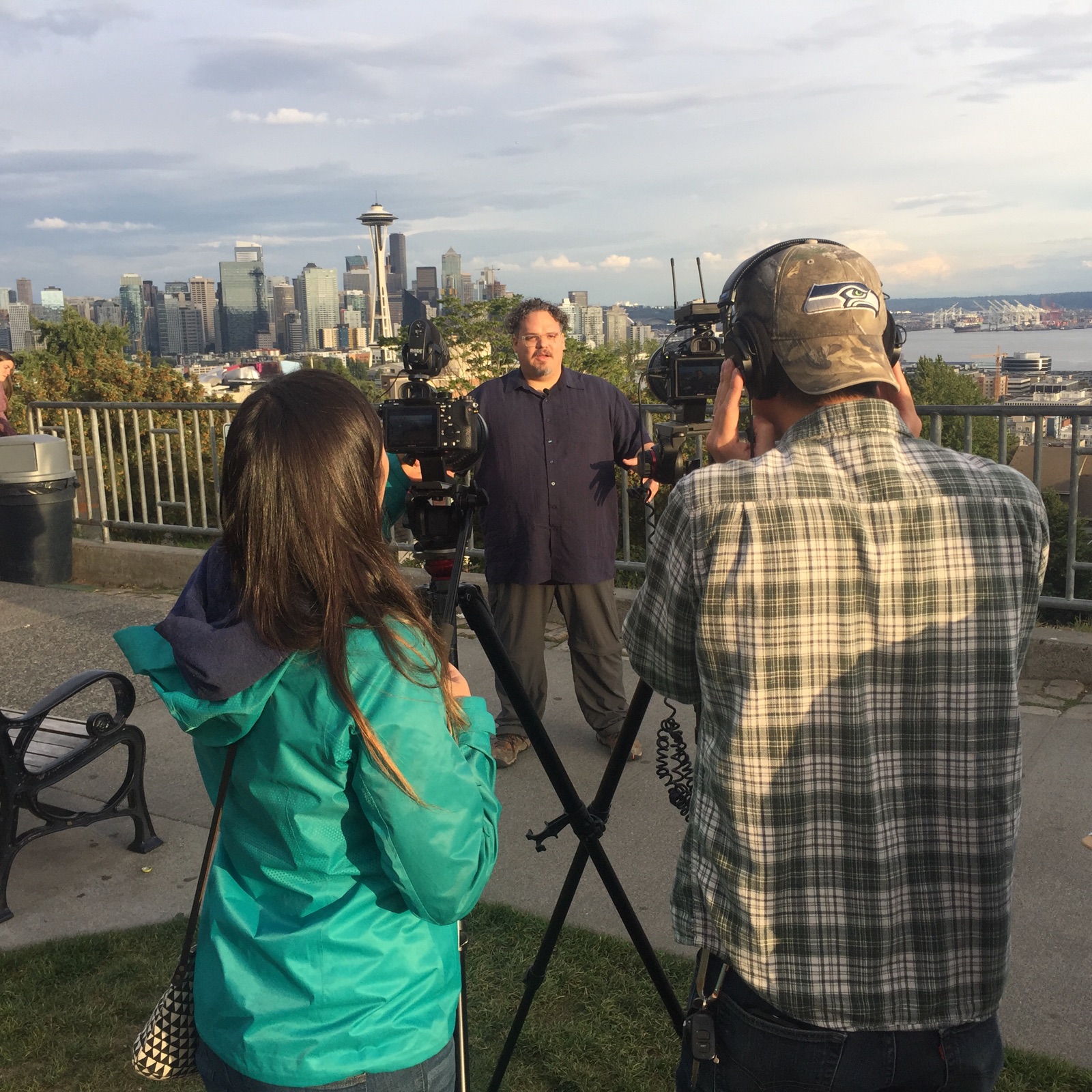
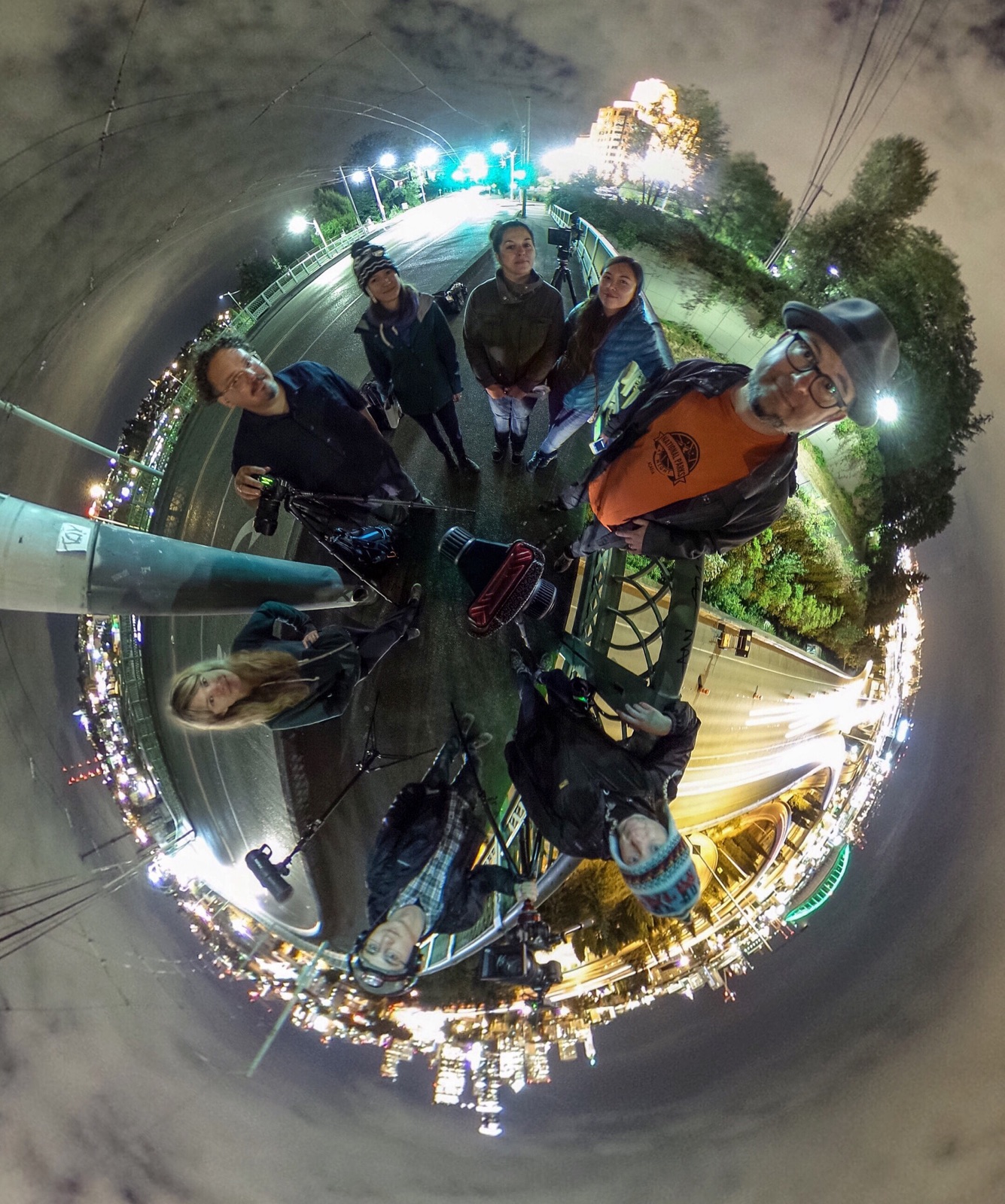
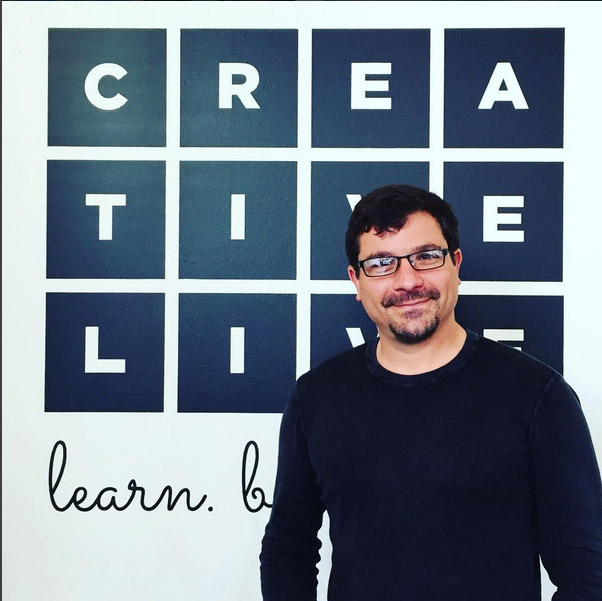
A few months ago CreativeLive brought the entire National Parks at Night team on board to design a series of video courses about night photographyβ€”a long, challenging and rewarding project that culminated with "Night Photography Week" on September 12-16.

I can speak for all of us in saying that the experience of working with CreativeLive was remarkable. Their team is so professional, talented and capable that we all felt an immediate sense of easeβ€”from Day 1 we could sense that the process would be smooth, and that we could focus on producing the best content we could imagine to deliver to our followers and theirs.

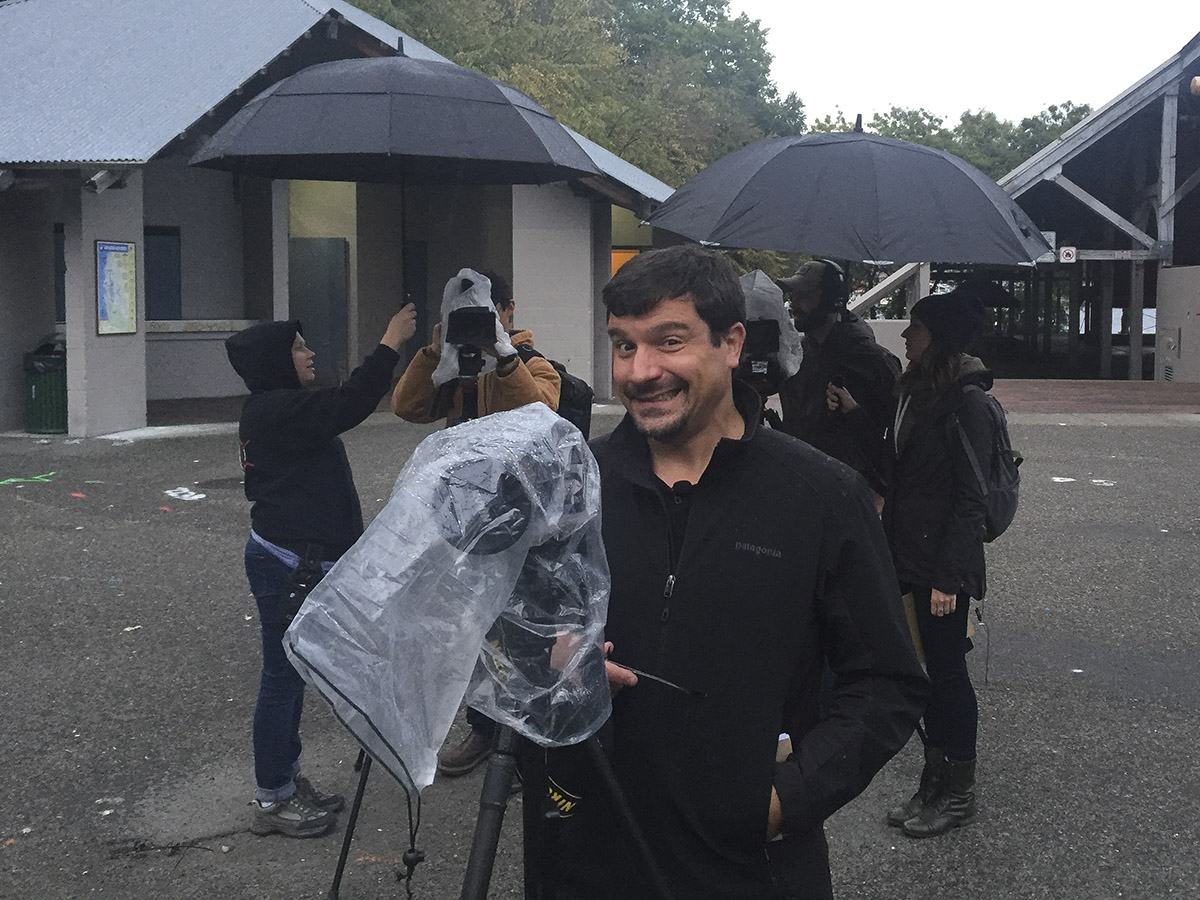
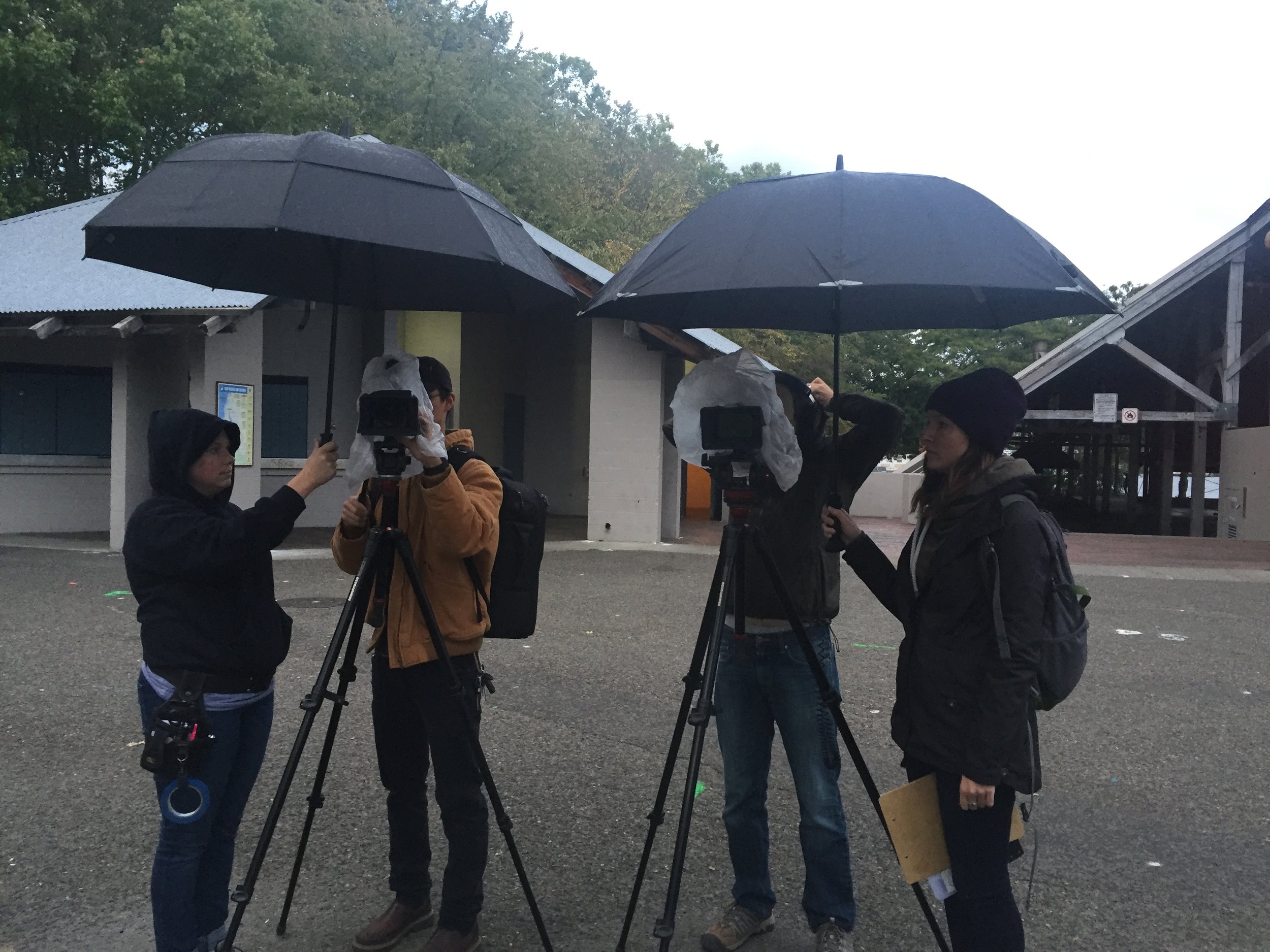
The production teams were true collaborators, offering an honest listen-and-feedback loop that everyone involved thrived on. And while their plans were honed to a T, they were adept at quickly adapting to avert or make the best of obstacles. (Let's just say that only two of the five of us did not have to deal with rain or fog during scheduled night-sky shoots.)

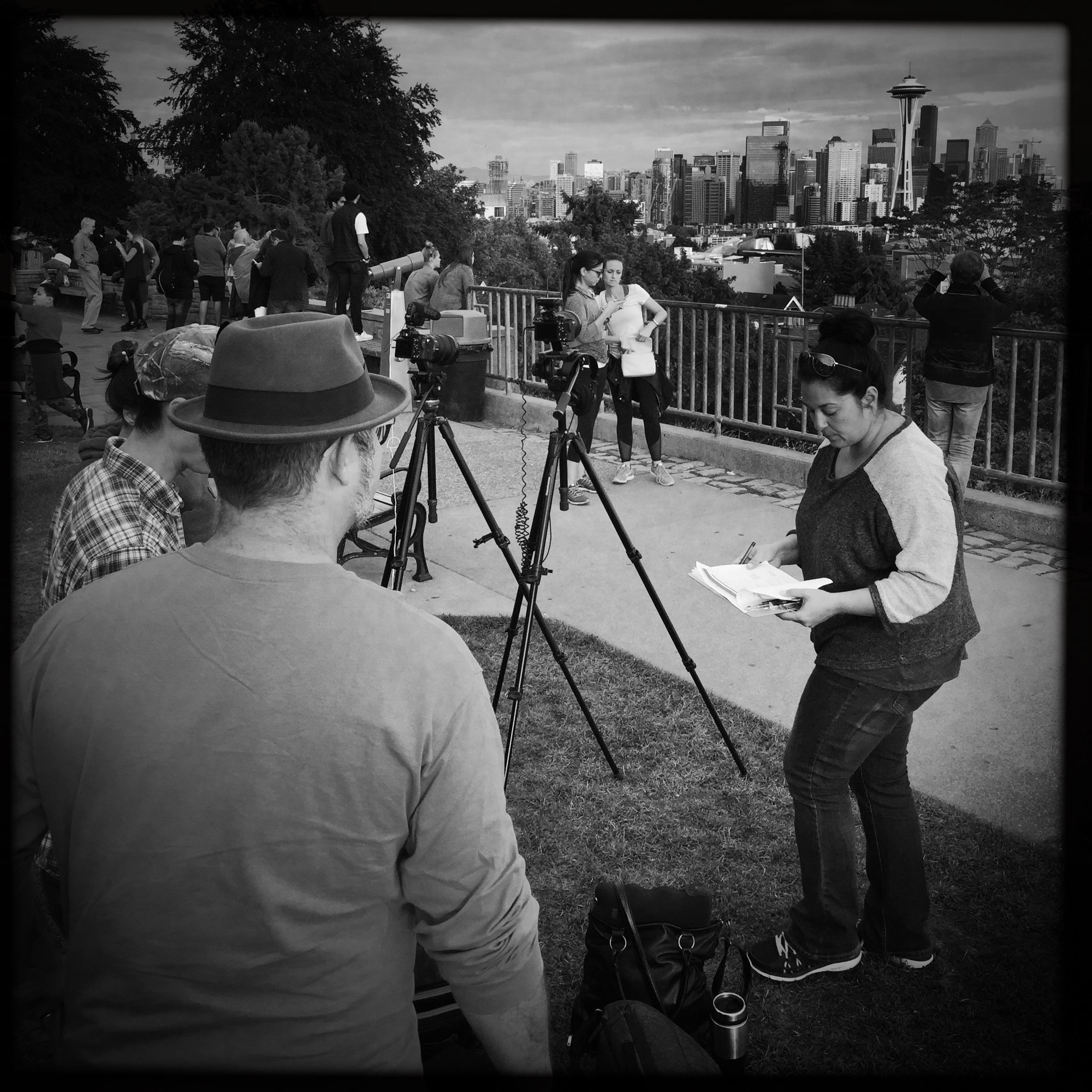
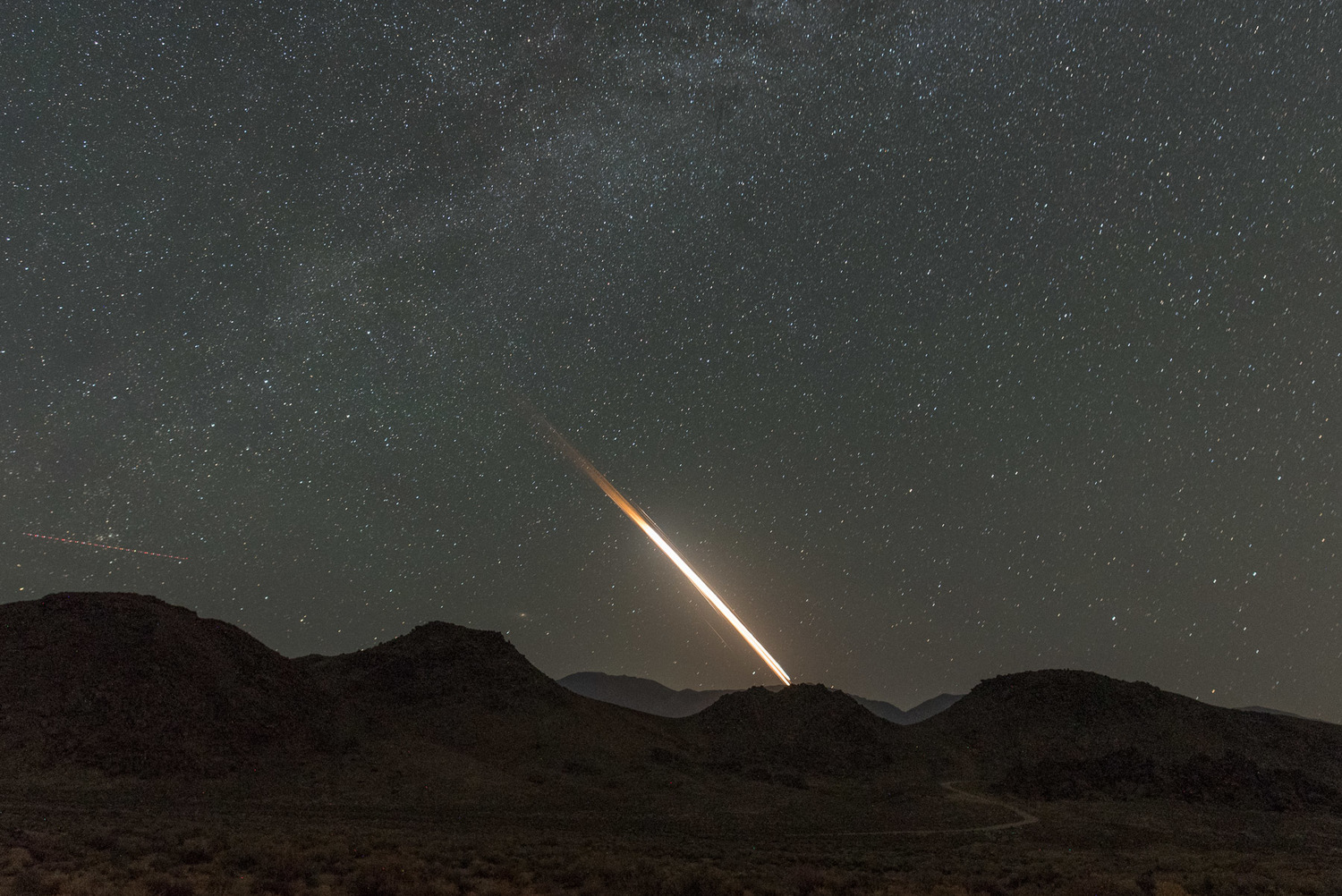
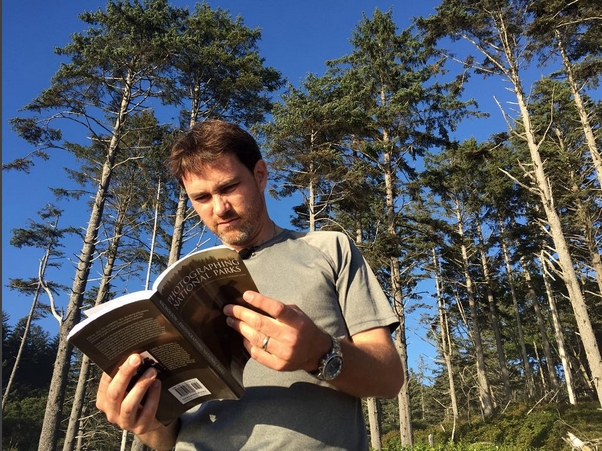
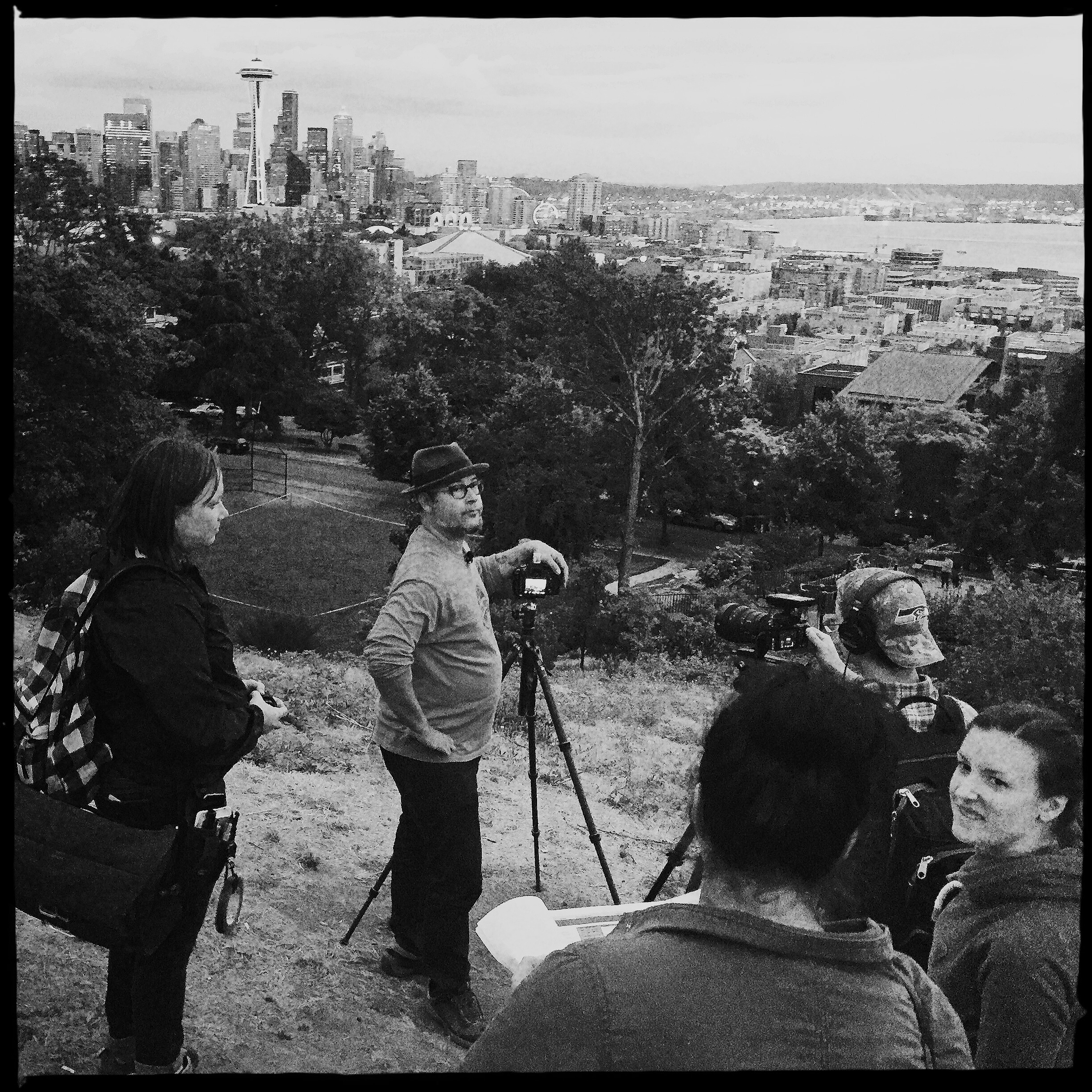
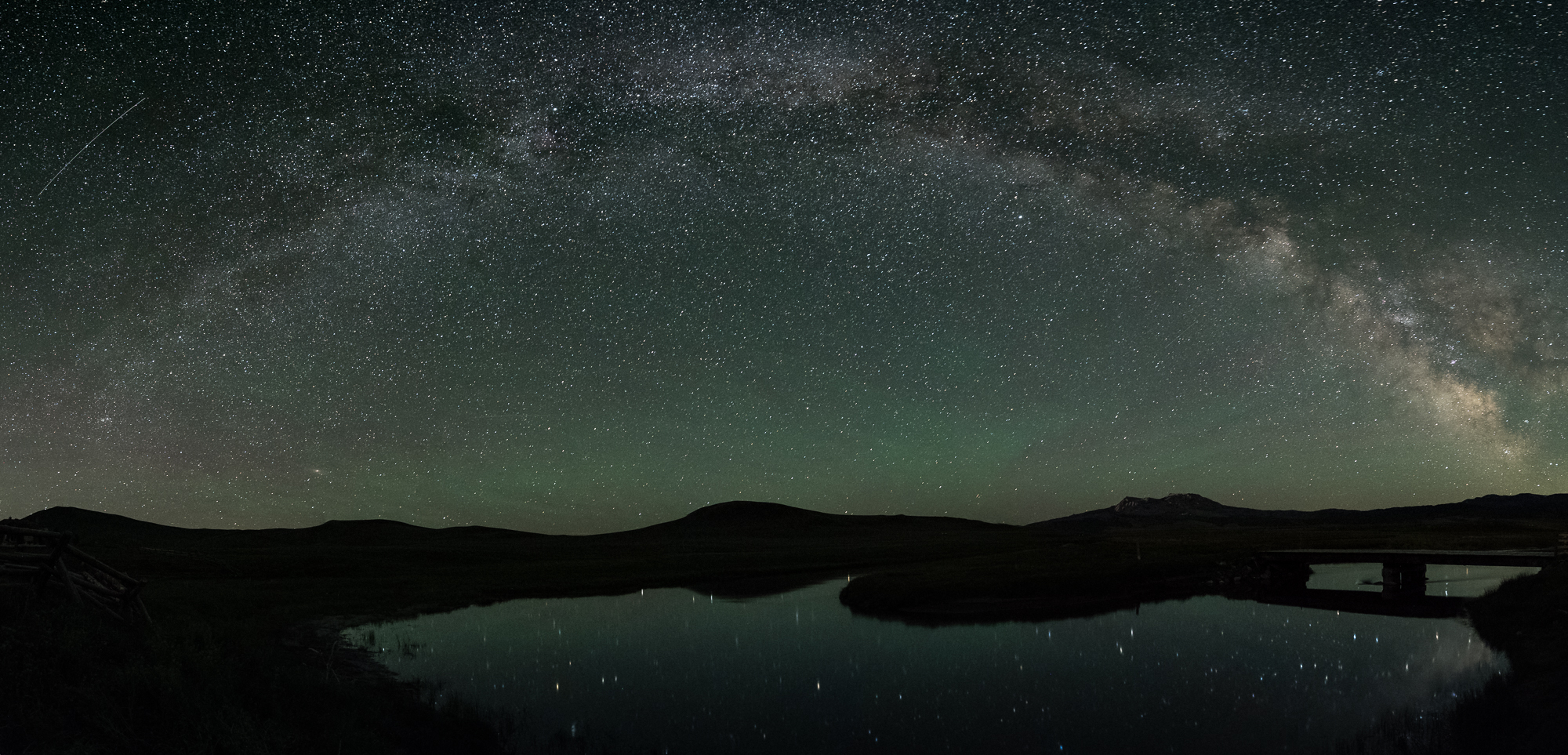
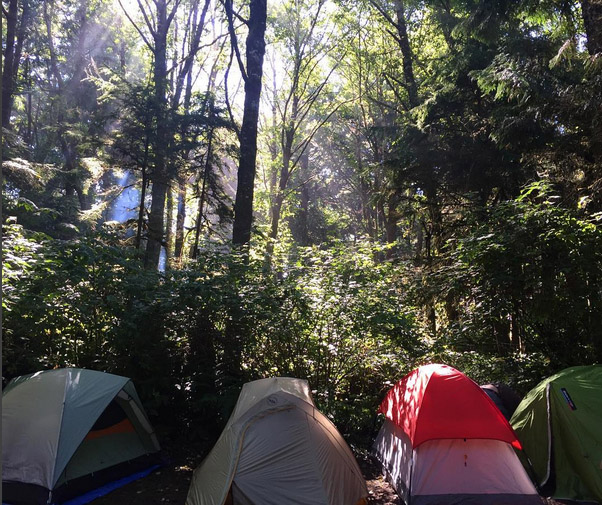
We had a lot of fun during the project as well, including a rooftop night portrait shoot with a great view of the Space Needle, camping at the coast of Olympic National Park during the Perseid meteor shower, and catching sight of an amazing fireball streaming across the skies of the Eastern Sierra.

What's next?

Now that our CreativeLive course is grown up and living its own life, we're not just sitting back and watching. We're ready to get back into the field with our fall workshops in Death Valley and Arches national parks, and with our 2017 itinerary that we announced last week.

If you haven't signed up for our Night Photography CreativeLive course yet, we encourage you to join the over 51,000 photographers who already have.

The course features:

  • 82 segments that total nearly 18 hours of instruction and discussion.
  • Bonus materials that include information on camera and light-painting gear, lists of apps to help with location scouting and night photography, and articles about topics such as camera settings and the 400 Rule.
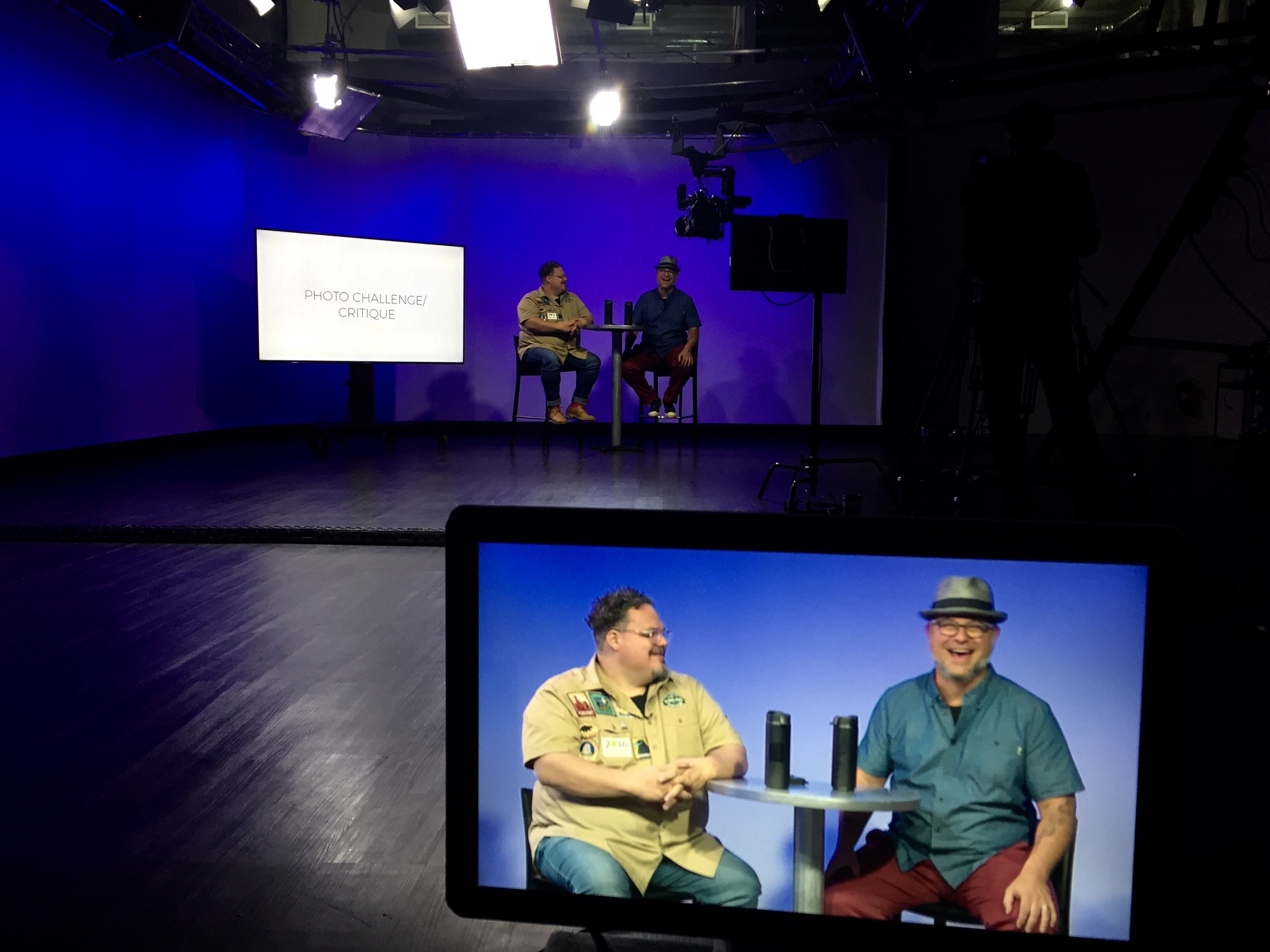
  • And a photo challenge that will be wrapped up with a live-streamed critique on CreativeLive on October 25! Send your very best night-photography images to www.creativelive.com/courses/night-photography-critique for a chance to receive feedback in this free live broadcast.

If you have any questions or feedback about the course, we'd love to hear from you, either in the Comments section below, via email or on our Facebook page.
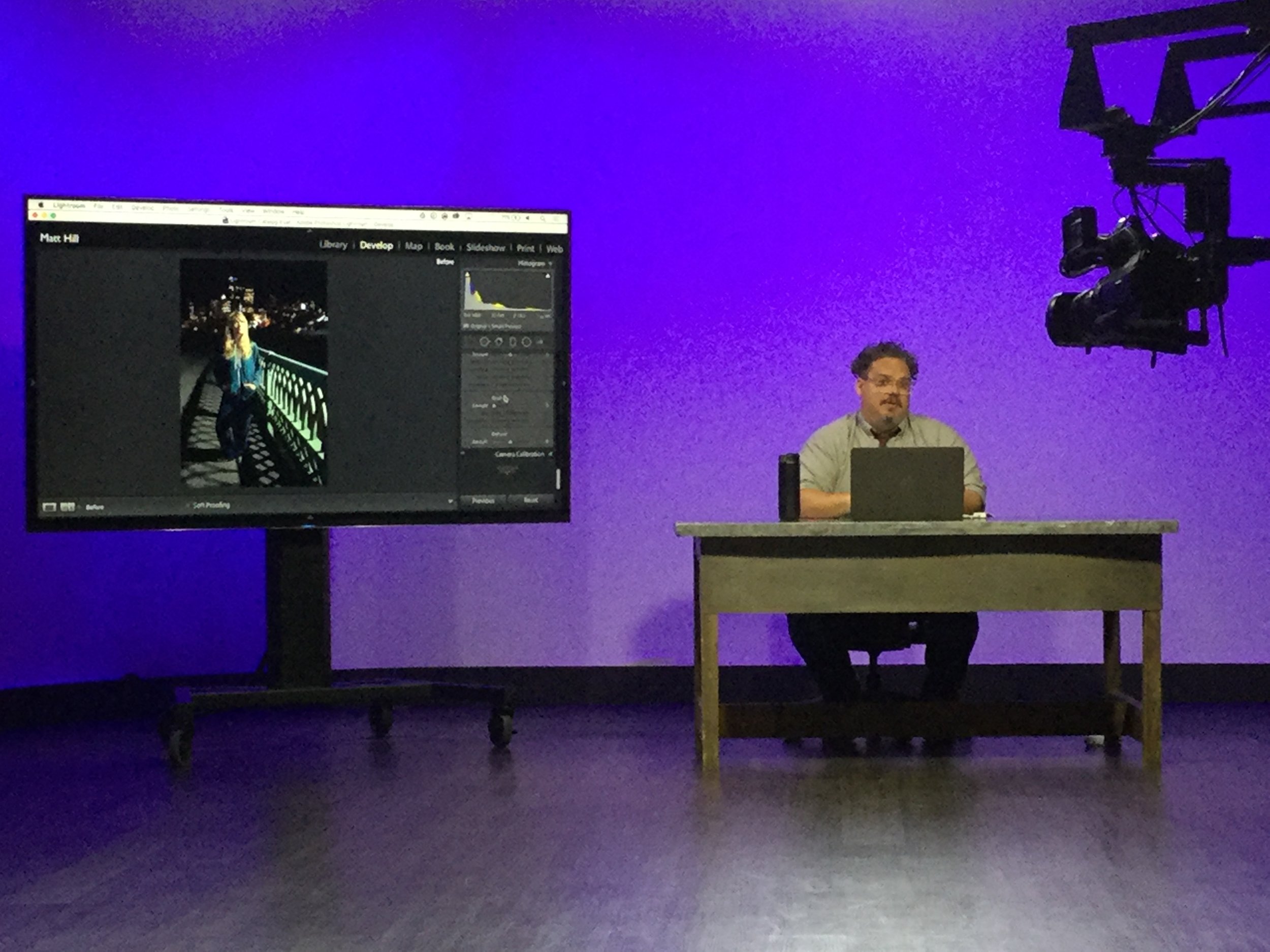
Once again, thank you for all of your collective support, and for your mutual interest in this dynamic niche of photography. Seize the night!

Chris Nicholson is the author of Photographing National Parks (Sidelight Books, 2015). Learn more about national parks as photography destinations, subscribe to Chris' free e-newsletter, and more at www.PhotographingNationalParks.com.

UPCOMING WORKSHOPS FROM NATIONAL PARKS AT NIGHT

Our 2017 Workshops: Introducing the Passport Series and Adventure Series

We are very excited to bring this news to you, as it's been in the works for months: We are, here and now, announcing our 2017 workshop season! And not only are we announcing new workshops, we are also announcing an entire new series of them.

As we dreamed our way into 2017, we all agreed that our vision for National Parks at Night was evolving with our passionate family of attendees, and we all felt we were ready to offer some new opportunities. So we will forthwith offer two sets of workshops: our Passport Series and our Adventure Series. 

Passport Series

Our Passport Series workshops are what our lucky first-year attendees have enjoyed so far: a deep dive into the night skies of a national park, plus location scouting tutorials, lectures and image critiques. Plus a whole lot of camaraderie!

Here are the 2017 Passport Series Workshops:

Adventure Series

Entirely new for this year will be our Adventure Series Workshops, which are forays into national monuments, private lands near national parks, and more to be announced! These workshops will generally be shorter in duration than our Passport Series, and we will spend less time in the classroom and more time in the field having adventures!

We will be announcing the complete Adventure Series this fall (including one in a [hint, hint] very new National Park Service unit). But to whet your appetite, we are making two early announcements for workshops you can register for now.

2017 Adventure Series Workshops:

Here is a sample of the places you can go with us in 2017:

We are very eager to see you in the dark in 2017! Don't miss your chance to join usβ€”register today!

WORKSHOPS CALENDAR
 
See more about Matt's photography, art, workshops and writing at MattHillArt.com. Follow Matt on Twitter Instagram Facebook.

UPCOMING WORKSHOPS FROM NATIONAL PARKS AT NIGHT

A Giant Sleeps Tonight: The Night Photography World Loses a Pioneer

On August 19, the night photography community lost one of its true greats. Steve Harper was a pioneer of night photography and light painting, and taught what is thought to be the first college-level course on the subject at the Academy of Art College in San Francisco.

Despite slowly losing his sight over the last ten years, and battling cancer for the last two, Steve never stopped photographing and never gave in to his illness. I was fortunate enough to spend some time with him last January, and we talked extensively about his work and how he came to night photography.

"Selfβ€”Keif’s Blanket," Sutro Bath ruins, San Francisco, 1979. This was one of Steve’s personal favorites. He held his dog’s blanket over his head in the whipping wind coming off of the Pacific and marveled at how everything in the image was made of …

"Selfβ€”Keif’s Blanket," Sutro Bath ruins, San Francisco, 1979. This was one of Steve’s personal favorites. He held his dog’s blanket over his head in the whipping wind coming off of the Pacific and marveled at how everything in the image was made of the same stuffβ€”the ocean, the air, the blanket, and the ghost image of Steve himself merged together, and as he said, the image β€œshows the universality of all things.”

For those who are unfamiliar with Steve and his work, he was one of a number of Bay Area photographers responsible for the explosion of interest in night photography in the 1970s, along with Richard Misrach, Arthur Ollman, Paul Radeke, Jerry Burchard, Hank Wessel and Steve Fitch.

Harper felt that it was important to study and learn about what other photographers had done before us. He diligently researched the history of night photography, in an era when information was much harder to come by. He taught his students about Stieglitz’s early forays into night photography at the dawn of the 20th century, along with the work of Brassai, Bill Brandt and O.Winston Link.

He also made sure to share the work and story of Jessie Tarbox Beals, a woman whose life paralleled Stieglitz’s in many regards, but who was far less fortunate and privileged. In a field with so few women, he made sure to highlight her contributions to the genre.

Over many years, Steve worked to devise exposure guidelines for different types of film, and modified black and white film development to deal with reciprocity failure and extreme scene contrast. He also experimented with different color transparency films, and color-correcting gels to better control the odd colors from the panoply of light sources in the industrial areas where we worked and took his classes. Steve was a master Cibachrome printer, and often made prints for his students.

Although Steve’s work was included in a ground-breaking exhibit of night photography at San Francisco’s Focus Gallery in 1979, and he created many iconic night images of California, he will be best remembered as a teacher and mentor. It is not an exaggeration to say that Steve Harper is single-handedly responsible for inspiring an entire generation of night photographers (myself included), who have in turn taken the torch from him and are now teaching a new generation of night photographers.

"1,2,3,4,5,9,7," Sutro Bath ruins, San Francisco, 1982. Another image from the Sutro Bath ruins near Ocean Beach in San Francisco. This was one of Steve’s favorite locations to photograph, and a place that he made sure every class visited, despite t…

"1,2,3,4,5,9,7," Sutro Bath ruins, San Francisco, 1982. Another image from the Sutro Bath ruins near Ocean Beach in San Francisco. This was one of Steve’s favorite locations to photograph, and a place that he made sure every class visited, despite the often terrible weather. This image was made with light painting from one of his students, Kyoshi Sato.

Steve had a natural gift for teaching. His critiques were honest, straightforward and insightful. His lectures were never boring, and in the field he encouraged collaboration, camaraderie and community rather than competition. Many of his own images were made in collaboration with his students, whom he considered friends.

I was fortunate to be among the students in last few classes Steve taught before retiring in 1990. In 1988, after exhausting all of the photography courses I could find in Baltimore, one of my teachers suggested that I consider Brooks Institute in Santa Barbara (which has sadly just shuttered its doors). I ordered a catalog, but was disappointed that they did not offer a class in night photography, so I began to look elsewhere. Eventually I came across Steve’s class at the Academy of Art College, and my course was set. I moved to San Francisco and enrolled at AAC, where I took Steve’s class for three semesters in a row.

Steve took his summer classes in night and figure photography on camping trips to the Eastern Sierra, where he introduced me and many of his other students to Mono Lake and Yosemite National Park. High on Tioga Pass, a granite boulder balances precariously on a hillside above Olmsted Point that is the subject of one of his most famous photographs.

That boulder has come to be known as Steve’s Rock to legions of night photographers.  It now stands as a memorial to Steve and his work. If you happen to be passing over Tioga Pass, stop at Olmsted point, and look up the hill from the parking area. You can’t miss it.

"Steve’s Rock," Tioga Pass, Yosemite National Park, 1981. Perhaps Steve’s most iconic image, this granite boulder has forever become known as Steve’s Rock, and it has even become a pilgrimage of sorts for night photographers who travel to Yosemite.

"Steve’s Rock," Tioga Pass, Yosemite National Park, 1981. Perhaps Steve’s most iconic image, this granite boulder has forever become known as Steve’s Rock, and it has even become a pilgrimage of sorts for night photographers who travel to Yosemite.

I was also part of the last summer class that Steve took to the Eastern Sierra, and memories of that trip stayed with me over the years.

Eventually, I began to teach my own workshops there, and have done so every year since 2003. I know that Steve was proud to have inspired photographers such as Tom Paiva, Tim Baskerville and myself to take up his calling, and we all feel fortunate to have known and studied with him. Steve’s teaching and mentoring left an indelible mark on the lives of so many of his students, and he will be sorely missed.

Tim Baskerville is organizing an exhibit of Steve’s work and that of some of his students at Rayko Photo Center in San Francisco, to be scheduled sometime next year. I’ll post about it in this space when the show is announced, and hope to see you there.

"Self Asleep," 4.5 hours, 1984. Good night, Steve. You will be missed, but not forgotten.

"Self Asleep," 4.5 hours, 1984. Good night, Steve. You will be missed, but not forgotten.

 
Lance Keimig has been photographing at night for 30 years, and is the author of Night Photography and Light Painting: Finding Your Way in the Dark (Focal Press, 2015). Learn more about his images and workshops at www.thenightskye.com.

UPCOMING WORKSHOPS FROM NATIONAL PARKS AT NIGHT

Park Ranger and Photographer Jacob W. Frank Takes On The Night

If you’re any kind of national park fan, you have almost certainly seen the work of Jacob W. Frank. It is ubiquitousβ€”and excellent.

Part of Jacob’s not-so-secret approach is that he has one of the best tools a photographer can possess: constant access. His intimate knowledge of his subject comes from having what many of us would consider a dream jobβ€”he’s a photographer who works as a park ranger, currently at Montana's Glacier National Park.

Moreover, some of Jacob’s best-known photos were shot at night, including a superb series of work he created under the pristine skies of Arches National Park and other red-rock hot spots on the Colorado Plateau. Perhaps his most famous image is of Delicate Arch being lit by a headlamp under a stunning Milky Way sky, a photograph that exquisitely portrays the night experience of the western national parks.

Delicate Arch, Arches National Park. NPS Photo by Jacob W. Frank.

Delicate Arch, Arches National Park. NPS Photo by Jacob W. Frank.

Jacob's photo work spans many gems of the park system, including Yellowstone, Yosemite, Grand Canyon, Bryce Canyon, Canyonlands, Death Valley, Carlsbad Caverns, Hawaii Volcanoes, Olympic, Kenai Fjords, Mesa Verde, Saguaro, Rocky Mountain, Black Canyon of the Gunnison ... and the list goes on, and on, and on.... Some of this work has been exhibited, most notably in the Smithsonian.

I spoke recently with Jacob about how he got his amazing job, his favorite photography gear, and his thoughts about doing night photography in our national parks.


Chris: How did you become a national park photographer?

Jacob: In college I got an internship at Grand Teton National Park. My mom was into photography, and she said, β€œIf you’re going to live and work in a national park, you should probably have a camera to take pictures.”

I would get lots of visitor questions: β€œWhat is this thing that we’re looking at?β€β€”β€œWhat is that bird?β€β€”β€œWhat mountain is that?” I didn’t have any idea, so I would take a picture, figure out the answers and e-mail peopleβ€”and that’s how I learned and what got me interested in nature.

Then after a while, I was thinking things like, β€œOh, I already have a picture of that bird but I want to try to get a better one.” Once I started knowing what things were, I didn’t need to take pictures to figure them out, but rather I found myself trying to get better photos.

Now I really enjoy photography. It pushes me to go out sometimes when I wouldn’t otherwise. I’m not about hiking just for the fun of hikingβ€”hiking is what you have to do to get good photos or to get to the top of the mountain. I just really love capturing photos. There’s an intrinsic value for me of just getting really good photos, and then it just happens to be that other people enjoy the work that I do.

Chris: What cameras do you use?

Jacob: I have a Canon 5D Mark III, which is pretty much my main camera now. I just recently got rid of a 7D that I had been using for wildlife photography.

Chris: What’s your favorite piece of non-camera photography gear?

Jacob: My Peak Design camera clip for my backpack has been a game-changer. Backpacking, hiking and climbing with a camera can be challenging. You want to have your camera accessible but putting a strap over your shoulder or neck isn’t comfortable or secure. Their Capture clip solved that problem. I find myself taking more photos and capturing better photos because I always have my camera at the ready.

Owachomo Bridge, Natural Bridges National Monument. NPS Photo by Jacob W. Frank.

Owachomo Bridge, Natural Bridges National Monument. NPS Photo by Jacob W. Frank.

Chris: What’s your favorite lens for night photography?

Jacob: I’ve used a variety of them. Right now I have the Rokinon 14mm f/2.8, and I mainly use that. Probably down the road I’ll get the 24mm f/1.4. I’ve used that one also and I really like it.

Also, I had the Canon 16-35mm f/2.8, and the Sigma 20mm f/1.4. I’ve gotten great photos from all of them, but when you’re doing night photography, I find my lens setup changes based on what park I’m in.

For some parks you need just a superwide angle, and don’t really need a lot of zoom. For example, in Glacier the 16-35mm was too wide for most times, unless you were on top of a mountain. Often I felt like I wanted a little bit more reach, so now I shoot with the 24-105mm a lot. But that’s not fast enough for night photography, so I sold my 16-35mm and got the Rokinon.

I try to not have specialty lenses, like a one-trick pony, but I really like that Rokinon for night photography, and the 14mm is super sharp.

Chris: What is it about a park that changes the type of lenses you’re using?

Jacob: In some parks, you’re really in the park. For instance, when you’re in Arches National Park, you’re in tight spotsβ€”you’re either inside an arch or the arch is really close to you. You’re maneuvering through a squeeze or you’re hiking on some sort of a slick rock. Whatever it is, you’re in the resource and the landscape almost becomes the foreground because you’re so close to itβ€”you’re in it. So having a superwide angle is really helpful.

Turret Arch, Arches National Park. NPS Photo by Jacob W. Frank.

Turret Arch, Arches National Park. NPS Photo by Jacob W. Frank.

On the other hand, when you’re in a big mountain park, with huge mountains far away, you can be on the mountains but there’s still a lot to see for a long distance. Having too wide of an angle diminishes the grandeur of where you are; it doesn’t portray how big and how vast everything is. You can still get those shotsβ€”I still use a superwide angleβ€”but a lot of times you need to zoom in and capture the detail of how big a park is. Telephoto is also good for when you’re hiking around on the trails, for having the ability to zoom in and add a person to give the photo some scale.

I decided to switch from the 16-36mm to the 24-105mm after I did a detail to Alaska last summer. I went to Wrangell St. Elias National Park, and that is the ultimate park of grandeur. Everything was so big and I found myself wanting to zoom in on details, but was unable to without having to have carry separate setup.

I really like the style and the ability to zoom in on particular mountains. I’ve been doing a portrait series of mountains this summer during sunrise or sunset. There are a lot of cool peaks that you can focus on using the 100mm and 150mm range. I’ve been calling it a β€œMountain Portrait Project”—just taking lots of cool pictures of individual mountains in the portrait orientation. It’s been fun and people seem to like it.
Chris: Do you have a favorite night photography technique?

Jacob: I got into night photography because of the aurora in Alaska. When I lived up there I shot a ton of aurora. It’s the coolest natural phenomenon there is, no matter how many times you see it.

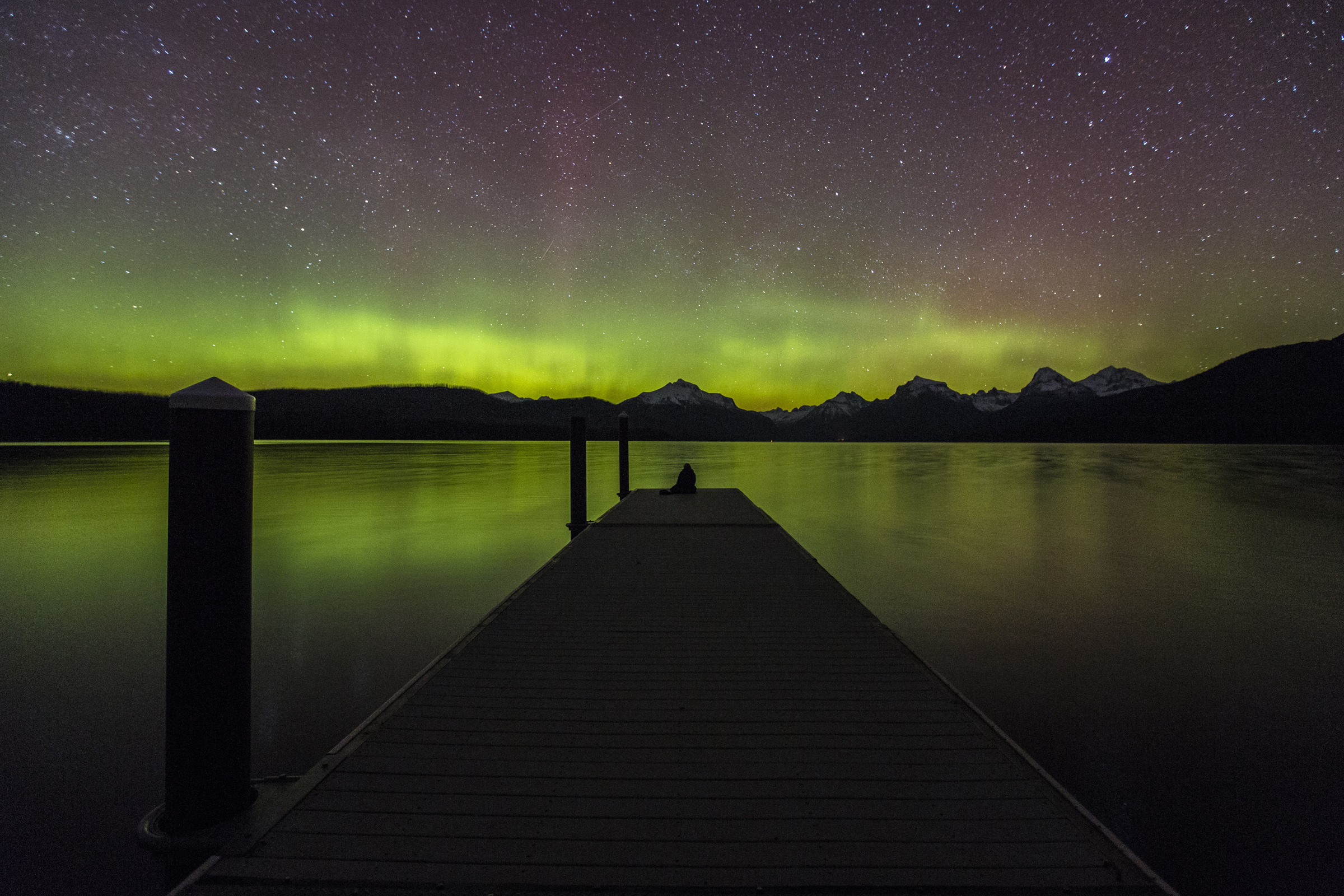
Aurora Borealis at Glacier National Park. NPS Photo by Jacob W. Frank.

Aurora Borealis at Glacier National Park. NPS Photo by Jacob W. Frank.

The Milky Way is cool because you can see it with your eyes, and you can take a picture of it. You can do time lapses because it’s moving. But when you’re looking at the aurora, it makes me laugh out loud because it’s so amazing. People always ask me, β€œI heard that the aurora makes noise if it’s a really good storm.” And I have to say, β€œMaybe, but I don’t know because I’m too busy laughing the entire time.”

I got into Milky Way photography because of how much fun I had at night shooting the aurora. When I came down to the Lower 48, I moved to the Colorado Plateau, which is known for its night sky. I already knew how to shoot night stuff from Alaska, so it was a natural progression to start shooting the Milky Way.

I do like shooting the Milky Way, but a lot of it requires good camera technique. The majority of what people see nowadays aren’t even single imagesβ€”they’re blended multiple images. Your average everyday person can’t take a photo like that without studying and really upping their post-processing skills.
Good aurora photos require the same technique, but the average everyday person can point their camera, push a button, the aurora is going to pop out and they are going to be amazed with it.

Chris: What are your favorite national parks for night photography?

Jacob: Alaska parks for aurora, but aurora works only in the spring, fall and winter. In the summertime, the sky doesn’t get dark enough.

Aurora, Denali National Park. NPS Photo by Jacob W. Frank.

Aurora, Denali National Park. NPS Photo by Jacob W. Frank.

For dark sky parks for shooting the Milky Way, I’ve had a blast shooting in Arches, and I’ve had a blast shooting in Capitol Reef National Park and in Natural Bridges National Monument. Hovenweep National Monument and Dinosaur National Monument have really dark skies, as does Great Sand Dunes National Park. I actually I saw northern lights when I was in Great Sand Dunes. They have really cool dark night skies.

Chris: You saw northern lights that far south?

Jacob: In May 2013 we went out to shoot the Milky Way in the dunes at midnight. I was going to stack an image of the stars rotating over the Sangre de Cristo Mountains, so I was looking north. I had taken my first exposure and there was something like sky glow in the frame. I thought, β€œWhat happened to this being a dark sky park?”

Then I’m looking at the image and I said, β€œWait a second, those mountains are 14,000 feet tall and I don’t think there’s anything north of them nearby."

I thought that was kind of weird, so I started time-lapsing and I noticed that the sky glow started moving and started getting pillars in it. I realized, β€œOh, this is northern lights!” When we went back to the car, we got cell service and looked it up on Spaceweather.comβ€”and it was a geomagnetic storm of like 7! So we were getting the southern end of the aurora storm.

Chris: What’s next for you? Are you working on any other specific projects?

Jacob: I had two photos in the Smithsonian’s β€œWilderness Forever” exhibit that they put on for its 50th anniversary. They just took that exhibit out and are putting up a new one, and I have a couple of photos in there too. Also, my work will be one among the entrance photos for their new exhibit β€œ100 Years of America’s National Park Service: Preserve, Enjoy, Inspire.”

In December, the plan is to go out and speak about the Centennial. Other than that, I’m just working in the park. Then when I’m not working, I’m traveling to other parks, just being outdoors.
Β 

To see more of Jacob's photography, and to read about his adventures photographing the national parks, visit www.jwfrank.com. He is also on Flickr and Instagram.


For more information about the gear mentioned in this post:

Chris Nicholson is the author of Photographing National Parks (Sidelight Books, 2015). Learn more about national parks as photography destinations, subscribe to Chris' free e-newsletter, and more at www.PhotographingNationalParks.com.

UPCOMING WORKSHOPS FROM NATIONAL PARKS AT NIGHT