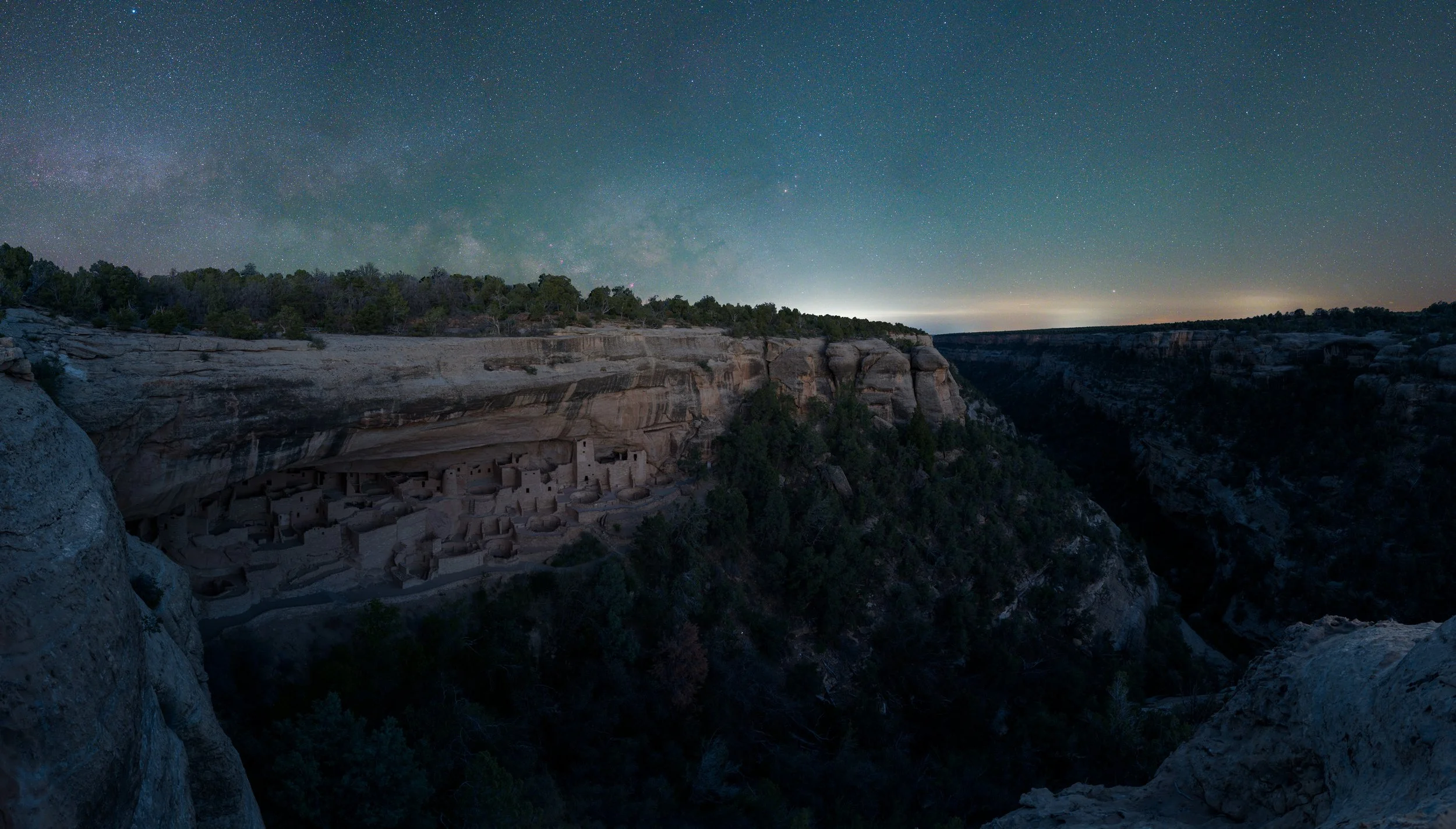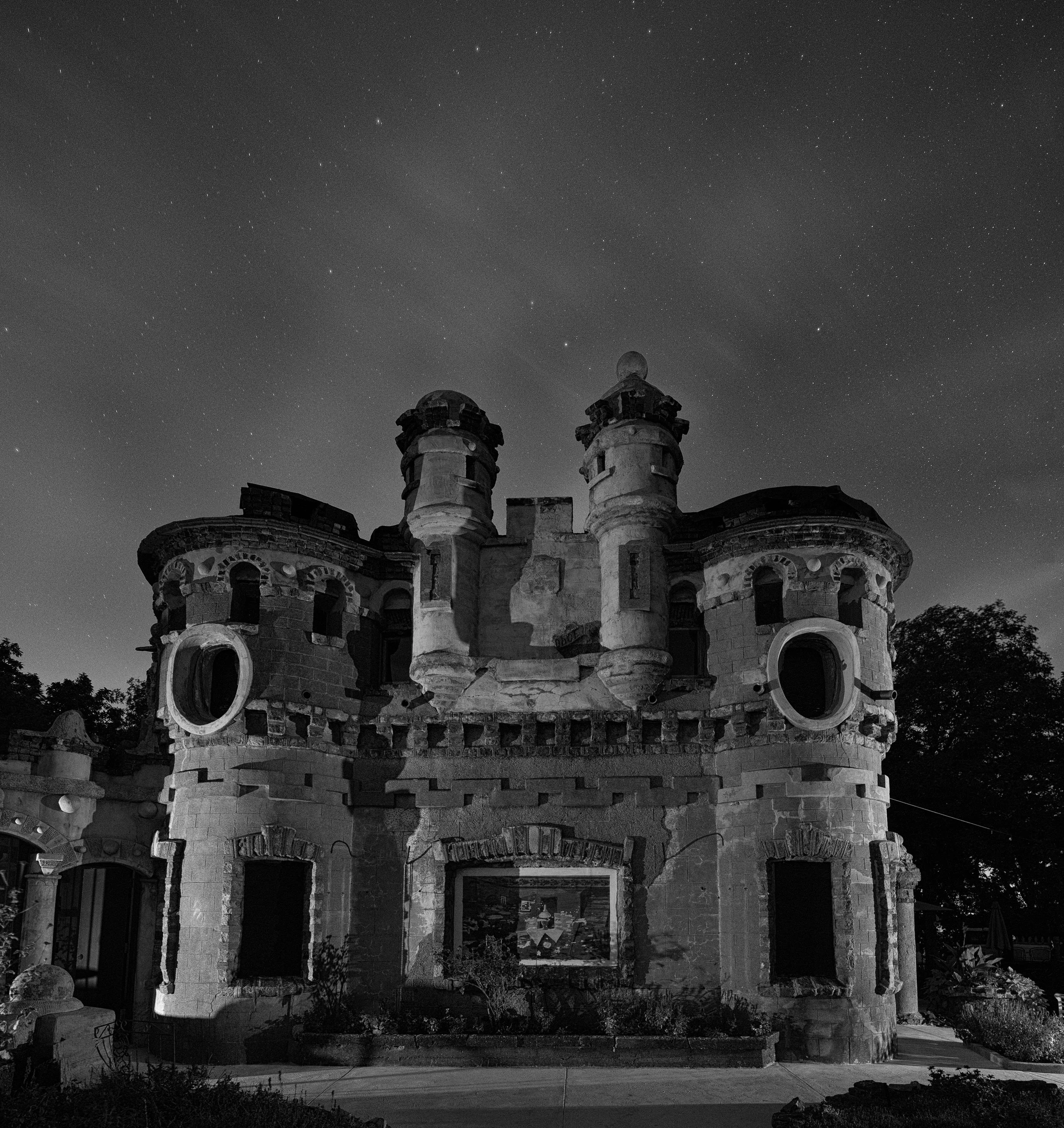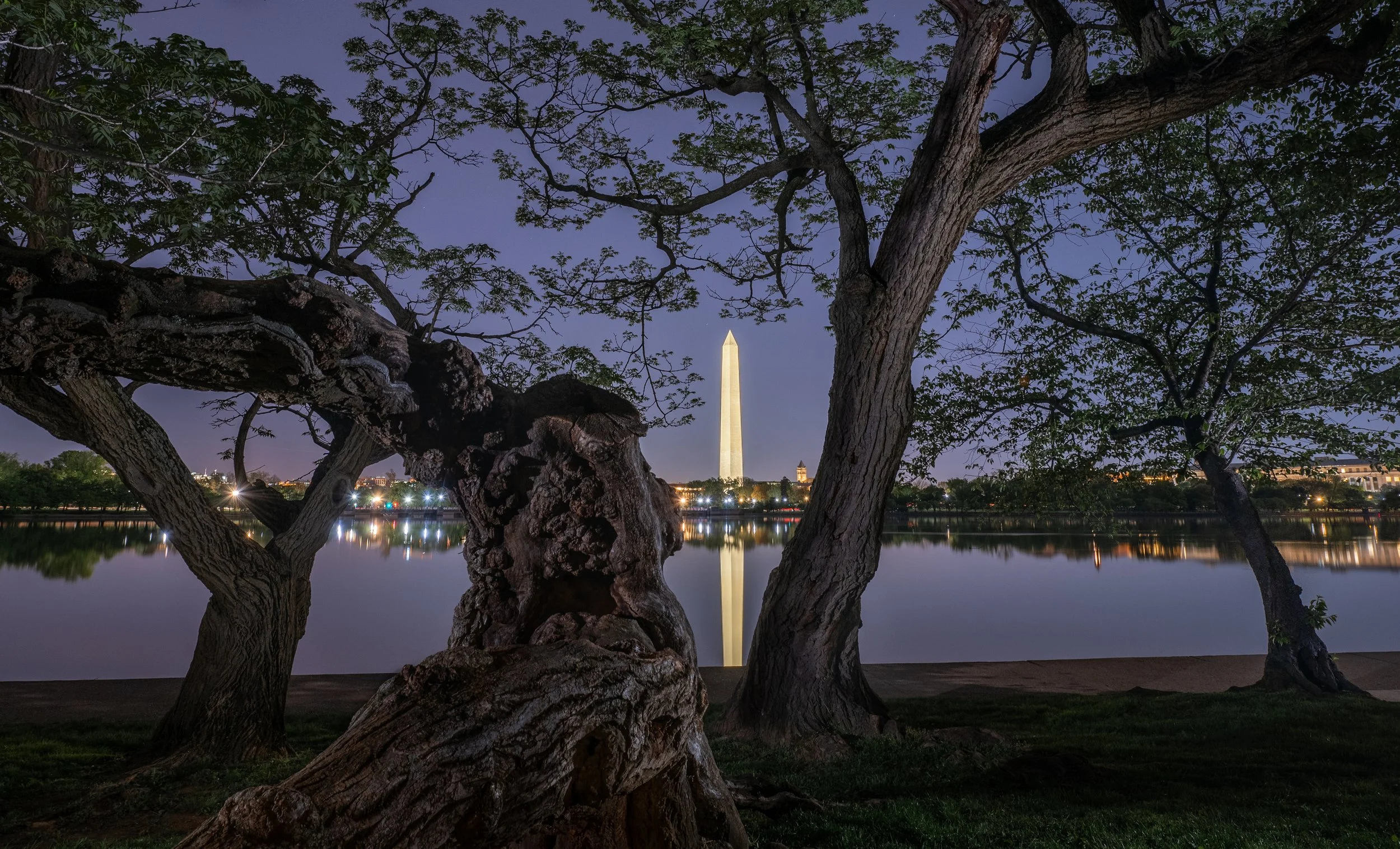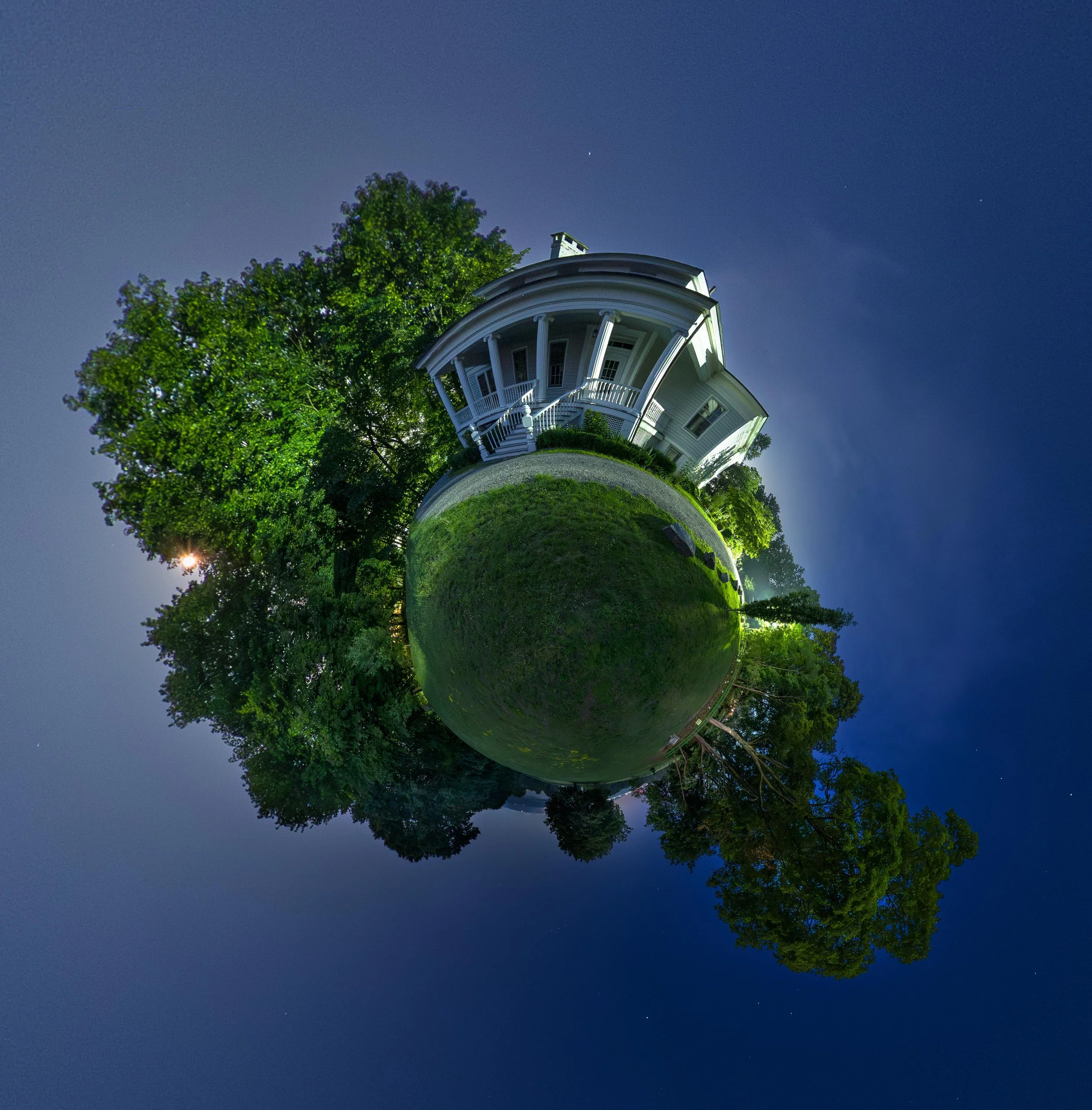
Eight Reasons Night Photographers are Awesome

Time for a little fun. Let's count down what makes night photographers so darn special.

1) You use more of your waking hours for creativity

Unless you are a very productive (and not just a relaxed, like hanging out ... which is also totally awesome) night owl, making photographs at night is a very practical way to use your creative energies. Use those creative energies more and they treat you better. And heck, you're very efficient for maxing out on creativity.

2) You are more observant of the present

Since you are restricted from taking many photos rapidly, you are more likely to slow down and actually SEE what is in front of you. If you brought a buddy or a group, you may strike up a conversation that otherwise may never have happened about things you may never have talked about. And if you are lucky and smart, you will take that time to enjoy the scene in front of you. Chances are, even without light you will see things that you could have been in too much of a hurry to see before.

3) You know that less is more

We don't need 64 GB of memory cards. In fact, we're happy when an extremely productive evening yields up to 50 exposures. That's a metric sh*t-ton of night photography. And since we make less, we value our time and choices more.

4) You get intimate with infinity

We're quite insignificant when compared to the vast infinite reaches of space. Right? Facing this, evening after evening, we have time to consider our meaning on this earth. Perhaps we make better choices after seeing marvelous things that the huge majority of the world sleeps through. Or perhaps we keep this as our little secret with ourselves and smile knowingly when others ask us why we do that "night photography" stuff.

5) You seek complexity

Let's just agree that night photography is not for someone who likes to phone it in. It's full of details. It's done in the dark. You have to do math. You have to use a tripod (do I have to carry that?). But nonetheless, you persevere. Which leads us to ...

6) You are tenacious

If you're lucky, the weather may comply with your sincere wishes. Otherwise, you're left holding the proverbial bag and have to troubleshoot your way to great looking photosβ€”or pack up and go home. Which we never do, right? We go out with an attitude that we can overcome whatever mother nature throws at us and make at least one "banger"β€”maybe three!

7) You are patient

Kinda goes without saying, eh?

8) You are good looking

Everyone looks great at night! Especially me.

OK, so some of these are obviously tongue-in-cheek. But we night photographers tend to have a lot of fun doing what we do. Otherwise, why do it? Thank you for being you.

#seizethenight !
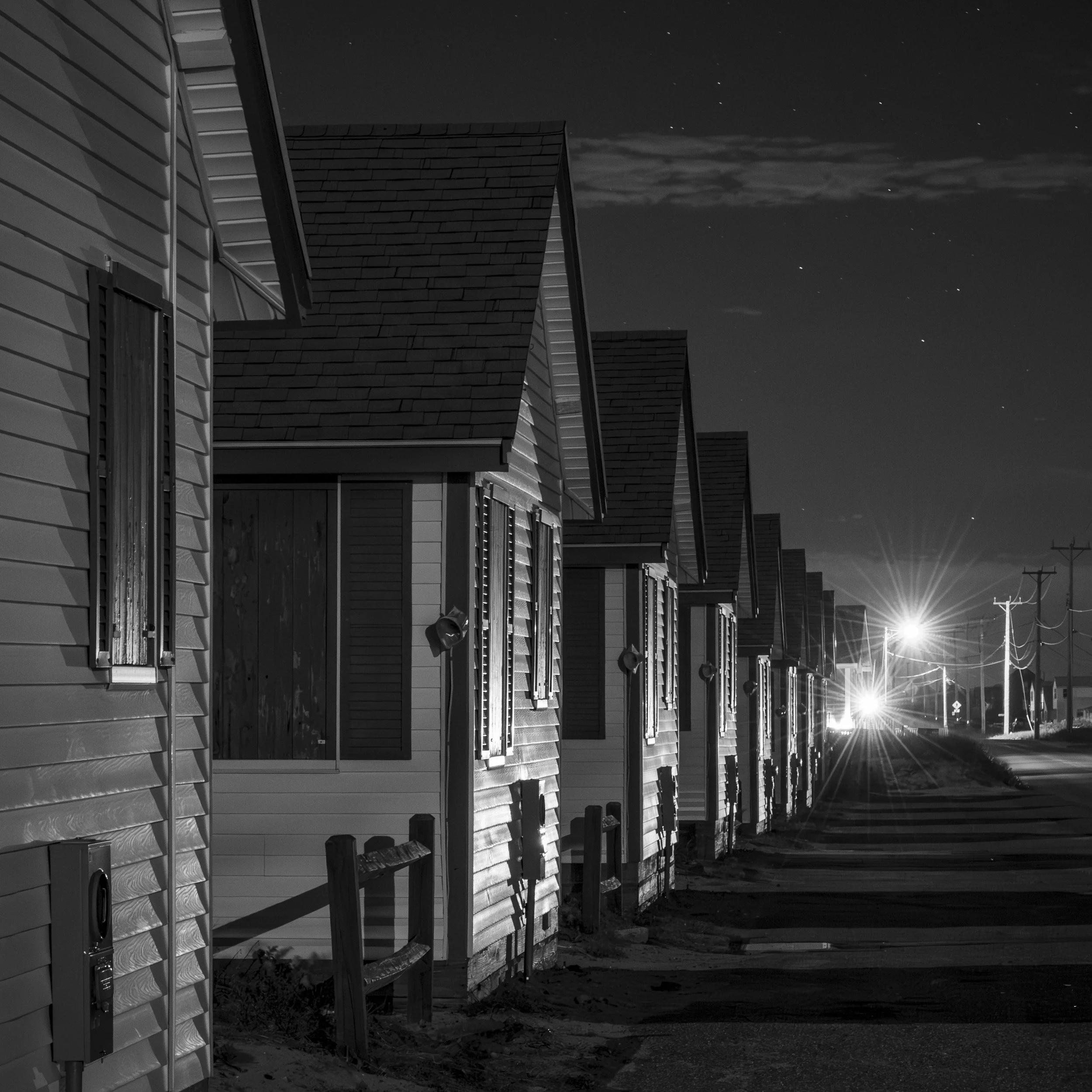
See more about Matt's photography, art, workshops and writing at MattHillArt.com. Follow Matt on Twitter Instagram Facebook.

Upcoming workshops from National Parks at Night

International Dark Sky Week Highlights A Precious Commodity

Last week was International Dark Sky Week. Did you get out and enjoy the stars?

I did. In fact, I even got to enjoy a night in South Carolina’s Congaree National Park. Congaree is only half an hour outside the state capital of Columbia, but getting even just that far away from a city can make a big difference in how we see the night sky. In fact, it makes all the difference in the world.

And getting even further away? That can make all the difference in the universe.

Congaree National Park, Β© 2016 Chris Nicholson

Congaree National Park, Β© 2016 Chris Nicholson

I grew up in southern Connecticut, part of the New York City Metropolitan Area. We weren’t in the city, but kind of in night-sky limboβ€”far enough away from NYC to see a decent sky, but not far enough to see the best. So in my nightly experience, I knew the sky had stars, but not quite how many.

I also did a lot of camping as a kidβ€”with my dad, with my family, with Boy Scouts. We even did some camping in the national parks, especially in Great Smoky Mountains. I’m sure during those experiences I looked up at night, but the first time I vividly remember β€œseeing” how magnificent a starry sky truly can be, the first time I had that "supernova" moment, was in upstate New York on August 7, 1993. On a night stroll, I came to a clearing in the trees, gazed skyward and had this profound realization that I could seeβ€”actually seeβ€”the Milky Way.

I once heard astrophysicist Neil deGrasse Tyson tell a similarly themed story about when he was a kid, growing up in the Bronx, very near the bright lights of Manhattan, thinking that there were only a handful of stars in the sky. When he learned how many were really there, that’s when his love of the universe began to dawn.

You could probably get any astronomer to relay such an experience, but another that I find particularly interesting is Tyler Nordgren, who we interviewed for the NPAN blog back in February. (See β€œAstronomer Tyler Nordgren Discusses Night Skies of the National Parks.”)

I’ve been reading Tyler’s book Stars Above, Earth Below: A Guide to Astronomy in the National Parks. In the introduction he writes about how the parks are famed for preserving wild animals, beautiful landscapes, grand forests, amazing rock formations, and so on. But another preserved feature that many people don’t think about in those terms is the night sky.

And it’s absolutely true. So much of the civilized world is so lit up that in most inhabited places we can’t see the sky the way that our ancestors did for 200,000 years. But in many national parks, we can. Those dark skies are there for us, preserved very close to their natural, dazzling, awe-inspiring state.

As I mentioned before, Congaree has some wonderful night skies. So does Olympic, Everglades, Grand Teton, Yellowstone, Great Smoky Mountains, Joshua Tree. … The list goes on and on, perhaps right to 59 parks long.

Death Valley National Park, Β© 2016 Chris Nicholson

Death Valley National Park, Β© 2016 Chris Nicholson

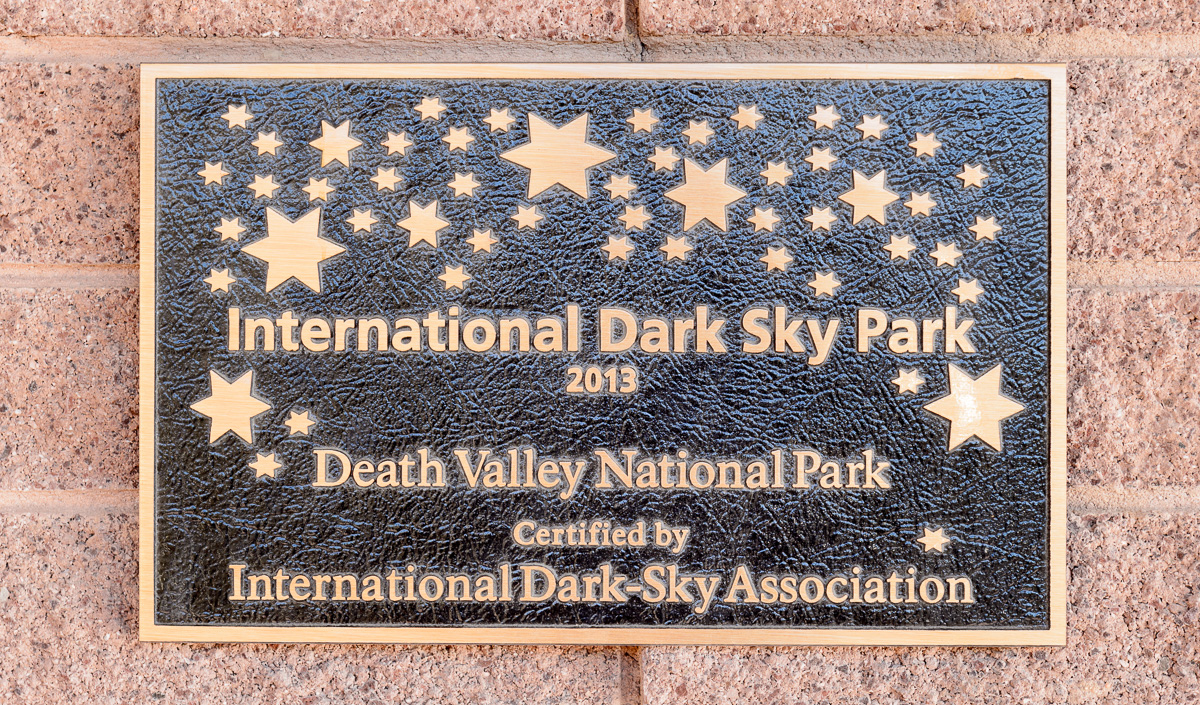
Moreover, Death Valley, Big Bend and Capitol Reef are designated as Gold Tier dark sky parks by the International Dark-Sky Association. Additionally, Canyonlands and Black Canyon of the Gunnison are also certified as dark sky parks by the IDA. That’s right, five of the U.S. national parks are considered among the very best in the world at preserving pristine night skies.

With all these great places to see and photograph under the gentle light of the universe, how does anyone sleep at night?

Chris Nicholson is the author of Photographing National Parks (Sidelight Books, 2015). Learn more about national parks as photography destinations, subscribe to Chris' free e-newsletter, and more at www.PhotographingNationalParks.com.

Upcoming workshops from National Parks at Night

Save Time by Using High ISO Testing to Set Up Your Night Shots

When photographing in very dark environments, the camera’s light meter is usually unable to suggest a starting exposure. It can be a tedious exercise of trial and error to determine the best exposure to use.

Waiting 15 or 20 minutes for an exposure to finish, and then an additional 15 or 20 minutes for Long Exposure Noise Reduction, can be very frustrating if the end result is an image that is considerably under- or over-exposed. Waiting that long for an image only to find out that the shot was not properly focused, or that the camera was not level, isn’t any better.

To take some of the guesswork out of calculating long exposures, and to save time in doing so, I developed a simple method for testing exposures at high ISOs.


High ISO testing

The aim of High ISO test exposures is two-fold. The first is to quickly determine the correct exposure in moonlight or other very dark situations. High ISO testing is not very useful in situations where the final exposure will be less than about 2 minutes.

The second purpose is to confirm focus, composition and camera alignment, and to make sure there are no unintended distractions in the frame. Using this procedure will save you a lot of time and will eliminate a lot of frustration in the field.

Testing is performed by raising the ISO 6 stops above your camera’s native ISO. This is because there are six stops of exposure between 1 second and 1 minute, and using this formula allows for a direct translation from testing exposure in seconds to final exposure in minutes. This greatly simplifies exposure calculation, and as a result:

The number of seconds in a High ISO test exposure equals the number of minutes at the native ISO at the same aperture.

For native 100 ISO cameras, the testing ISO is 6400
For native 200 ISO cameras, the testing ISO is 12,800

In moonlight or similar relatively low-contrast situations, using the histogram is the best way to determine exposure. A good starting point in full-moon conditions is 5 seconds, ISO 6400, f/8, or 3 seconds, ISO 12800, f/8. (Choose one depending on your ISOβ€”see above.) This results in a quick exposure for testing composition, focus, etc. When you’re ready for the real shot, that exposure becomes 5 minutes, ISO 100, f/8, or 3 minutes, ISO 200, f/8.

Just outside Big Bend National Park, I used a High ISO test (above) to get the image right with fast exposures, then reduced the ISO and lowered my shutter speed to get the final images (below).

Just outside Big Bend National Park, I used a High ISO test (above) to get the image right with fast exposures, then reduced the ISO and lowered my shutter speed to get the final images (below).

Keep in mind that there is no one correct exposure, but many possibilities that will all yield different results. Use the exposure that best meets your needs based on your intended appearance of the final shot. In a moonlight-only image, a full, right-biased histogram may be best for optimal image quality. If you will be adding light to the shot, a better ambient exposure might be one that is just enough to avoid shadow clipping. In that case, the highlights will be provided by the added light, which will also push the histogram to the right. Simply increase or decrease the exposure until the desired histogram is achieved.

Photographing by the light of the moon and light painting is a lot of fun, and can be a tremendously rewarding endeavor with almost limitless possibilities. Getting the technical aspects of exposure and lighting out of the way quickly and efficiently leaves you with more time and energy to use your creativity to make truly outstanding images.

With practice, these techniques will become second-nature. If you incorporate them into your working methods, you’ll be rewarded with increased productivity, and with a higher success rate with your night photography.

Lance Keimig has been photographing at night for 30 years, and is the author of Night Photography and Light Painting: Finding Your Way in the Dark (Focal Press, 2015). Learn more about his images and workshops at www.thenightskye.com.

Upcoming workshops from National Parks at Night

NPAN + Nikon + B&H + Brooklyn Bridge = Epic Day of Night Photography!

Last Wednesday, National Parks at Night ran our first-ever major event, an epic day in New York City that included five lectures, a panel discussion and a two-hour night-photography walk in one of NYC’s hottest and most intriguing spots for photography.

B&H Photo was an awesome host, providing their great Event Space and handling all the logistics. Nikon sponsored the whole day and night and provided some of their best new gear for participants to use. And Manfrotto was there at night too, providing additional support (figuratively and literally!).

The B&H Event Space full of people interested in seizing the night!

The B&H Event Space full of people interested in seizing the night!

The B&H Event Space hosted the afternoon session, which comprised all of the talking. The house was packed with over 80 people filling the seats and a few dedicated stragglers standing in the back for four hours. We couldn’t have been more happy with the turnoutβ€”we greatly appreciate how many people came to B&H to hear us talk about this topic we love so much, and we were thrilled that so many photographers are interested in this dynamic niche of our industry and artform.

We presented five back-to-back lectures that covered:

  • Essential gear for night photography (Gabriel Biderman)
  • Scouting national park locations for photo shoots (Chris Nicholson)
  • Creating visual distinction in your work (Lance Keimig)
  • Best practices and creative effects of light-painting (Tim Cooper)
  • How to get the most out of a workshop experience (Matt Hill)

Afterward, Deborah Gilbert of the Event Space moderated a half-hour panel discussion about night photography. Both she and the audience had some great questions. We particularly liked getting into the philosophy of why the night-photography niche is so intriguing and so creatively inspiring.

Also, the front of the Event Space was decorated with 20x30 prints of our night images provided by Digital Silver Imaging. We couldn’t have been more happy with how it all lookedβ€”they do fantastic work!

Tim talks light painting with the Event Space crowd.

Tim talks light painting with the Event Space crowd.

Videos of the lectures will be posted on the B&H YouTube channel in the coming weeks. Keep an eye on our website and social media, as well as the Event Space Twitter feedβ€”we’ll be sure to announce as soon as they’re published.

From there, everyone headed to the photo walk in Brooklyn, where we emerged from the subway in a rainfall. Despite the precipitation, more than 60 photographers attended. And their patience paid off. The weather cleared only ten minutes into the program, leaving behind a wet sheen to all the foreground elements of Brooklyn Bridge Park and the Dumbo neighborhood’s waterfront.

We set up five shooting and education stations:

  • Gabe and Chris were positioned at spots looking over the East River at the Brooklyn Bridge and the Manhattan Bridge, respectively, advising on composition and focusing
  • Lance worked with participants on exposure at a calm, rocky shore at the edge of the park
  • Tim helped people with composition and camera settings on a point of land right under the Manhattan Bridge
  • Matt led participants through working with a Pixelstick, a great and fun light tool for night photography
One of the fabulous images we saw created during the evening, showing the shores of the East River with the Manhattan Bridge stretching toward the bright lights of the big city. Β© 2016 Marco Catini, www.catini.net.

One of the fabulous images we saw created during the evening, showing the shores of the East River with the Manhattan Bridge stretching toward the bright lights of the big city. Β© 2016 Marco Catini, www.catini.net.

Nikon’s JC Carey also attended the walk, bringing a caseload of Nikon lenses and bodies for people to borrow and use during the evening, including the amazing Nikon D750. JC was great working with everyone. He's always high-energy, charismatic and knows anything you want to ask him about Nikon gear.

Manfrotto came to the walk too, bringing tripods for participants to use. We’re very grateful to both companies, as they made the experience for everyone even better by providing access to some of the best new gear by two of the industry’s elite brands. So a huge thank you to Nikon and Manfrotto, and of course to B&H. We couldn't have pulled this off without the topnotch support and collaboration from all of you.

Flagged from behind by Matt's Pixelstick is the portion of the photo walk crowd who stayed until the end of the night. Photo Β© 2016 JC Carey.

Flagged from behind by Matt's Pixelstick is the portion of the photo walk crowd who stayed until the end of the night. Photo Β© 2016 JC Carey.

All in all, it was a great day. So many people came up to us to say how much they learned, or how much fun they had. Both of those sentiments are exactly what we were hoping to provide: We want people to learn more about night photography so they have the same great experience we do when we head into the dark with our cameras.

Thank you to everyone who attended and made our event so special. If you couldn’t make it to this one, stayed tunedβ€”we will definitely do this again!

Chris Nicholson is the author of Photographing National Parks (Sidelight Books, 2015). Learn more about national parks as photography destinations, subscribe to Chris' free e-newsletter, and more at www.PhotographingNationalParks.com.

Upcoming workshops from National Parks at Night

Photographic Foreknowledge: Planning Your Shots in National Parks

Visiting our National Parks with a little foreknowledge is the best way to ensure your chances of coming home with great photographs. Being in the right place at the right time is rarely an accident. Foreknowledge is also the recipe for making your images stand out from the millions of other photos taken in these dramatic locations.

Photographers should take the time to do some β€œvirtual” scouting. Begin with a Google search of the name of the park you are planning to visit. At the top of the resulting screen you’ll find filters to adjust what content is displayed on the page. Click on β€œImages” to be rewarded with a page full of photos in and around the park.

While not all of the photos will be masterpieces, they will give you a great idea of the locations of the more popular viewpoints and places of interest. Clicking on an image opens it to a larger view and supplies the link to the image. You’ll often find the name of the location or feature right here. If not, click on the link to discover more information about the image.

Take some time with this process and create a list of all possible locations you’d like to visit. Some of the places you may want to shoot might be inconvenient, closed for the season or farther than you would like hike.

Next, find a map! Google Maps is a great resource, as are the official National Park maps that can be found at www.nps.gov. Once you locate the desired sights on the map, you can better assess the best time of day or night to be there. Knowing the exact direction you want to face makes it easier to find south-facing mountains for star trails around the North Star, east-facing objects for sunrise, and west-facing scenes for sunset.

Making a list of possible scenes and locating them on the map is the least anyone should do before visiting a national park for photography. For those who leave nothing to chance, there are plenty of websites, computer applications and smartphone apps that can assist in exact sun angles and rise and set times, direction of moon rises and even when it will rise above a land formation. A couple of my favorites are PhotoPills and Google Earth.

PhotoPills is a great iPhone app that can do just about everything β€” planning your Milky Way shots, calculating depth of field, discovering the start time of astronomical twilight, or even discovering exactly when and where the moon will rise over the nearby peaks. It’s a must-have for any photographer who uses an iPhone. By phone app standards it’s a bit pricey ($9.99), but well worth every penny.

Google Earth is another indispensable, content-rich application for your computer and iOS or Android phone. Using Google Earth you can get an excellent lay of the land you plan to visit. By using the controls in the upper right, you can not only zoom in and around but also tilt to get a reasonable idea of the land formations.

For those looking for a less technical experience, Sun Seeker, Night Sky and Moon Seeker are three apps that are quite useful … and free!

Learn more techniques from Tim Cooper’s book The Magic of Light Painting, available from Peachpit.

Upcoming workshops from National Parks at Night