Photo Essay

12 Things Other Than Fireworks to Photograph on the Fourth of July

As some readers may recall, I cut my night photography chops in San Francisco in the late 1980s, studying with Steve Harper at the Academy of Art. Steve had some strong opinions about what night photography was, and was not. Mainly, night photography was about images that had a certain sensibility, atmosphere or mood about them. Night photography images portrayed melancholia, loneliness, solitude, peacefulness and, perhaps above all, a sense of mystery.

To Steve, night photographs were not taken during the blue hour, in twilight, at sunset or sunrise, and they did not very often feature black skies. Most of all, night photography did not include taking pictures of nighttime sporting events, theater productions or Christmas lights. It also did not include—as is pertinent to this weekend—Fourth of July fireworks!

As the 241st birthday of the United States approaches, there will no doubt be countless articles and videos about how to take fireworks photographs. ... I think there are more creative ways to photograph the night on this holiday weekend.

In the many years since, I’ve expanded my own definition in ways that Steve might not agree with if he were still here. For example, he never could come to terms with high ISO images of the night sky. Having been a film shooter for most of his career, Steve was a star trails man through and through. Even after he switched to digital, Steve’s images were all about long exposures–– there was just more of the surrealistic aspect of night photography in star trails than in star points.

But I’ve digressed. As the 241st birthday of the United States approaches, there will no doubt be countless articles and videos all over the web about how to take fireworks photographs. If that’s your thing, have at it. (And be sure to read our post from last year, “Tips For Getting the Most Explosive Fireworks Photos.”)

On the other hand, Steve thought and I think there are more creative ways to photograph the night on this holiday weekend. As an alternative, I’d like to offer you:

12 Things Other Than Fireworks to Photograph on the Fourth of July

1. Photograph the city skyline. (Nope, scratch that—the sky will be full of fireworks.)

Boston, 15 minutes, f/11. Ebony 6x9 view camera with Nikkor 65mm f/4 lens, Fuji Acros.

2. Photograph a bridge or lighthouse. (Hmm, maybe not. Most likely more fireworks.)

Tappan Zee Bridge from Tarrytown, New York. 90 seconds, f/8, ISO 160. Canon 5D Mark II, Nikon 28mm f/3.5 PC lens.

Yerba Buena Gardens, San Francisco. 6 seconds, f/8, ISO 160. Canon 5D Mark II, Nikon 28mm f/3.5 PC lens.

3. If you want to photograph a cliché subject other than fireworks, how about tail lights?

4. Go fishing. Or photograph fisherman and hope they don’t get irritated with you.

Providence, Rhode Island. 1/4 second, f/4, ISO 1250. Canon 5D Mark II, Nikon 28mm f/3.5 PC lens.

5. Go to a cemetery and light paint tombstones.

“Here Lyes The Body,” Concord, Massachusetts. 2 minutes, f/5.6, ISO 100. Canon 5D Mark II, Olympus Zuiko 35mm f/2.8 PC shift lens.

6. Go to the liquor store—and photograph it.

“El Cheapo.” 30 seconds, f/8, ISO 100. Canon 5D Mark II, Olympus Zuiko 35mm f/2.8 PC shift lens.

7. Go skinny dipping, and call to the aliens. Then take a selfie.

“Night Swimming.” 30 seconds, f/5.6, ISO 640. Canon 5D Mark II, Nikon 28mm f/3.5 PC lens.

8. Visit a drive-in movie theater, and make an homage to O. Winston Link.

“Barstow Drive-In.” 4 seconds, f/8, ISO 6400. Canon EOS 6D, Nikon 28mm f/3.5 PC lens.

9. Visit a ghost town. Ghost towns are great places for night photography and light painting, and they rarely host fireworks.

Bodie Ghost Town, California. 15 minutes, f/8, ISO 100. Canon 5D Mark II, Nikon 28mm f/3.5 PC lens.

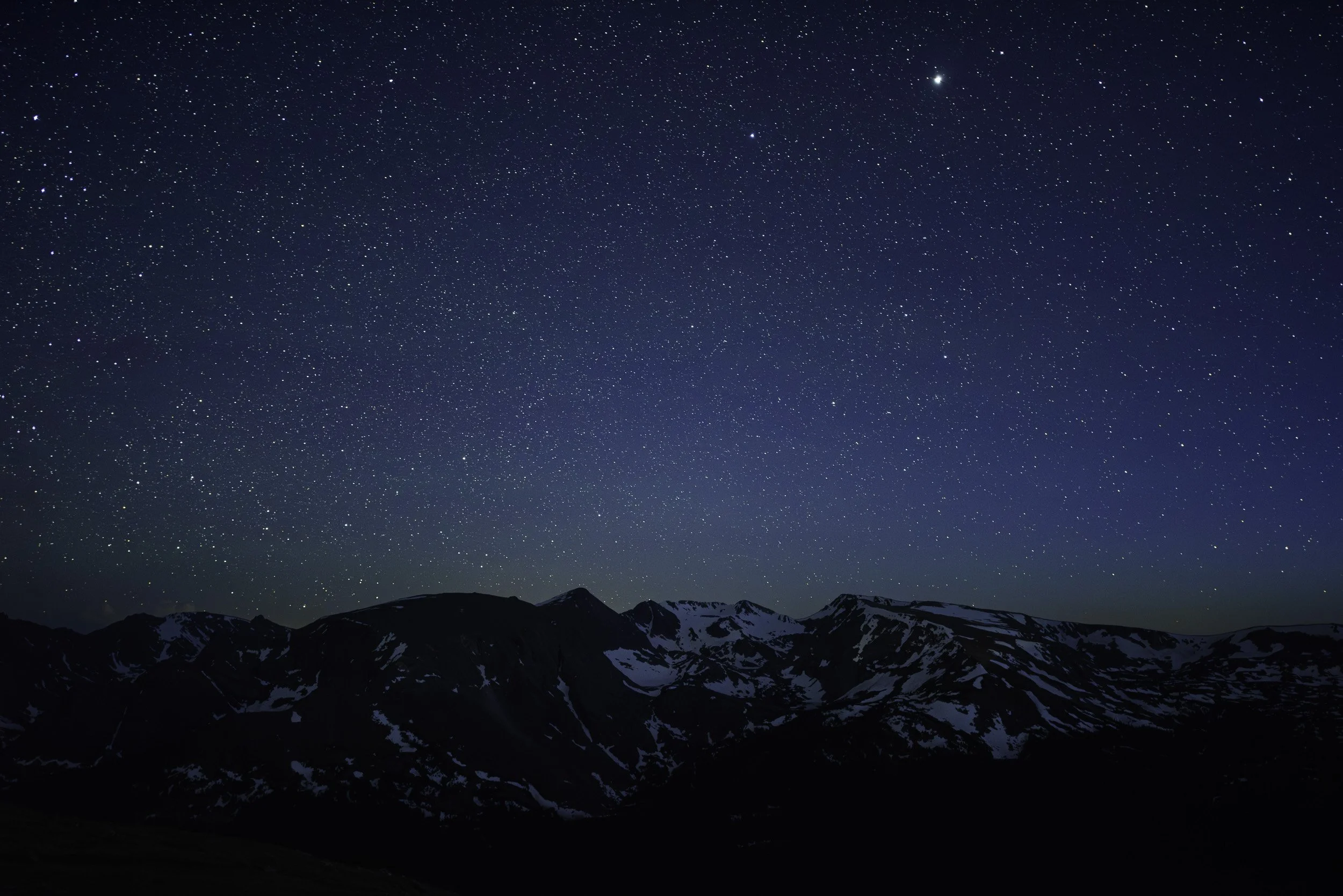
10. Watch Mother Nature’s fireworks.

Mono Lake, California. 25 seconds, f/16, ISO 100. Nikon D750, Nikkor 24-120mm f/4 lens at 65mm.

11. Create your own fireworks with light sabers.

“Lightforms.” 227 seconds, f/5.6, ISO 100. Nikon D750, Nikkor 24-120mm f/4 lens at 40mm.

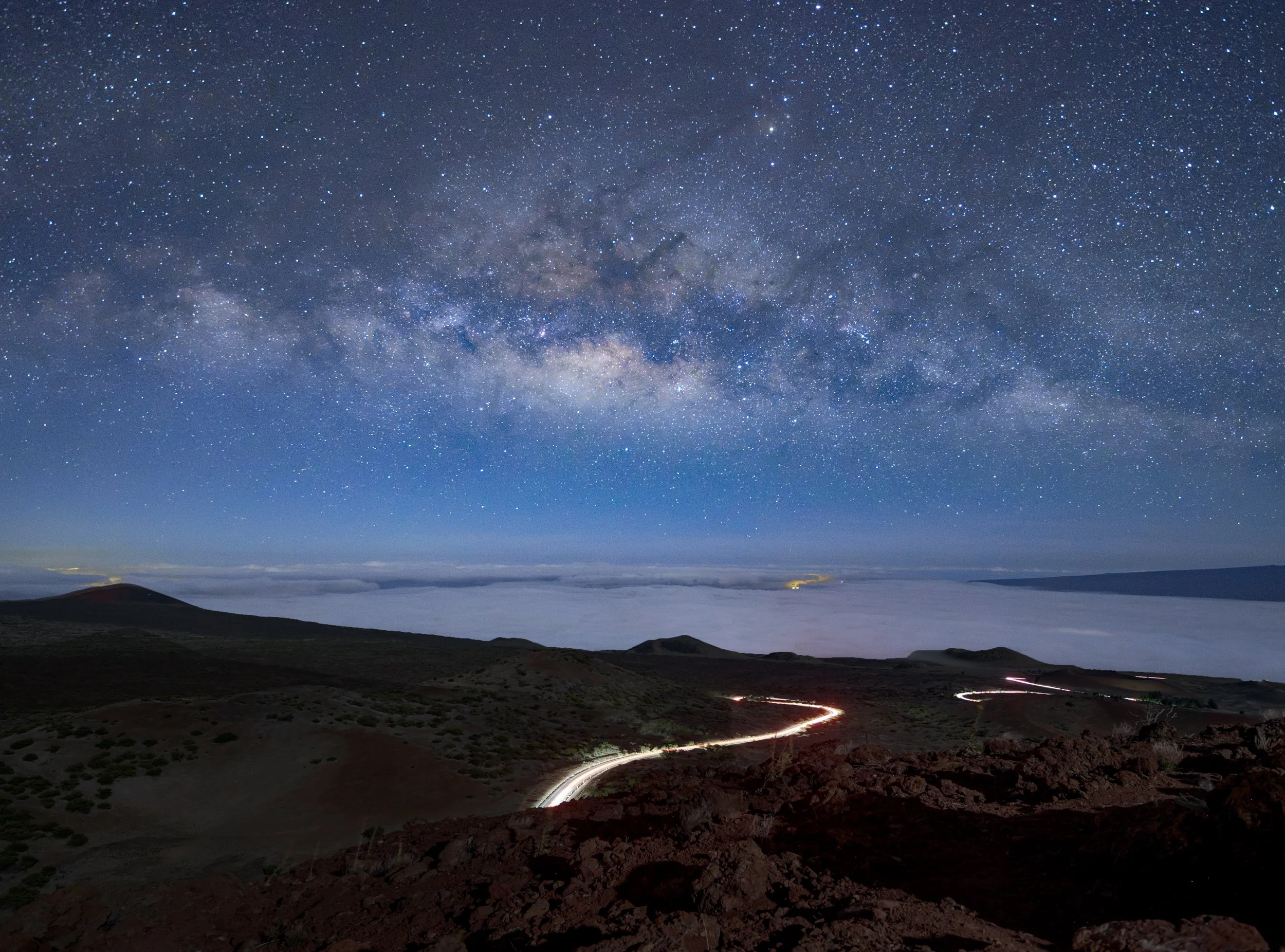
12. Visit a national park. (You knew that was coming, right?)

Olmsted Point, Yosemite National Park, California. 15 minutes, f/16, ISO 400. Canon 5D Mark II, Nikon 28mm f/3.5 PC lens.
Lance Keimig is a partner and workshop leader with National Parks at Night. He has been photographing at night for 30 years, and is the author of Night Photography and Light Painting: Finding Your Way in the Dark (Focal Press, 2015). Learn more about his images and workshops at www.thenightskye.com.

UPCOMING WORKSHOPS FROM NATIONAL PARKS AT NIGHT

A Year of Shooting in the Dark: Reflecting on Our Fave Photos of 2016

A new year always brings the promise—or the hope—of change. And such is the case with the National Parks at Night blog. With a quick look at your calendar, you’ll know for sure that today is not Tuesday, but Saturday. The former was our new-post day since we launched this blog last January, but 48 posts later, we’re changing to the latter. We hope the weekends will afford you more time to relax with the words we write.


The end of the year is always a nostalgic time to look back and reflect on your accomplishments. 2016 officially marked National Parks at Night’s first year in business, and we couldn’t be happier with how it went! We sold out all of our workshops, collectively explored over 20 parks, spoke at five major conferences, presented at countless camera clubs, and taught one of the most popular classes of the year—Night Photography Week—on Creative Live. And in between, we have been scheming to offer even more experiences and opportunities to learn with us in 2017!

As 2016 wraps, we’re also doing what many photographers do at this time of year: We’re reflecting on our creative endeavors, seeing ways we developed, and looking through our catalog to spot our favorite images. So join us for a stroll through 2016 as we share our favorite night photos from the year.

Matt Hill

While on our workshop in Arches National Park, Tim Cooper and I were finishing up at Balanced Rock when the clouds started to break. I thought about how wide my lens was and said to myself, "I have a feeling about this—let's see what happens." Looking over my shoulder when the image came up on the LCD, Tim said, “You’re a cloud whisperer now!” Boy, did I feel good. Sometimes experience helps you make better decisions, like placing the moon behind something, watching skies and manually closing the shutter just as the moon crests the edge. And sometimes fortune smiles on you. Thus goes the magic unpredictability of night photography. · Nikon D750 with a Nikon Fisheye 16mm f/2.8 lens; 7.5 minutes, f/5.6, ISO 100.

This is my favorite image of the year, because it captures everything I feel about what we do. Exploring, creative risk-taking, appreciation for national parks and collaboration. I shot this in Capitol Reef National Park during our National Parks Week road trip in April. We were hiking back through Capitol Gorge after an epic night of photographing at The Tanks, when I turned around and saw the possibilities for this composition. Everyone was tired (and concerned about some weather rolling in), but they still were happy to pose and to help light-paint the rock face. · Nikon D750 with a Zeiss Distagon 15mm f/2.8 lens; 30 seconds, f/2.8, ISO 3200.

Tim Cooper

This shot made in Zion National Park was created with the idea of mixing the motion of car trails with the motion of the moving stars. To keep the western sky from overexposing, I was limited to a 10-minute shutter speed, so I chose to shoot multiple exposures to stack later in post-processing. I made three test shots to determine the overall exposure and test for time and intensity with light painting. The final image combines four different exposures of 10 minutes each with light painting in various areas with the Coast HP7 flashlight gelled with a Bastard Orange Filter. · Nikon D4 with a Nikon 14-24mm f/2.8 lens; four 10-minute exposures, f/5, ISO 400.

Before I even landed in Arches National Park, I knew I wanted to create a composition with this tree that my friend Doug Johnson had pointed out to me years earlier. The brilliant light of full moon illumination meant that I had to keep my exposures to a maximum of 3 minutes so that the overall scene would not become too bright. Because I had envisioned the North Star and its “rings” through the trees, I set my Vello ShutterBoss intervalometer to shoot 17 separate images at 3 minutes each. The old tree received extra illumination via my Coast HP7 flashlight gelled with a Bastard Orange filter. · Nikon D4s with a Nikon 14-24mm f/2.8 lens; 17 3-minute exposures, f/5.6, ISO 100.

Lance Keimig

This image of the Mexican miner’s cemetery in Terlingua, Texas, is one of my favorites of the year for multiple reasons. First, Terlingua and the Big Bend region in general are unique in so many ways, including geology, geography and especially character. It’s one of my favorite places to visit, and this image is special to me because it is a remake of one that I created on my first visit to the area in 2007. The first time there, conditions were very different—the moon was full, and it was just before La Dia de los Muertos, the biggest day of the year in any Mexican cemetery. The original image was my favorite from the first trip, and the new one from this past March turned out to be my favorite from the 2016 trip. The composition is very similar, but the lighting and the sky were completely different. I was also working with my newly found friend, Hal Mitzenmacher, who was one of the workshop participants. The two of us worked together on the shot for about an hour, and I think Hal would agree that this hour was the highlight of the journey. · Nikon D750 with Nikon 24-120mm f/4.0 lens; 30 seconds, f/4.5, ISO 6400. Light painting from behind and from left with a Coast HP5R flashlight, as well as from both sides on the fence in front.

This image from Death Valley National Park exemplifies what I love about night photography. It’s simple, yet powerful. The lone streetlight that illuminates the dirt road leading up to the employee dormitories behind the Furnace Creek Inn takes the strange and beautiful natural landscape and turns it upside down. Why is there a streetlight in the middle of nowhere? It just adds thick layers of mystery and surrealism. As I walked up the pathway and crested the hill, the light came into view and I immediately saw the shot. I made several different versions, but this was my favorite. I love the quiet simplicity of the scene, and the secret knowledge of what lays outside the frame makes it special to me. · Nikon D750 with Nikon 24mm f/1.4 lens; 30 seconds, f/8, ISO 400. Lit with existing streetlight and moonlight.

Chris Nicholson

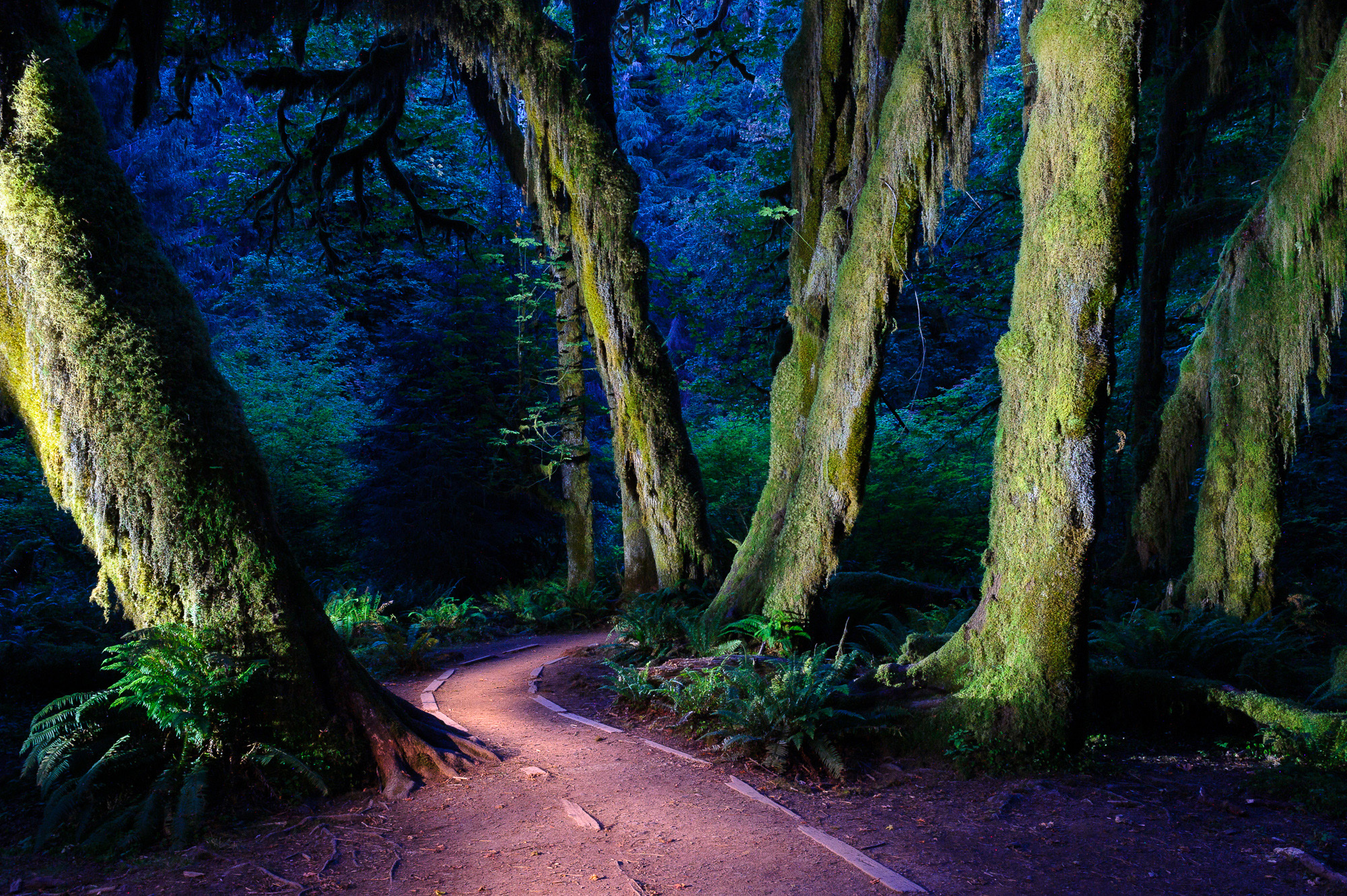
One of my favorite spots to photograph in Olympic National Park is the Hoh Rain Forest. But until this year, I'd never tried it at night. This image required a few hours of work (including hiking!) and employing all the best practices of night photography. I needed to scout the location during the day, including setting up the composition and tripod placement, and walking through the scene to see how I could move around safely in the dark to various points for light painting. The final exposure was made hours later toward the end of twilight, using a Coast HP7R flashlight and 1/2-cut CTO gel. · Nikon D3s with a Nikon 28-70mm f/2.8 lens; 4 minutes, f/16, ISO 1600.

During our Death Valley National Park workshop, we spent an entire evening on the Mesquite Flat Sand Dunes, shooting under black skies for a couple of hours until the moon rose. When the moon finally made its appearance, everyone was in awe; walking among the dunes under the light of a full moon is one of the best experiences in the park. At one point I saw attendee Karen taking a break from shooting and enjoying a moment to savor the experience. I quickly planted my tripod, composed, focused and called out, “Karen, please stand still for ten seconds!” I light-painted her from the side with just a quick swipe of my Coast HP5R. This image, I think, speaks to all we do as national park night photographers, and to all the five of us do as night photography instructors. It’s not just about the photography, it’s also about the experience. · Nikon D5 with a Nikon 17-35mm f/2.8 lens; 10 seconds, f/5.6, ISO 3200.

Gabriel Biderman

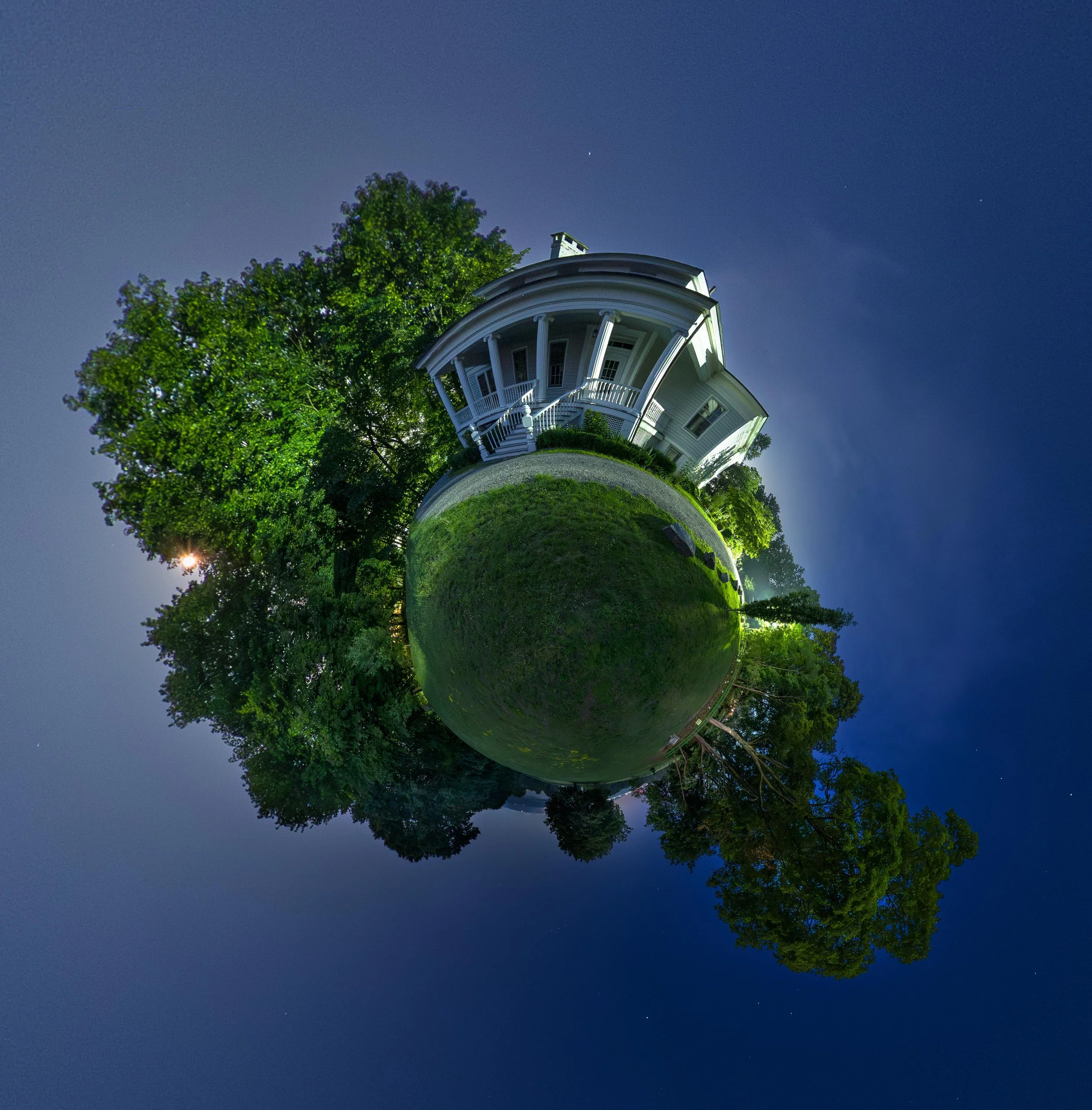
I’m constantly looking for new ways to interpret the night and have been playing with 360-degree cameras for several years now. 2016 was the year that the 360 technology took a leap forward for long exposures! This image was taken on the last night of our first workshop in Acadia National Park. I knew I wanted to get the Milky Way and myself as a “Little Prince” on the world. I was walking away and previewing the proper distance I needed to be and I loved how the red light turned me into a mysterious silhouette as well as lit up the tiny planet perfectly. · Ricoh Theta S Spherical Digital Camera; 1 minute, f/2, ISO 800.

I was suffering from shooter’s envy as all the other NPAN guys were teaching workshops in Arches & Death Valley national parks during the supermoon on November 14. So I called out an impromptu moon shoot with some fellow local nocturnalists in NYC. We used the PhotoPills app to figure out the best location to capture the moon rising over the trifecta of iconic NYC bridges. The challenge was that we had only about a four-minute window to see and shoot the moon before it was completely hidden behind thick blanket of clouds. I used a super telephoto lens to create a tight composition that emphasized the car trails over the bridges as well as the super size of la luna! · Nikon D750 with a Sigma 150-600mm f/5-6.3 lens; 1/2 second, f/11, ISO 400.

Your Images

Now that we’ve shown you some of our favorite night photographs from 2016, we’d love to see yours! Head over to the National Parks at Night Facebook page and share the best shot of your year, along with some info about how you made it. We can have fun seeing one another’s work, then we can all get back out into the night to start creating our 2017 portfolios!

We hope that you had a creative and productive year, and look forward to sharing more adventures with you in 2017!

Gabriel Biderman is a Brooklyn-based fine art and travel photographer, and author of Night Photography: From Snapshots to Great Shots (Peachpit, 2014). During the daytime hours you'll often find Gabe at one of many photo events around the world working for B&H Photo’s road marketing team. See his portfolio and workshop lineup at www.ruinism.com.

UPCOMING WORKSHOPS FROM NATIONAL PARKS AT NIGHT