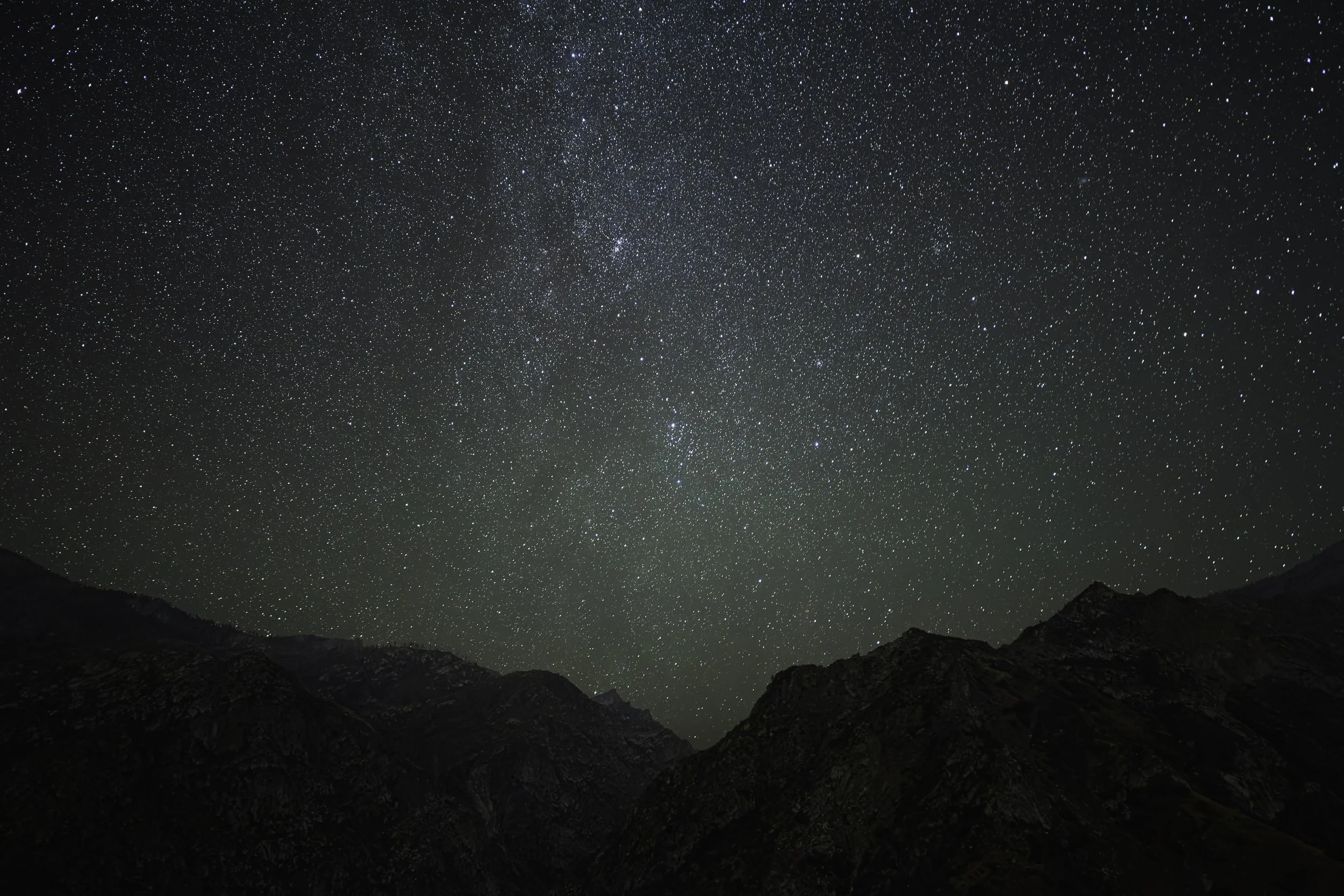
Kings Canyon National Park
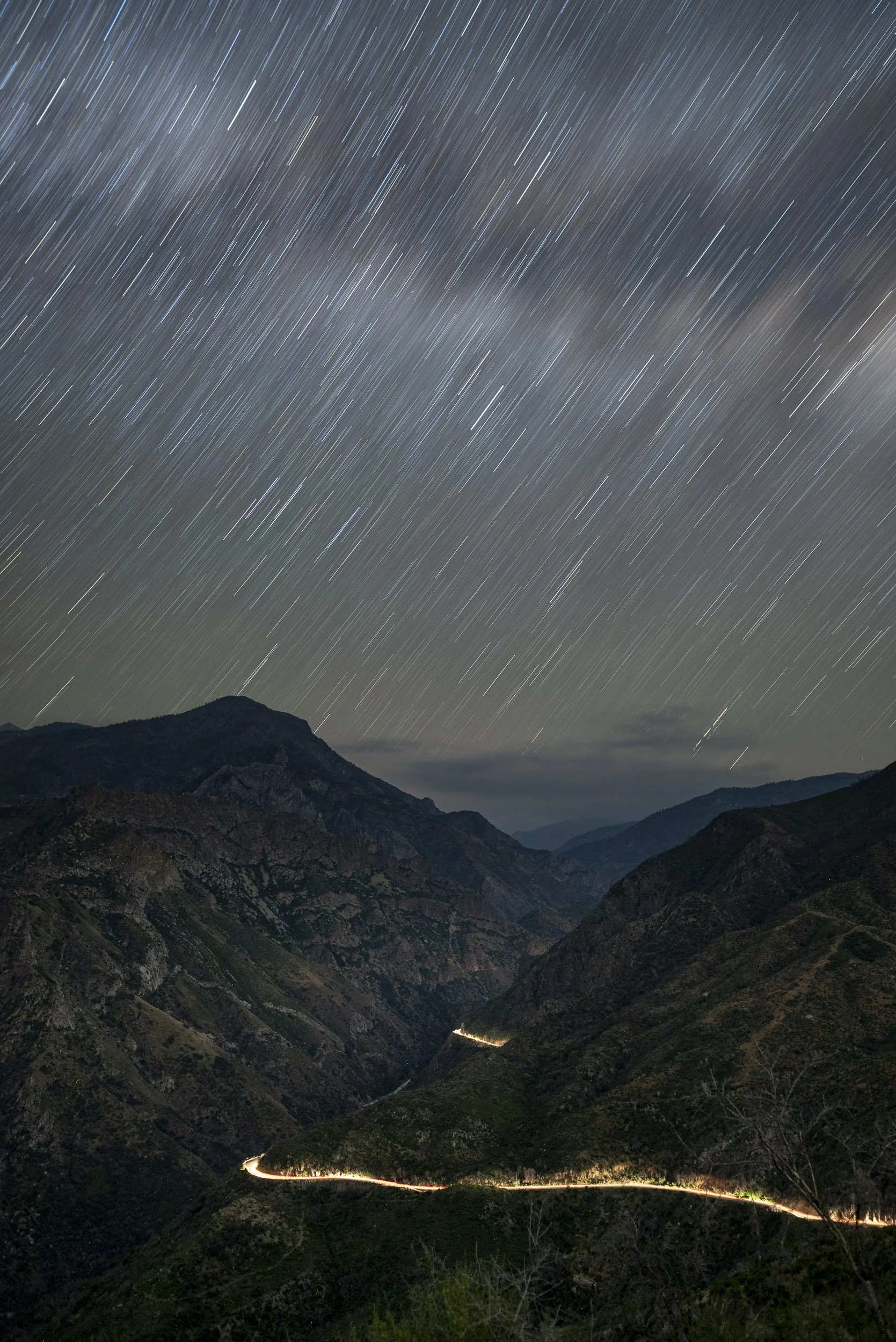
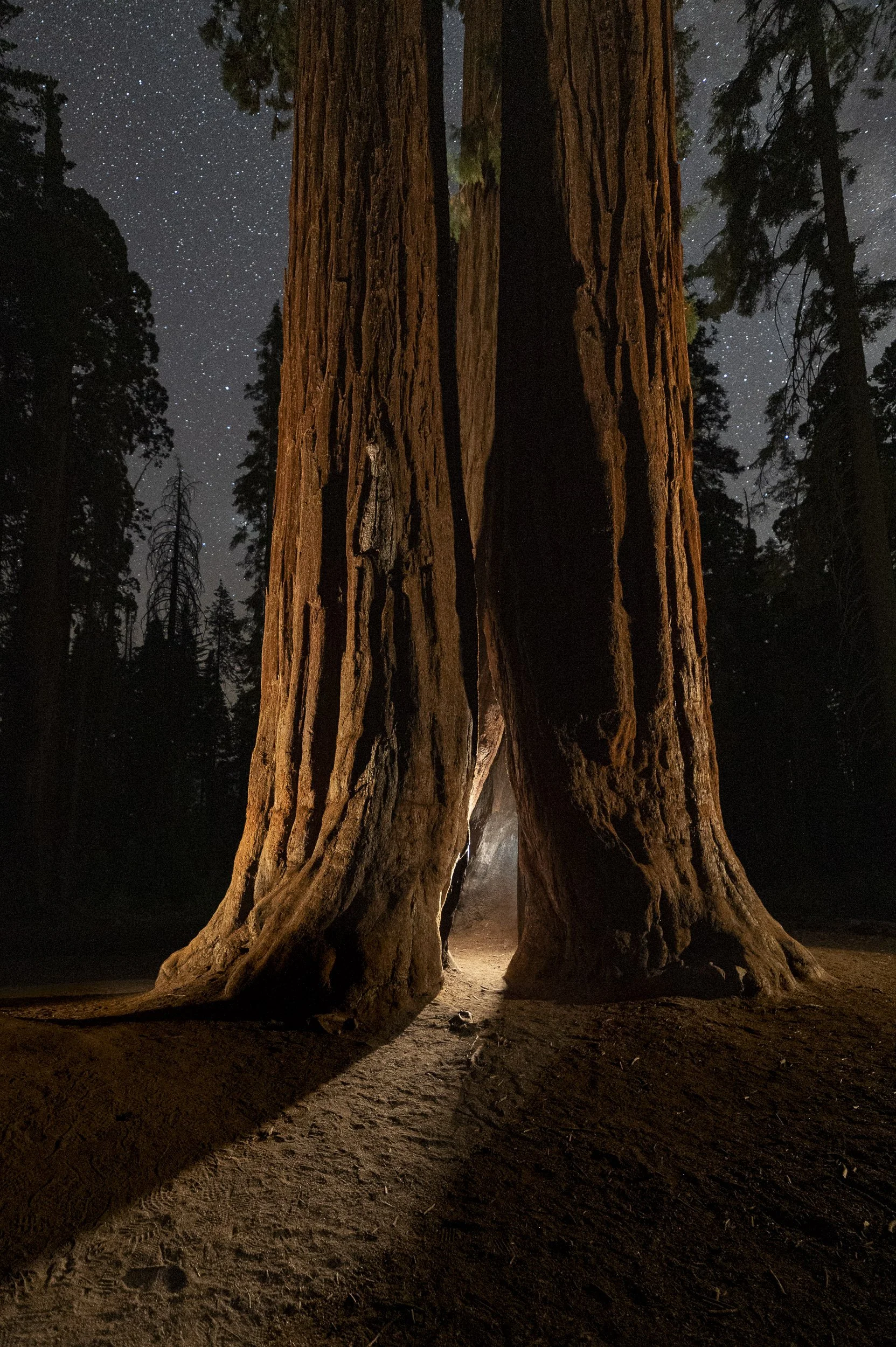
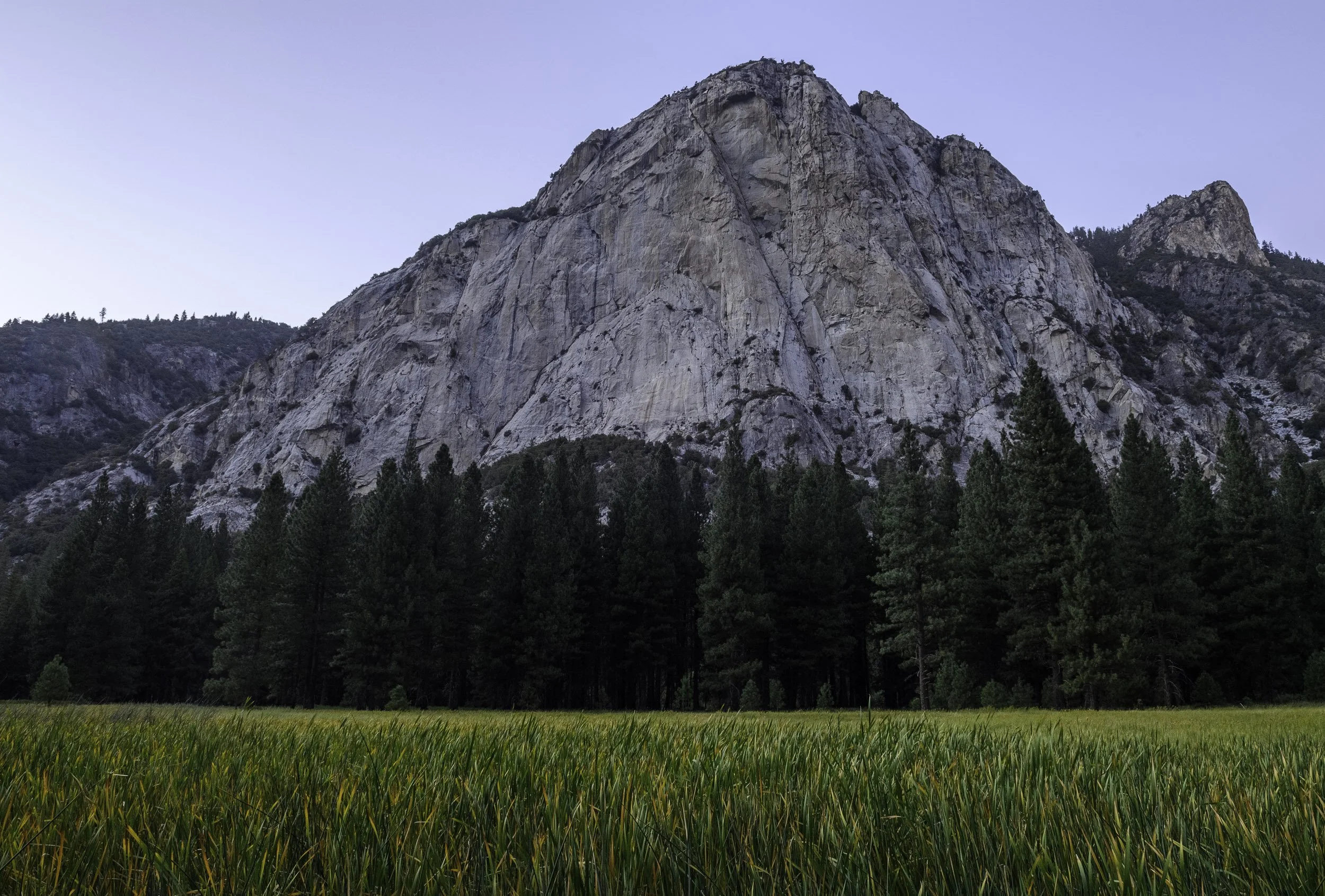
John Muir considered Kings Canyon a rival to Yosemite, and in many ways, it’s easy to see why. Towering granite mountains, a majestic valley and, as an added bonus, some of the world’s largest trees—Giant Sequoias. We’ll explore the canyon along the 35-mile road that winds through its depths, getting up close to the giant trees, the river and a remarkable cavern along the way. You’ll certainly get your steps in, but you won’t need John Muir’s legendary prowess to enjoy the experience.



Workshop Details
June 14-18, 2027
This is a 5-night, 5-day workshop. Your adventure begins on the morning of June 14, and ends after the night shoot on June 18.
$2,495 + applicable taxes.
Skill level
Intermediate and above. Participants should have a firm grasp of the basic principles of photography and of their cameras, and have a comfortable understanding of night photography fundamentals.
Group size
14, with 2 instructors — 7:1 ratio
NPS website
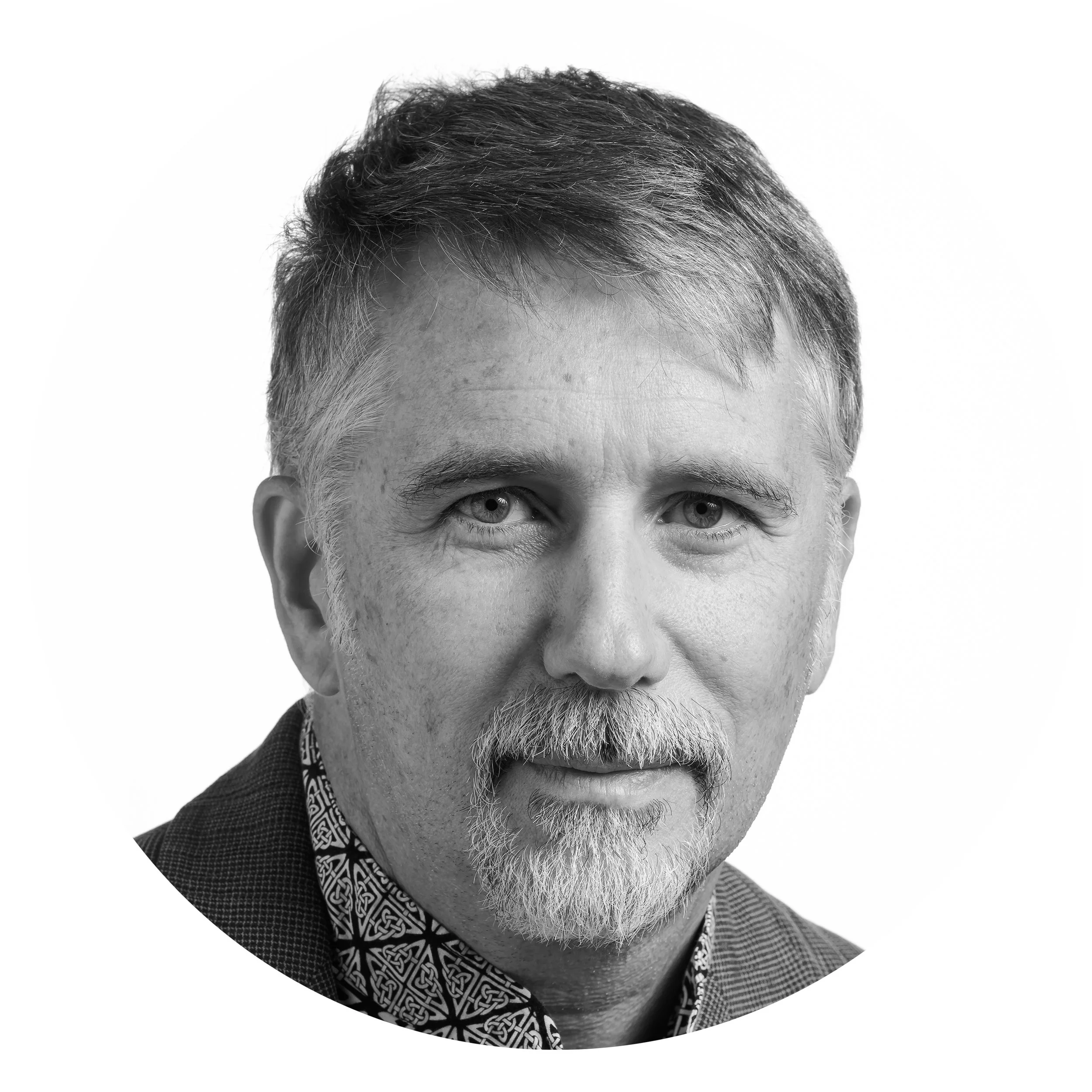
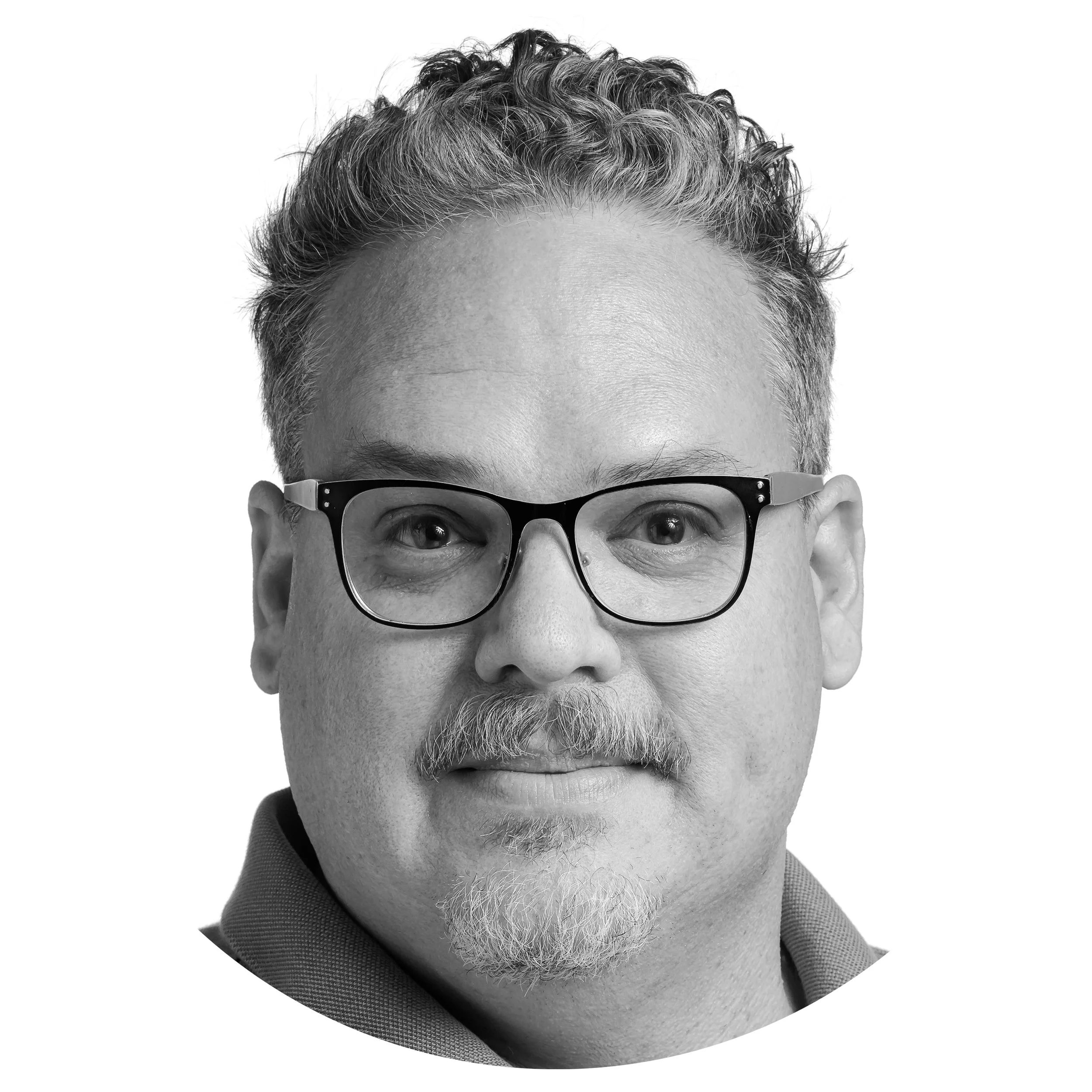
Workshop Leaders
Registration
| • Deposit of $800 is required to reserve your spot at the workshop. |
| • Balance of $1,695 is due on February 14, 2027. → Pay balance here. |
| • You may choose the “Pay in Full” ticket if you desire to pay all at once. |
| • Last day for a cancellation request is February 13, 2027. (see cancellation and refund policy) |
| • The workshop fee does not include lodging, food, airfare, park entrance fees, or transportation to Kings Canyon National Park or to our nightly shoot locations. |
The Kings Canyon Experience
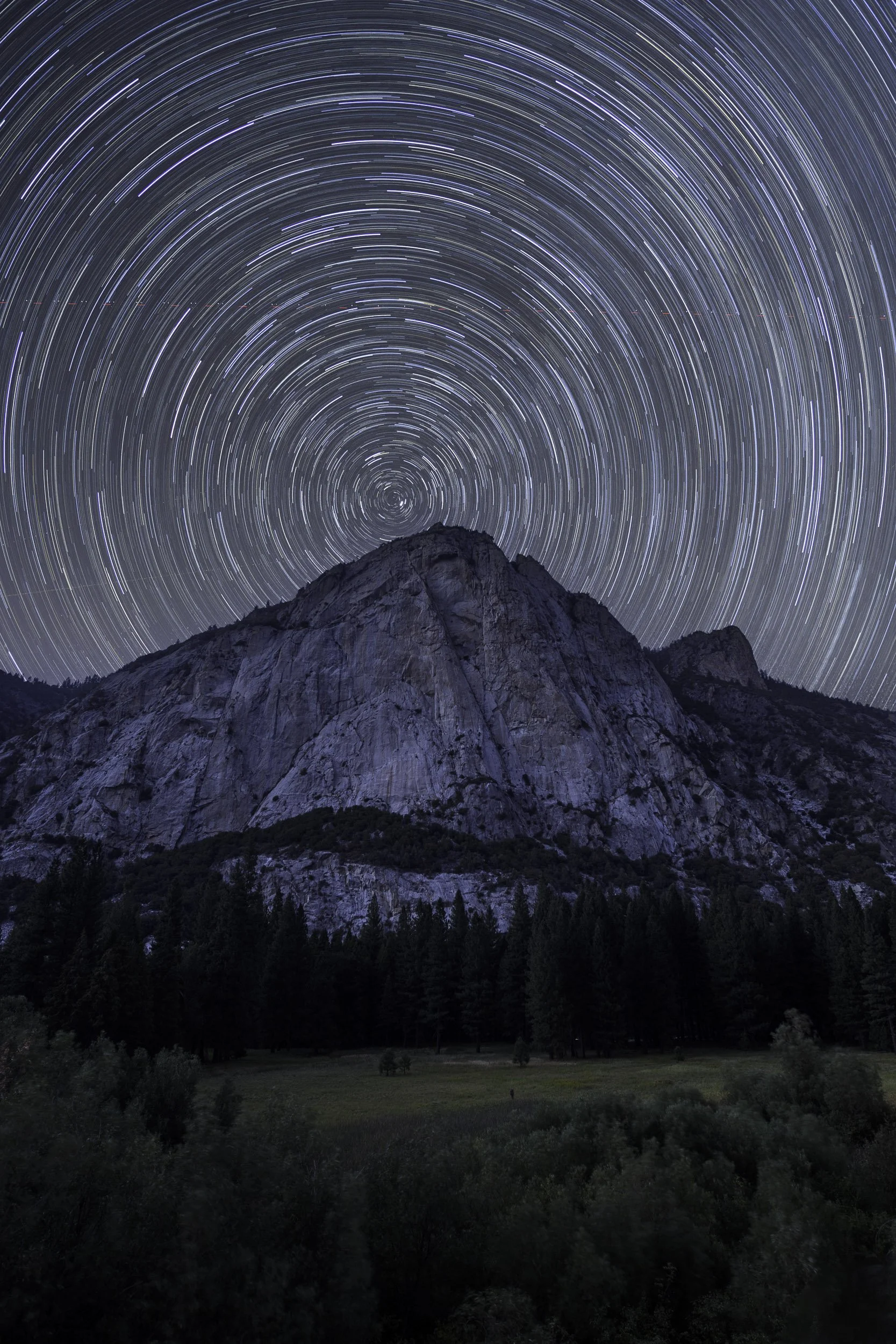
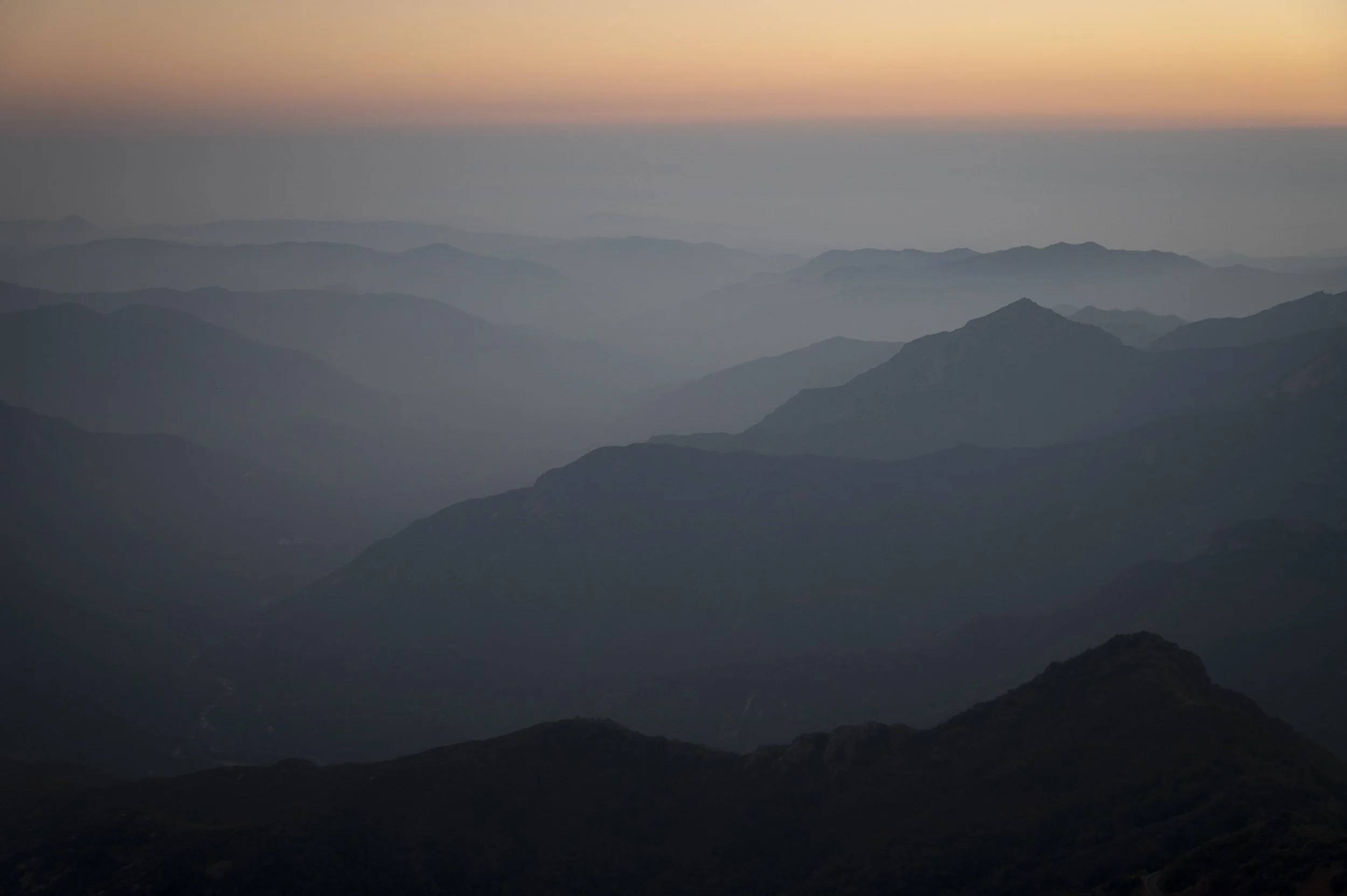
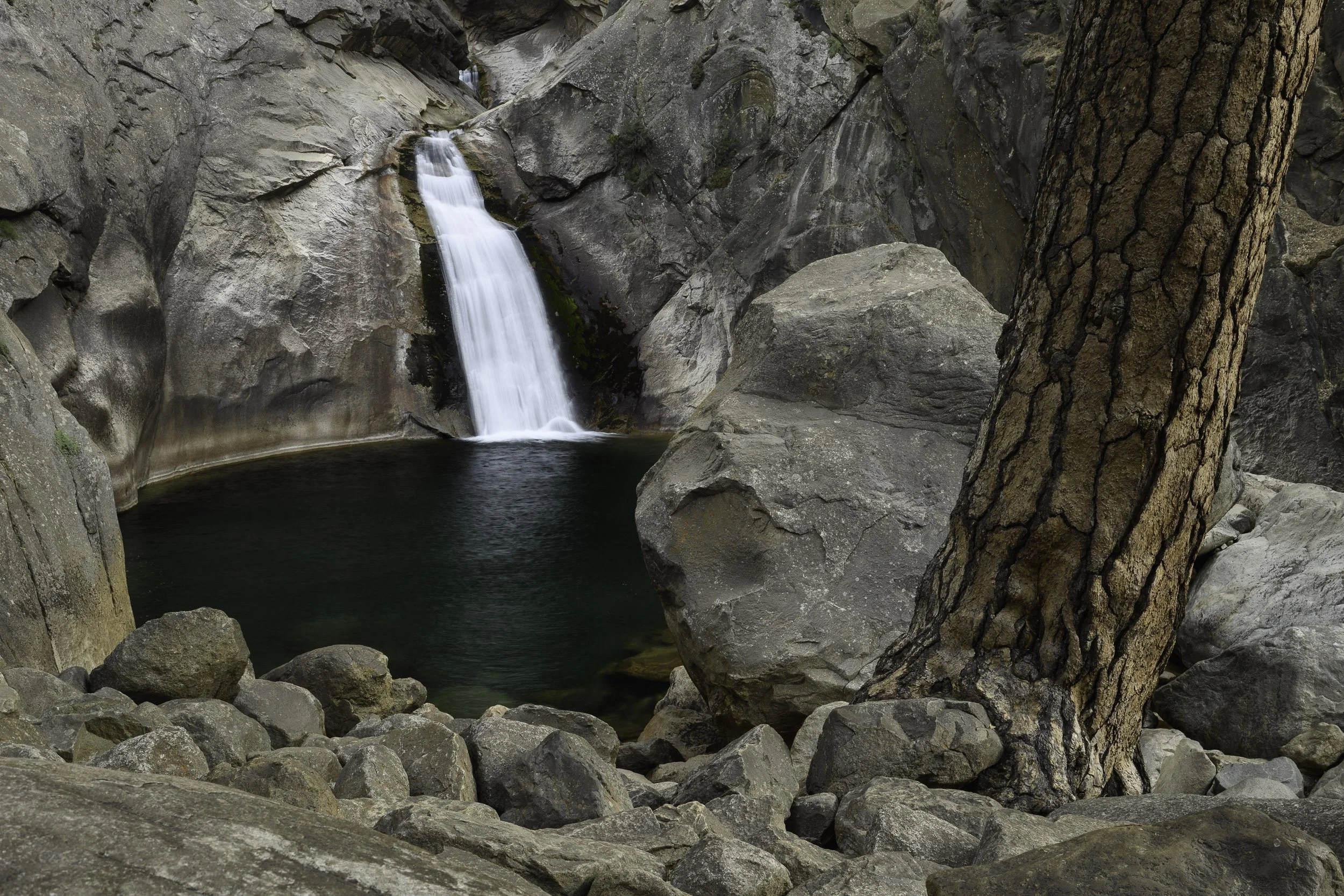
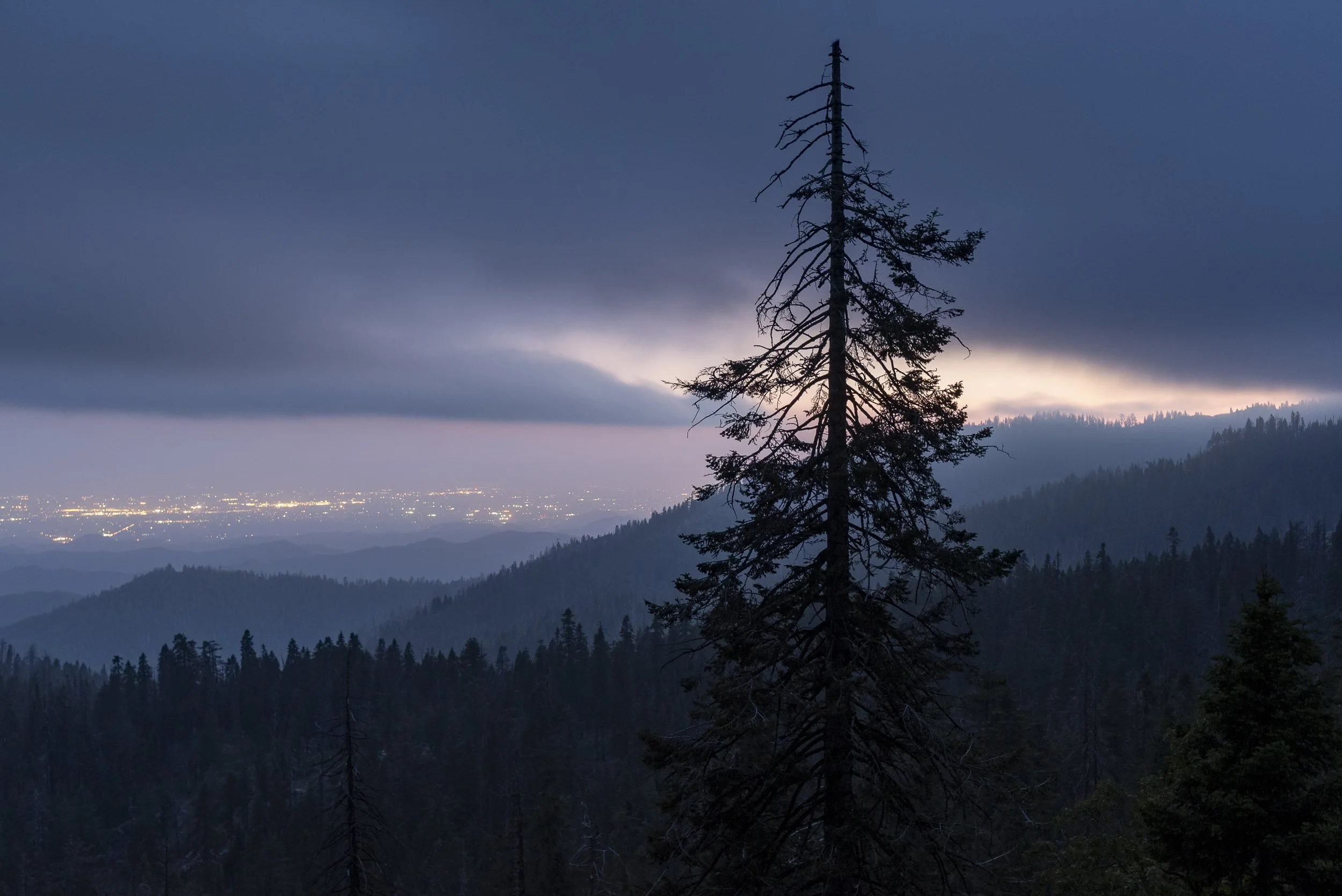
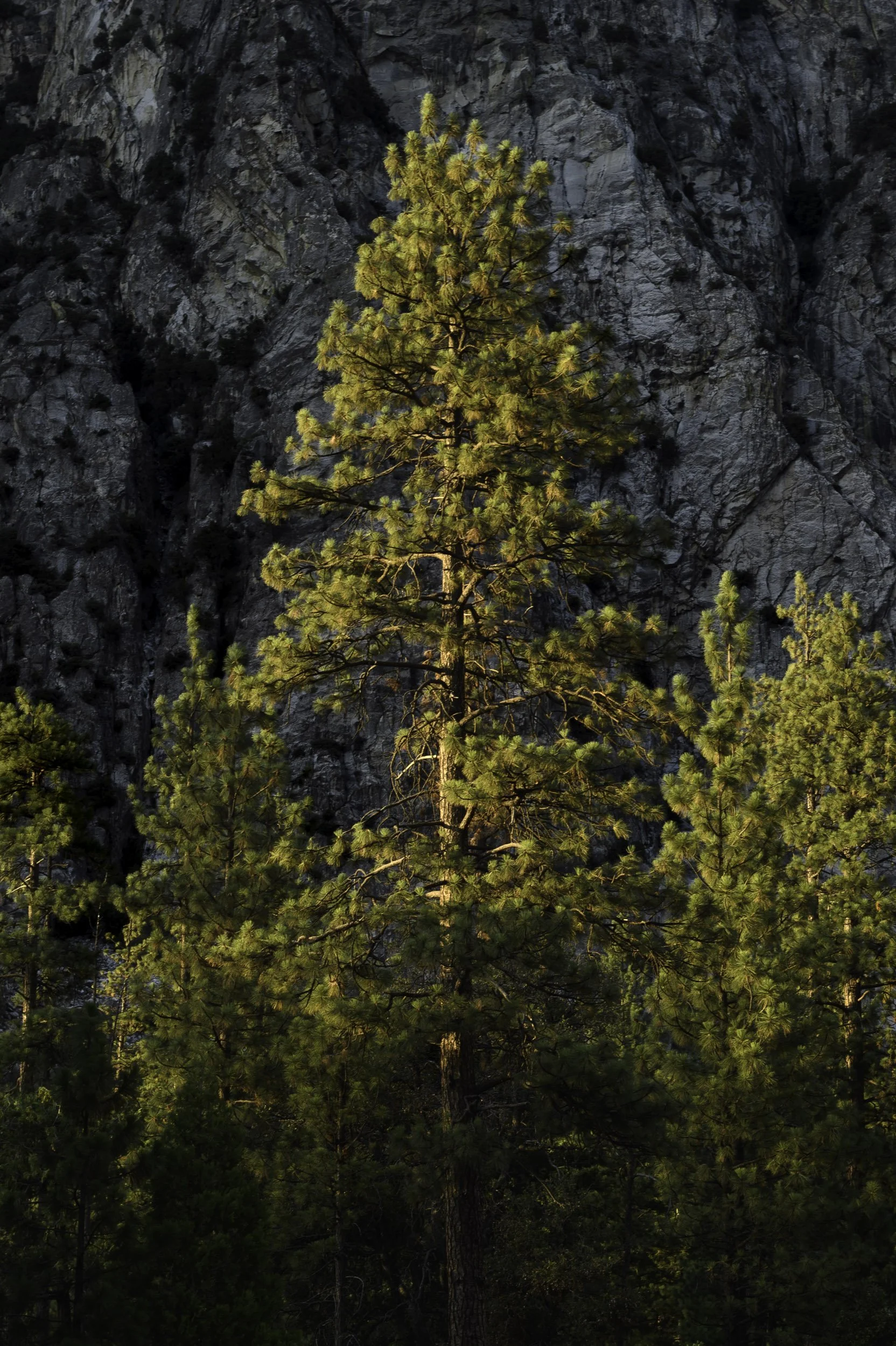
This workshop is an opportunity to immerse yourself in a remarkable landscape of granite spires, enormous trees, cold rivers and fresh mountain air, with plenty of time to photograph the forest in a variety of conditions and throughout the day. We’ll take you to inspiring locations at the best times for photography, working from panoramic vistas and wildlife-filled meadows to roadside pullouts and forest trails well beyond the pavement. Our shooting locations will range from easily accessible, must-see spots to rewarding viewpoints that require a bit of physical exertion to reach.
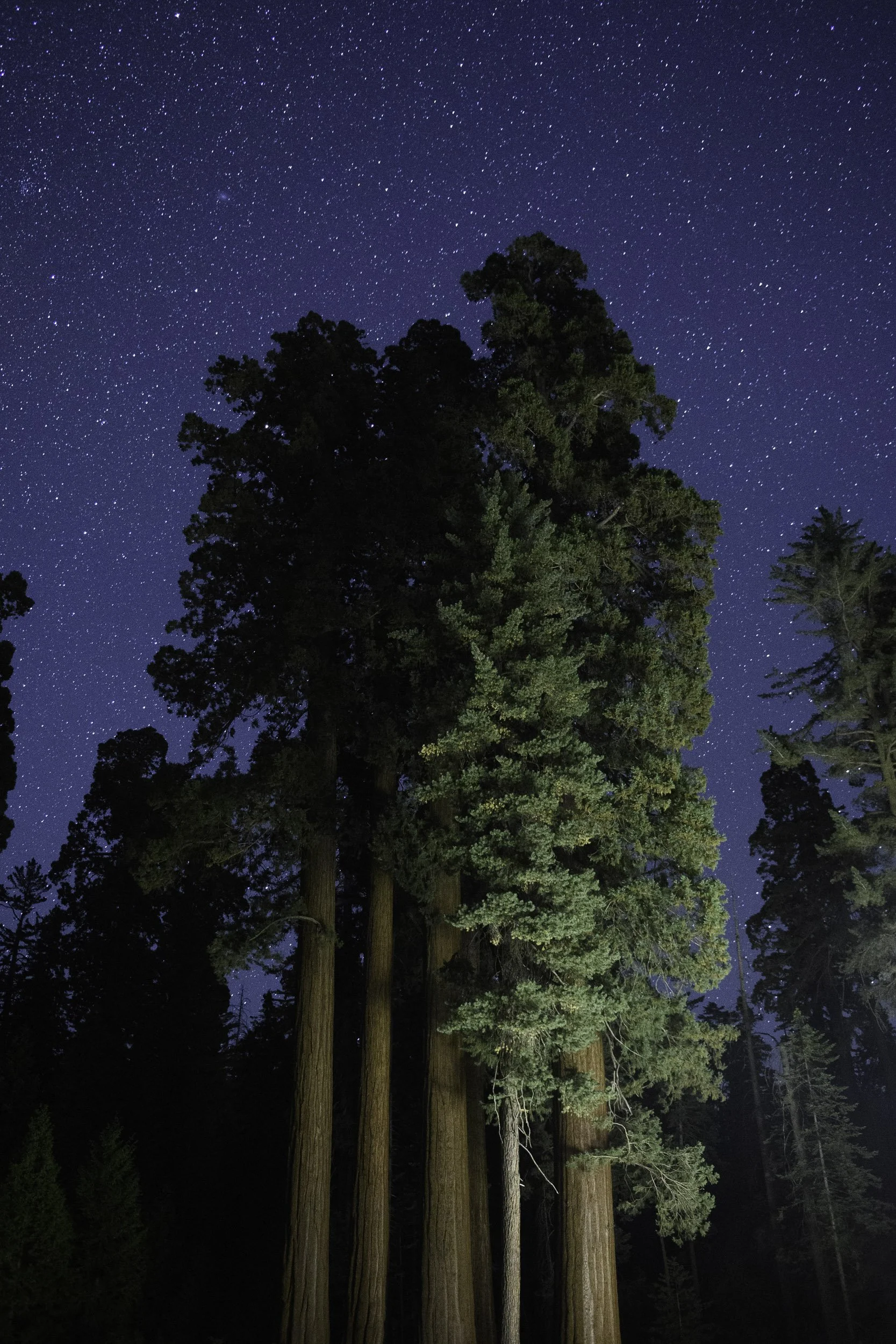
Giant boulder foregrounds made a great subject for light painting, dark skies stretch over endless panoramic vistas and a rushing river, an ancient cavern invites you into its darkness, and of course, the largest trees on Earth will fill your senses and provide endless photographic opportunities. It’s a chance to step away from the everyday and recharge your internal batteries, while draining a few camera batteries in the process.
We will also dip into the neighboring Sequoia National Park, for night opportunities among its towering trees, rock formations and inspiring Eastern Sierra vistas.
What You Should Know
This is a 100 percent field-based workshop with no classroom time. The workshop caters to knowledgeable night photographers with an intermediate or higher skill set. Participants should have a firm grasp of the basic principles of photography and of their cameras, and have a comfortable understanding of night photography fundamentals. We will be happy to offer advice and answer questions about both day and night photography, but the focus of the formal education will be composition and lighting techniques in a forest environment in moonlight. There will be a final slide show via Zoom a few weeks after you get home.
If you would like to join us on this trip but are unsure whether you have adequate night photography skills, we can offer pre-event tutoring to get you ready for your adventure with us. Additionally, a few of us have written books that may be productive pre-trip reads.
What You Will Learn
Field sessions will include daytime scouting excursions to plan our night shots, and to explore the park. At night the instructors will work with you as much or as little as you like. The moonlight conditions favor either star trails or short exposures for star points with added lighting. (This is not a Milky Way-centric workshop.) This trip is a great opportunity to refine your skills in a challenging nighttime environment.
TOPICS COVERED WILL INCLUDE:
Scouting and planning
Low-Level Lighting (LLL) and/or light painting
Topics on request, such as panoramas or star trails
and more …
Night Conditions


Logistics & General Info

Travel
You are responsible for arranging and paying for your own transportation.
Nearby Airports:
Fresno Yosemite (FAT) — 2 hours from Cedar Grove Lodge
Burbank (BUR) — 5 hours
Long Beach (LGB) — 6 hours
Los Angeles (LAX) — 6 hours
Ontario (ONT) — 6 hours
Rental Car
You will need a rental car to get to the workshop and to the shoot locations.
There is no need for four-wheel-drive.
If you are interested in carpooling or sharing a rental car, let us know and we will try to connect you with another attendee looking for the same.

Lodging & Food
You are responsible for arranging and paying for your own meals and accommodations.
To minimize driving and maximize our time photographing, the group will stay in two locations at opposite ends of the canyon. If you have an RV or enjoy sleeping in a tent, this trip offers a golden opportunity to combine photography with a classic Sierra Nevada camping experience. If you prefer the creature comforts of a hotel room, you have that option too (see below). Either way, memorable days, and nights under the stars await.
Lodging
We will be staying at the Cedar Grove Lodge deep in the canyon for the first two nights, or you can stay at the Cedar Grove campground.
We will move to the John Muir Lodge near Grant Grove for the last three nights to be able to access other parts of the park, as well as Sequoia National Park. Alternatively, you may stay at any of the three campgrounds near Grant Grove.
You are not required to stay at the official workshop lodging, though doing so does make it much easier to meet with the group each morning. The best alternative would be camping at one of the campgrounds near the two lodges. You could also stay just outside the park entrance in Three Rivers, California, but this option requires climbing and descending 6,000 feet every day.
Info and group code will be sent once our lodging partner is ready to begin taking reservations.
If you are interested in sharing a room, let us know and we will try to connect you with someone like-minded in the group.
Food
The restaurants at the lodges serve three meals per day, and there are a couple of other concessions in the park, but options are limited.
We generally recommend two daily meals—a late breakfast and an early supper, with snacks or sandwiches for the night shoots.
When on the night shoots, you may wish to bring snack food or a sandwich and plenty of water.

Weather
Expect daytime highs in the 60s F, nighttime lows in the 40s and possibly the 30s.
Recommended Attire
Pants and a long- or short-sleeve T-shirt for daytime.
A sweatshirt/sweater and warm winter jacket will be useful at night.
Bring a base layer, hat and gloves. Layers are good. Handwarmers might come in handy.
Trail shoes or hiking boots are recommended for getting around. We will be walking and doing some hiking on a daily basis, as well as exploring a cavern.
Bring sunscreen, a sun hat, hiking poles if you normally use them, and bug dope, although you probably won’t need the latter.

Exertion Level
The exertion level of this workshop is Moderate to Active. (See more about our classifications.)
We’ll be walking or hiking a couple of miles at moderate elevation most days, mainly on trails in frontcountry. Some hikes may have an elevation gain of several hundred feet, but we will take our time getting there. Be prepared for some Type 2 fun, but it will be fun. Fitness is required.
Altitude sickness
The areas of Kings Canyon where we’ll be range between 4,500 and 8,000 feet in elevation. Altitude sickness can become a concern at over 8,000 feet, and some people can experience it at elevations as low as 6,000. If you are generally sensitive to high elevations, or if you are coming from a sea-level region, we advise arriving in the area a day or two early to acclimate by going on some short hikes at altitude. We also advise staying well hydrated.
Note: To ensure the safety of individuals and the group, the trip leaders may use their discretion to limit an attendee from engaging in a vigorous activity on-site should that person's physical health or ability be in question. If you are unsure about your ability to meet the physical demands, we will be happy to discuss your concerns one-on-one before you register. You are also, of course, welcome to attend the trip and sit out any physical activity that makes you uncomfortable. In such cases, we can provide you with ideas for alternative shoot locations for that time.

Considerations
The elevation at Sequoia and Kings Canyon National Parks ranges from 1,370 feet to 14,494 feet, but the giant sequoia does not grow at elevations above 8,000 feet. The park climate can be divided into three general zones: low-elevation foothills, mid-elevation montane forests and high-elevation alpine mountains. We will spend most of our time in the mid-level montane forests between 4,500 and 8,000 feet.
You will most likely be arriving either from Fresno or Visalia in the Central Valley, which are both about 300 feet above sea level, and climbing up through the foothills to the sequoia groves. It’s a good idea to take it easy for the first couple of days if you are coming from lower elevations. There will be daily walks and hikes covering distances of up to 4 miles with an elevation gain of up to 450 feet. You should be in good physical condition and steady on your feet to attend this workshop.
IMPORTANT: We encourage reading our FAQs page for more information about skill and gear requirements, and other information that pertains to all our workshops.
If you have questions, please contact us—we're happy to talk it over with you.
The Giants are Calling Us …
“Pretty much everyone is a tree person whether or not they have discovered it yet …”
I’ve spent a lot of time in the Sierra Nevada. Most of it has been from the eastern approach, traveling up and down one of my favorite roads, CA Highway 395.
From Ridgecrest to Reno, 395 is the point of departure for Alabama Hills, Manzanar, the Ancient Bristlecone Pine Forest, the western part of Death Valley, Mono Lake, the back way into Yosemite, Bodie ghost town, and so many more of California’s visual wonders.
The one thing 395 doesn’t provide is access to Kings Canyon and Sequoia National Parks. You pass right by them driving through Lone Pine, Independence and Big Pine, but the 14,505-foot Mount Whitney gets in the way. There’s no pass from the eastern side. One would either have to drive south to Ridgecrest and then head north from Bakersfield, through Visalia, and then Three Rivers and climb up into King’s Canyon, or head north to Mono Lake and then cross Tioga Pass, go all the way through Yosemite, then head south to Fresno down into the Central Valley, and back through the foothills on Highway 180 and up into Kings Canyon. It’s a lot of ground to cover.
As a Bay area resident for 10 years, and Santa Cruz resident for three years, I’ve had plenty of opportunity to spend some quality time with the giant sequoia's cousin, the coast redwood. Muir Woods is just across the Golden Gate from San Francisco, and it was an easy day trip that I made many times.
This will be just my third time visiting Kings Canyon. I’m looking forward to getting back there and trying to decide yet again which I like better, the coast redwoods or the giant sequoias. Either way, time spent among these giant trees is time that I will always remember.
It doesn’t matter if you are a mountain person or an ocean person—pretty much everyone is a tree person whether or not they have discovered it yet. These quiet giants have an extraordinary calming effect—on me, and on everyone I know who’s had the opportunity to stand under them.