Eastern Sierra
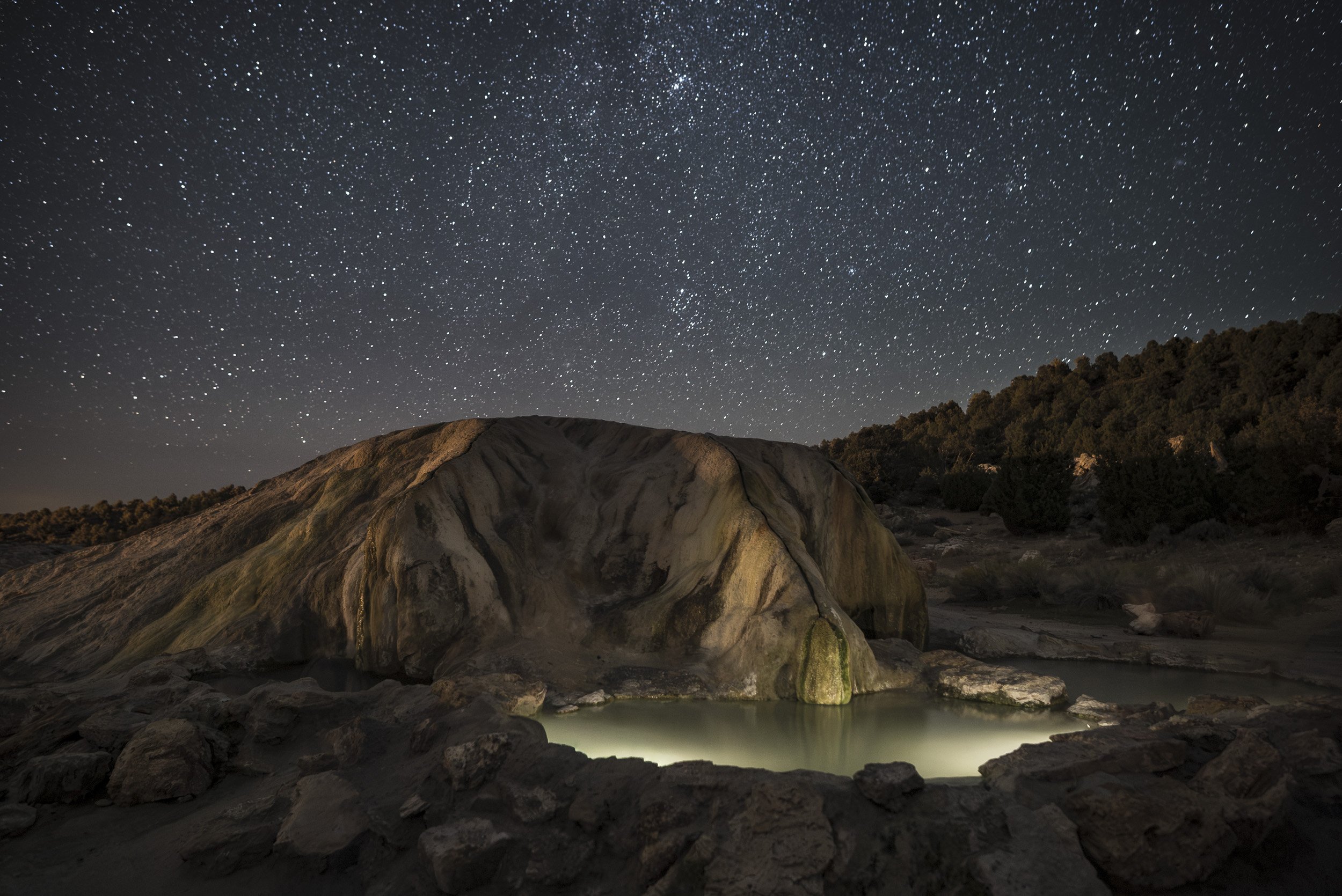
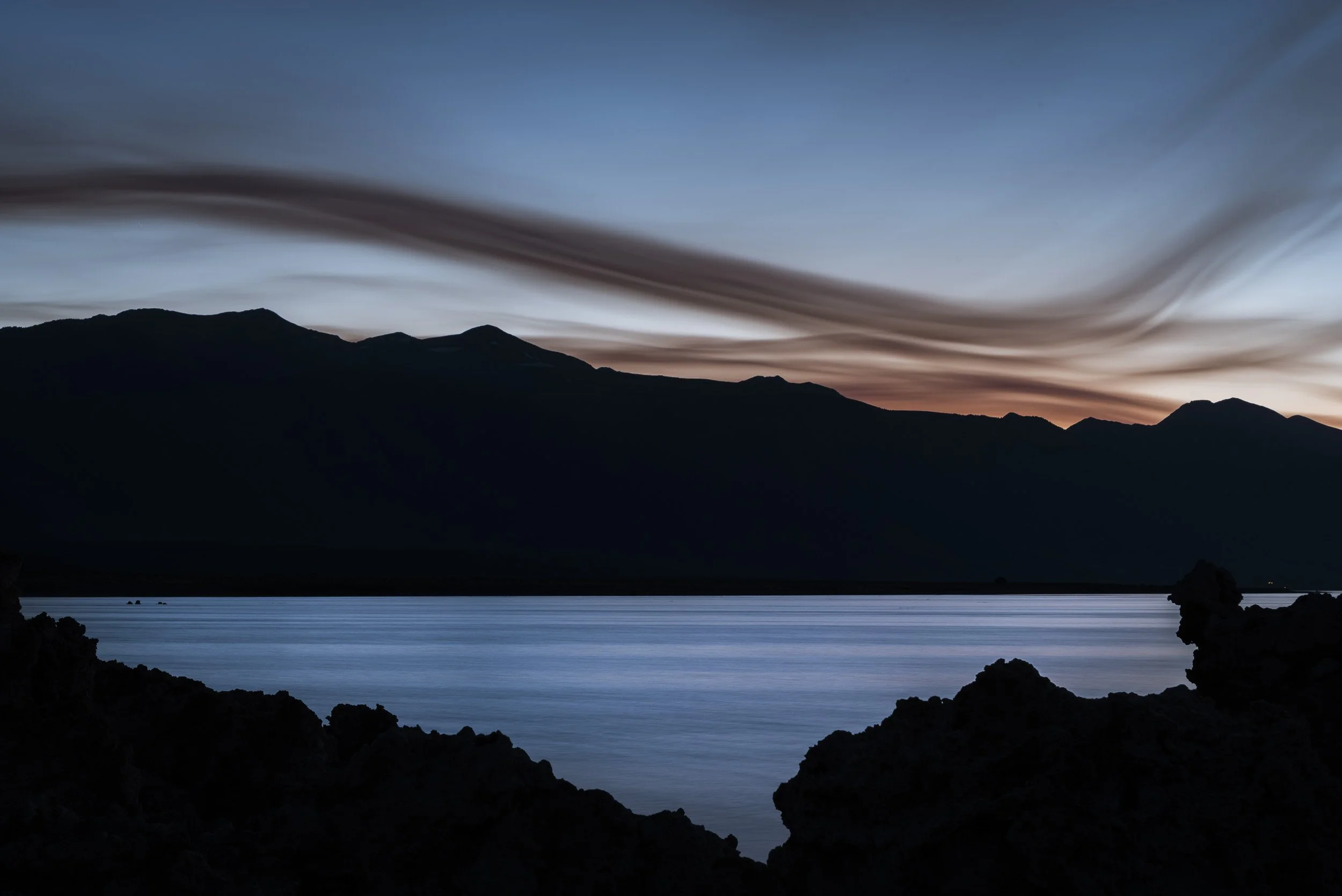
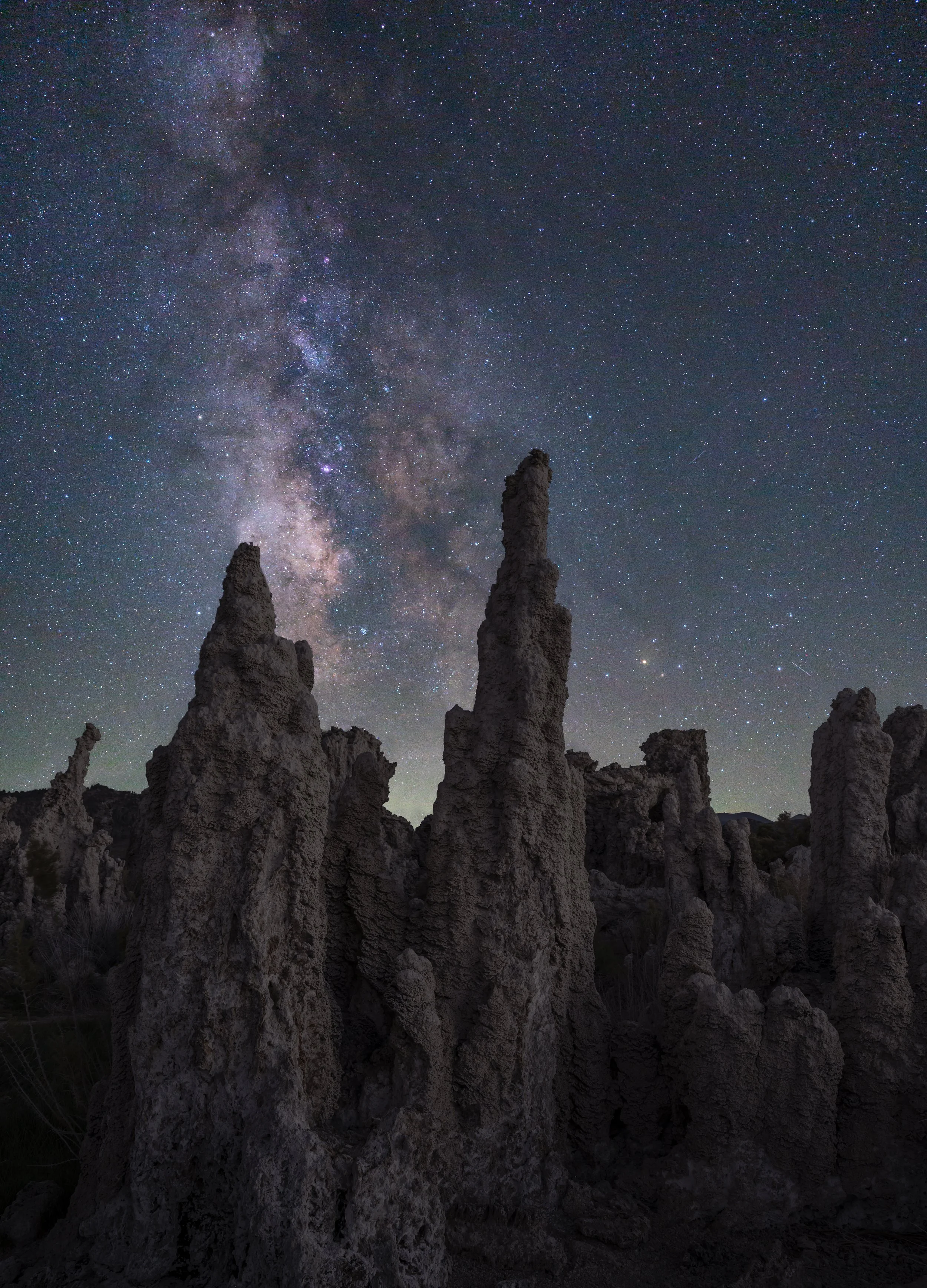
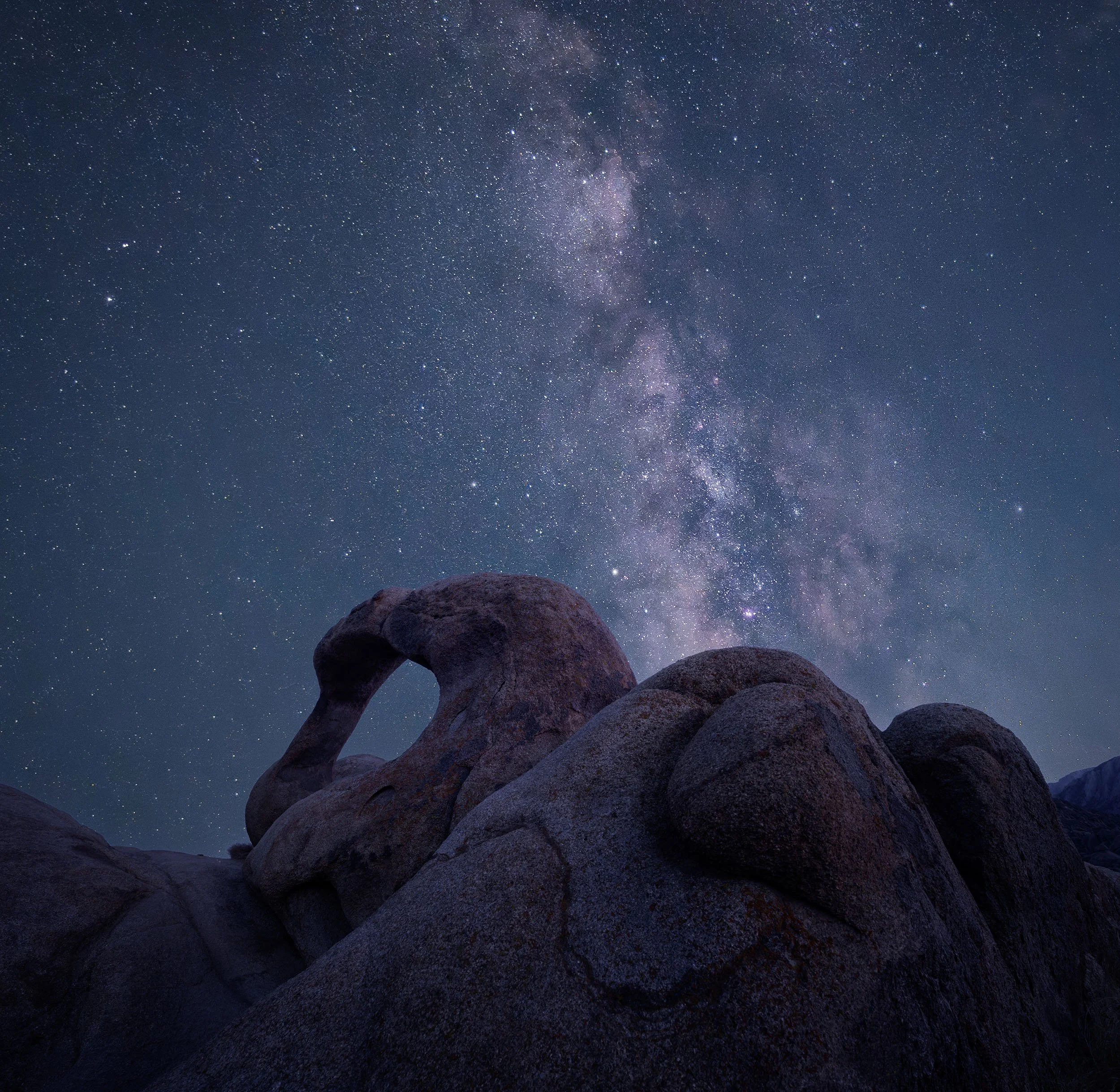
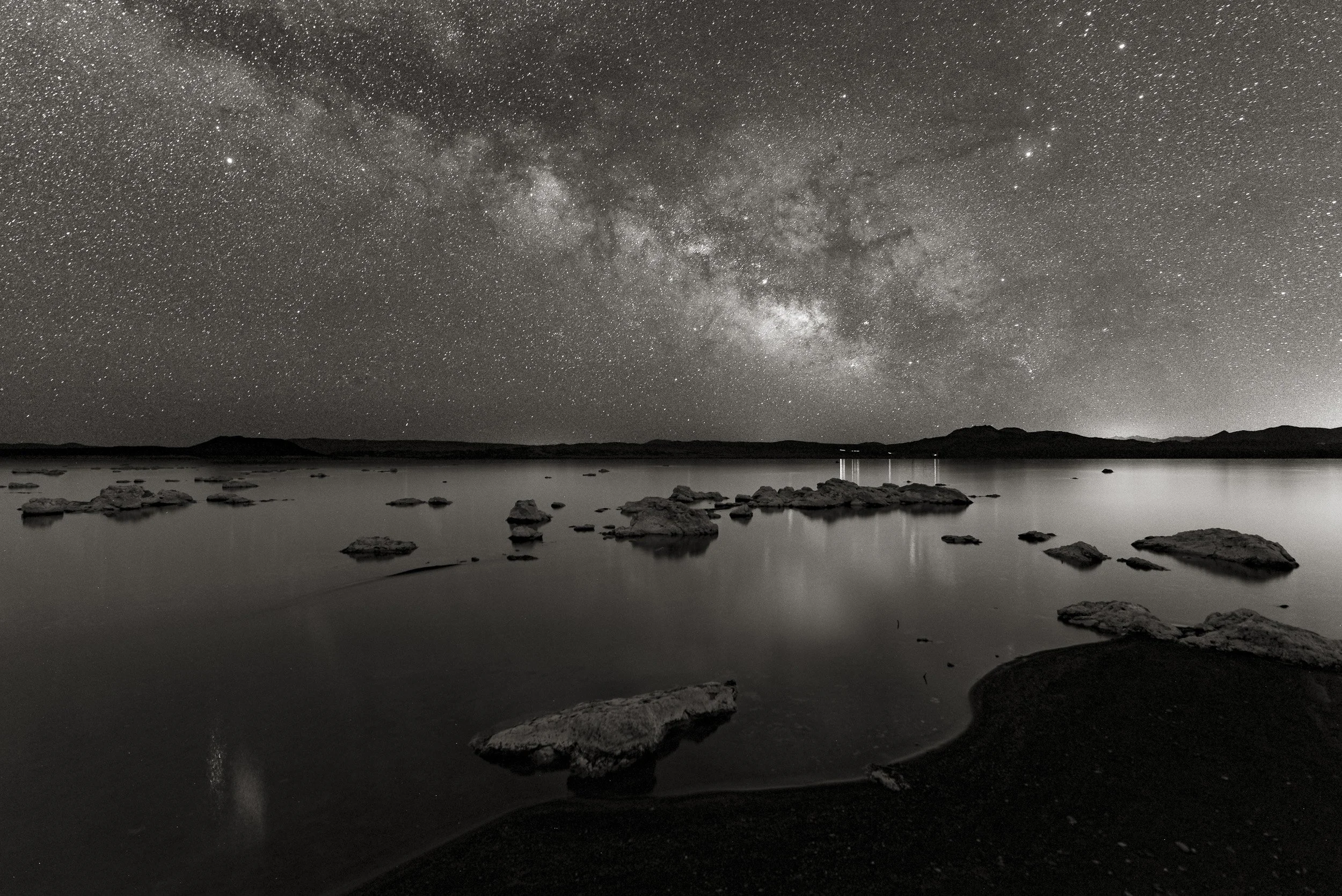
Buckle up for the ultimate nocturnal road trip: a drive down 395 through the Eastern Sierra of California. We’re taking you on a magical mystery tour bookended by Mono Lake and Alabama Hills with lots of surprises in between.








Workshop Details
October 17-23, 2027 — 1 Spot Left
This is a 7-night, 7-day workshop. Your adventure begins on the morning of October 17 and ends after a night shoot on October 23.
$3,395. Register below.
Skill level
Participants should have a firm grasp of the basic principles of photography and of their cameras, and have a comfortable understanding of night photography fundamentals.
Group size
14, with 2 instructors — 7:1 ratio
Park websites
Alabama Hills National Scenic Area
Workshop Leaders

Registration
| • Deposit of $600 is required to reserve your spot at the workshop. |
| • Balance of $1,595 is due on May 16, 2025. → Pay balance here. |
| • You may choose the “Pay in Full” ticket if you desire to pay all at once. |
| • Last day for a cancellation request is May 15, 2025. (see cancellation and refund policy) |
| • The workshop fee does not include lodging, food, airfare, entrance fees, or transportation to or during the workshop. |
The Eastern Sierra Experience
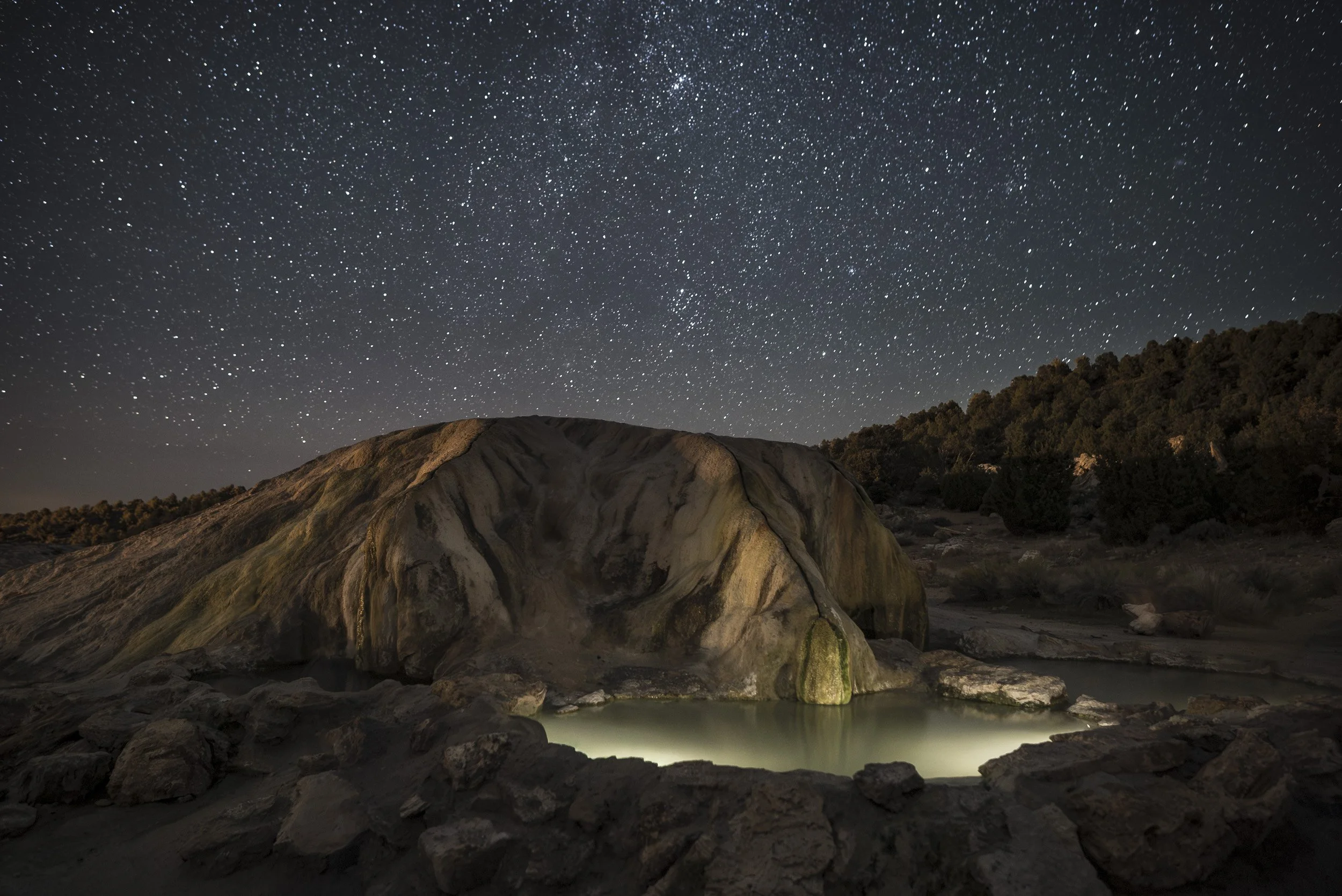
Our exploration of the Eastern Sierra starts in Lee Vining, at the intersection of Highways 120 and 395, the eastern gateway to Yosemite. Over the course of the week we’ll make our way south along Highway 395, photographing some of the more familiar sites such as Mono Lake and Alabama Hills.
But those are just the beginning and end points! We’ll get off the beaten path and explore some of the many interesting and photogenic oddities that make California’s Eastern Sierra such a rich playground for curious photographers.
We’ll be there as the seasons are rapidly changing––we’ll seek out the fall colors in the lower-elevation valleys, and we might just surprise you with some special high-country spots. (But if it’s too cold up there at night, there are plenty of fabulous locations in the Owens Valley to photograph and explore.)
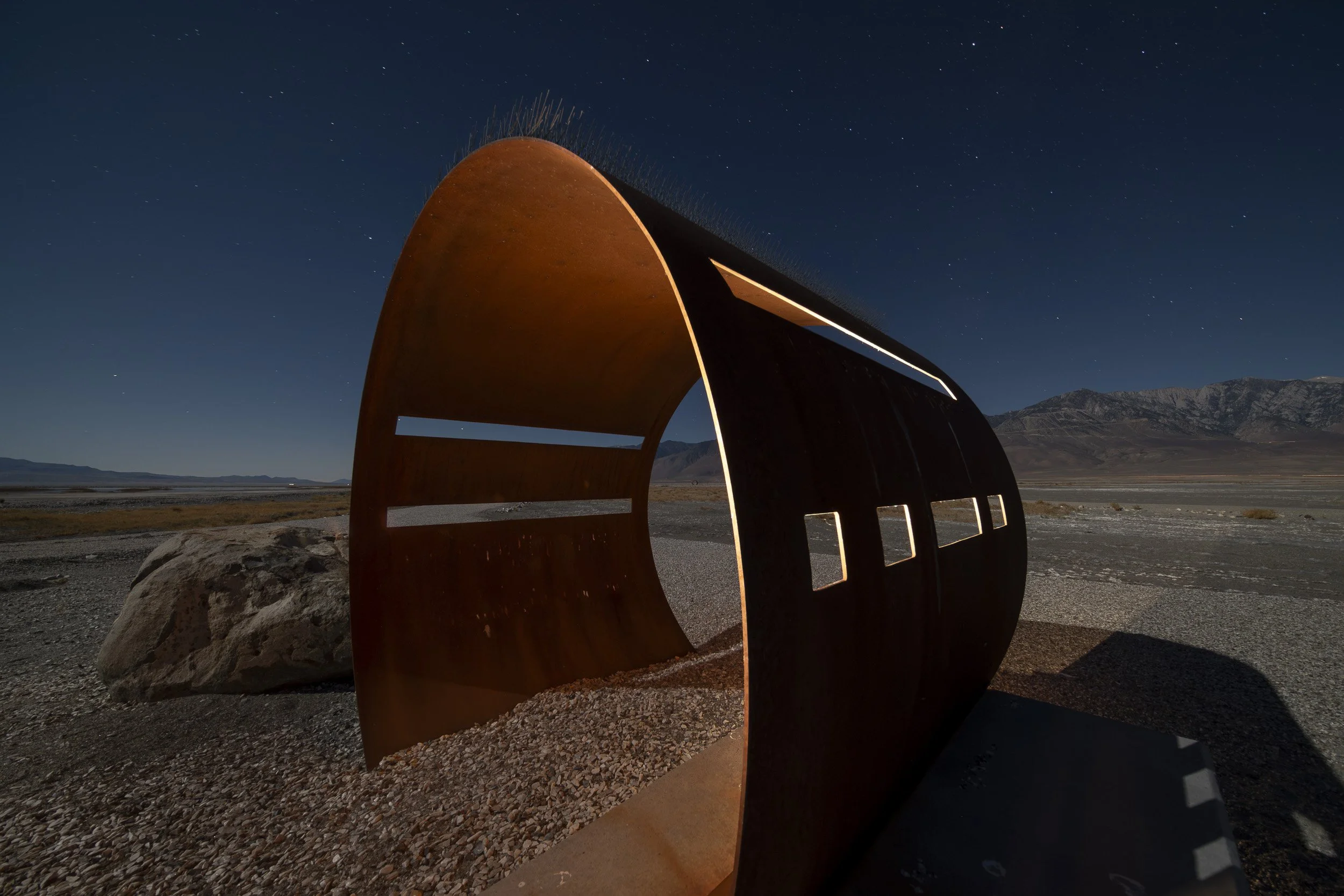
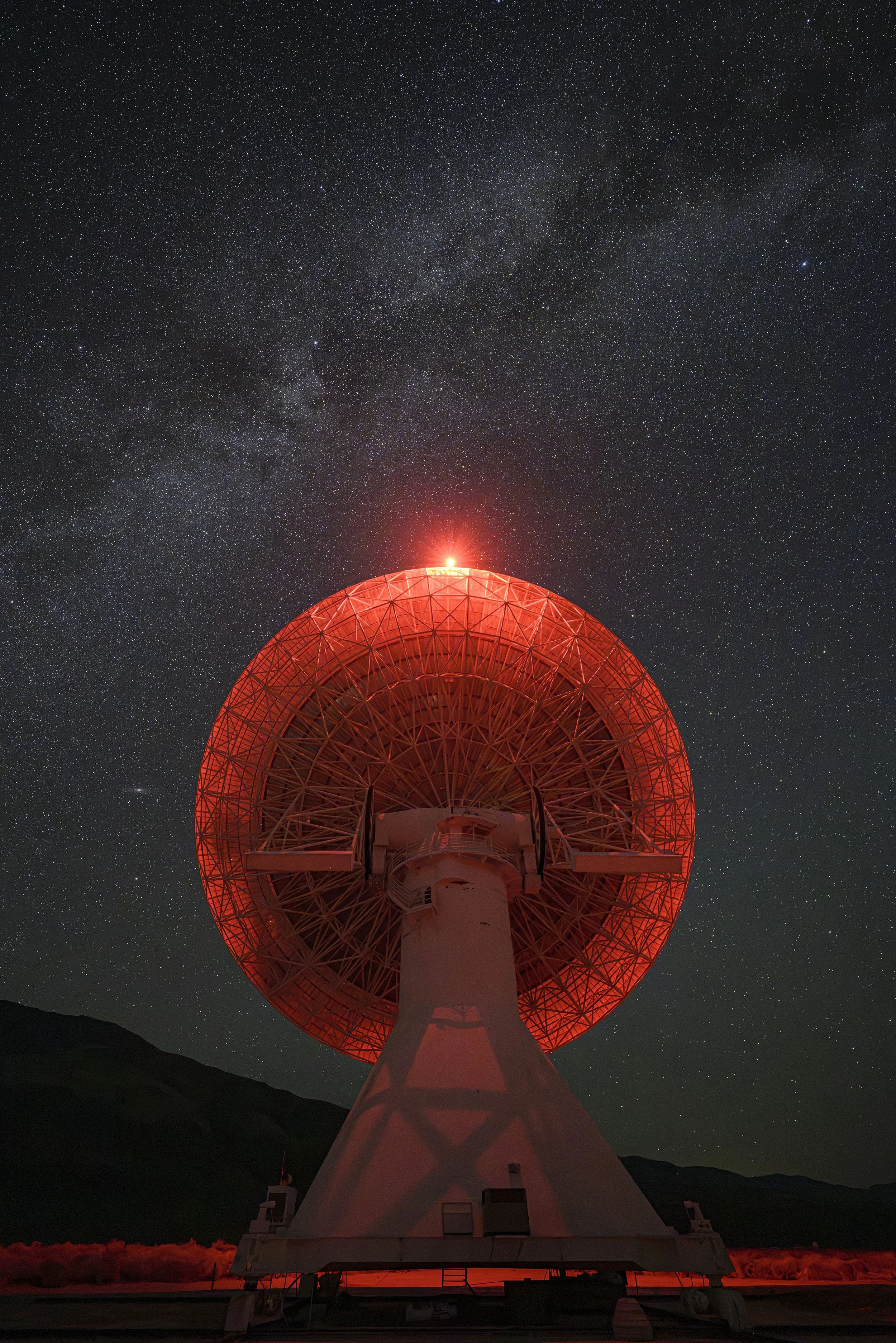
We’ve extended our classic workshop from five nights to a full week to be able to share more of what awaits us on this amazing road trip. Some of our locations will be decided on the ground based on conditions when we get there. Aside from a couple of Mono Lake deep cuts and the famous arches at Alabama Hills, we’ll definitely spend a night at the radio telescopes and other spots around Owen’s Lake. Other possibilities include the Laws Railroad Museum, the lakes around Mammoth, the petroglyphs outside of Bishop, and a bunch of other fascinating spots we’re holding in our back pocket to surprise and delight you.
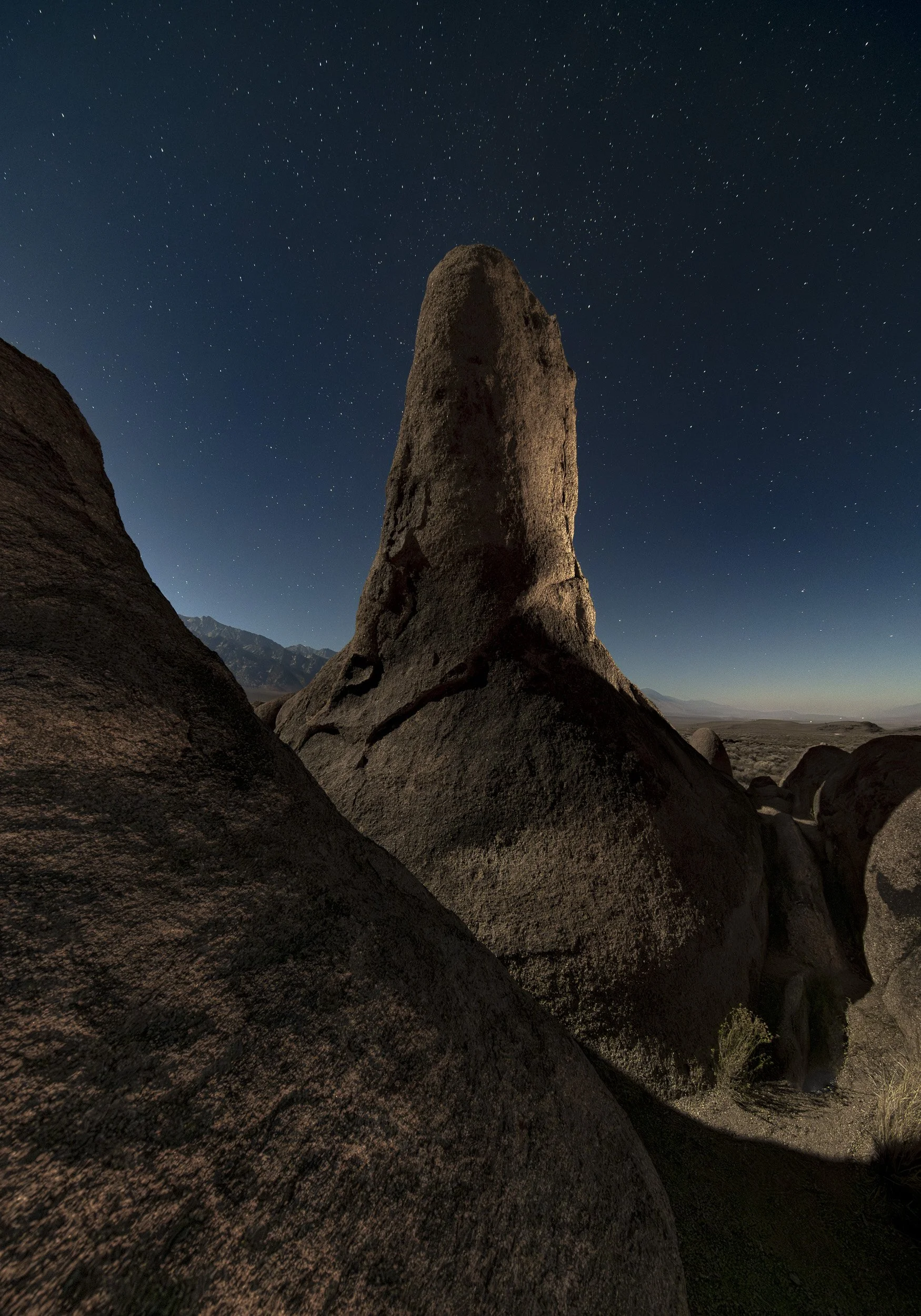
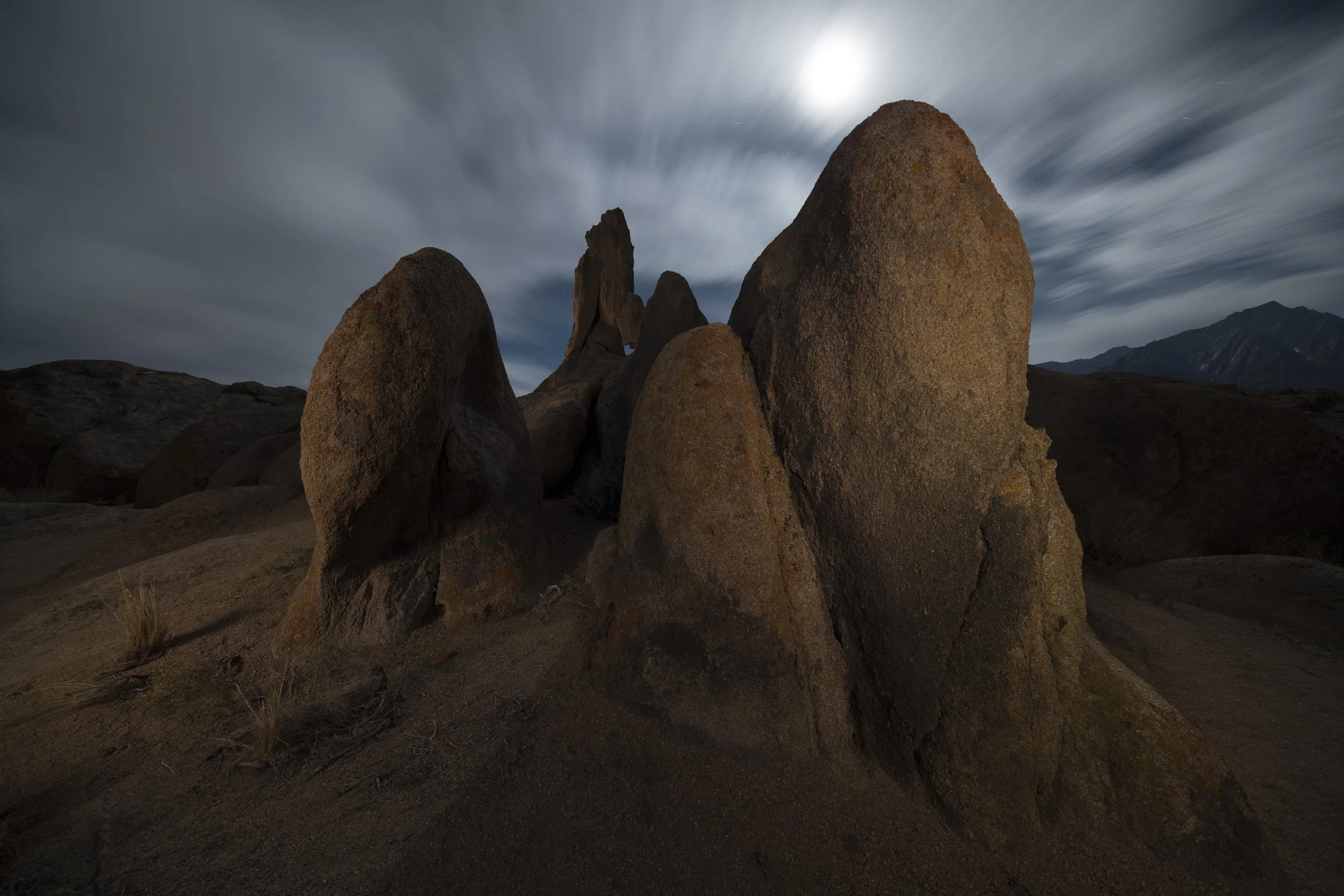
This is both a day and night adventure, and our daytime excursions will include Manzanar, the internment Camps where Japanese Americans were held during World War II, Devil’s Postpile National Monument, and the Cerro Gordo mine. We’ll end with a couple of nights in Lone Pine to photograph the arches at Alabama Hills, because no trip to the Eastern Sierra would be complete without them.
This workshop coincides with a waning gibbous moon that rises later and later each night. This will allow us to photograph the Milky Way before the moon rises, then later we can use the moonlight to add further drama to the varied landscapes we will be photographing.
What You Should Know
This workshop caters to knowledgeable photographers with an intermediate or higher skill set. Participants should have a firm grasp of the basic principles of photography and of their cameras, and have a comfortable understanding of night photography fundamentals.
We will be happy to offer advice and answer questions about both day and night photography, but the focus of the formal education will be on beyond-basics techniques.
What You Will Learn
There will be plenty of opportunities to experiment and level up your light painting. Low-Level Lighting (LLL) and flashlight techniques will both be needed to carve your impression on these spectacular landscapes.
You’ll go home after the workshop with a solid grasp of night photography in dark sky and minimally moonlit environments, plus a good foundation in light painting techniques.
TOPICS COVERED WILL INCLUDE:
astro-landscape photography for star points and the Milky Way
scouting and planning your shots
composing and focusing in low light
determining the best exposure for night scenes
twilight and starlight blends
light painting
and more …
This workshop does not include classroom instruction. It’s a road trip adventure, so instruction will be entirely in the field. Each participant will have the opportunity to work one-on-one with Lance and Tim while on the night shoots.
Night Conditions



Logistics & General Info

Travel
We’ll be covering over 150 miles on Route 395, going north to south, starting in Lee Vining and ending in Lone Pine. We recommend flying into Reno and flying home from one of the Los Angeles area airports. This will save you an additional three hours of driving back north on 395 at the end of the trip—Lone Pine to Los Angeles takes about 4.5 hours to drive, whereas LAX to Lee Vining takes six hours. If you are a United flier, you could fly in and out of Eastern Sierra Regional Airport (BIH), but options are limited and expensive.
You are responsible for arranging and paying for your own transportation.
Nearby Airports:
Eastern Sierra Regional (BIH) — 1 hour, 15 minutes from Lone Pine (United Airlines only)
Los Angeles, (LAX) — 3 hours, 30 minutes from Lone Pine
Reno-Tahoe (RNO) — 2 hours, 45 minutes from Lee Vining
Rental Car
You will need a rental car to get to the workshop and to the shoot locations.
A couple of locations may require four-wheel-drive depending on conditions. Carpooling to these spots encouraged.
If you are interested in carpooling or sharing a rental car, let us know and we will try to connect you with another attendee looking for the same.

Lodging & Food
We will be staying in three hotels over the course of this 7-night workshop. You are responsible for arranging and paying for your own meals and accommodations.
Lodging
You are not required to stay at the official workshop lodging, though doing so does make it easier to meet with the group each day.
Info and group code will be sent once our lodging partners are ready to begin taking reservations.
If you are interested in sharing a room, let us know and we will try to connect you with someone like-minded in the group.
If you have an RV, that would be a great option for this adventure.
Food
There are plenty of options for fast or slow food along Route 395.
We encourage eating two meals per day—a good breakfast and a great late lunch.
When on the night shoots, you may wish to bring snack food or a sandwich and plenty of water.

Weather
At the lower altitudes in Lone Pine expect daytime highs in the 70s F, lows in the 40s. In Lee Vining these temperatures will drop by 10 degrees, and if we venture into the high country above 8,000 feet, it may be below freezing at night. Be prepared for a wide range of temperatures.
Recommended Attire
Winter gear: base layer, fleece, shell and puffy jacket. Also a good hat with ear protection, and comfortable gloves or mittens. Be an onion––lots of layers.
Comfortable and protective shoes are recommended for getting around. There won’t be long hikes, but we will be on trails, so quality trail shoes or hiking boots would be optimal.

Exertion Level
The exertion level of this workshop is Moderate. (See more about our classifications.)
No vigorous activity will be required during the workshop, but please consider your physical abilities prior to registering. There won’t be any long hikes, but there will be trails involved, and you should be comfortable carrying your own equipment over uneven ground in the dark.
The Eastern Sierra ranges between 4,200 and 6,700 feet in elevation, and we may venture up into the mountains as high as 10,000 feet. Altitude sickness can become a concern at over 8,000 feet, and some people can experience it at elevations as low as 6,000. If you are generally sensitive to high elevations, or if you are coming from a sea-level region, we advise arriving in the area a day or two early to acclimate by going on some short hikes at altitude.
Note: To ensure the safety of individuals and the group, the workshop leaders may use their discretion to limit an attendee from engaging in a vigorous activity on-site should that person’s physical health or ability be in question. If you are unsure about your ability to meet the physical demands of this workshop, we will be happy to discuss your concerns one-on-one before you register. You are also, of course, welcome to attend a workshop and sit out any physical activity that makes you uncomfortable. In such cases, we can provide you with ideas for alternative shoot locations for that time.

Considerations
IMPORTANT: We encourage reading our FAQs page for more information about skill and gear requirements, and other information that pertains to all our workshops.
If you have questions, please contact us—we're happy to talk it over with you.
Discovering the Eastern Sierra …
“I’d never seen anything like the high desert of the Eastern Sierra. It was exhilarating …”
My mentor Steve Harper first introduced me to the Eastern Sierra during two summer classes in 1990. During the day we had a figure photography class, and of course we did full-moon night photography after dark. As it happened, it was to be Steve’s last year teaching at The Academy of Art College in San Francisco, so I was lucky to have the experience.
I’d been in California for only a year, and coming from the east coast, I’d never seen anything like the high desert of the Eastern Sierra. It was exhilarating—the grandeur of Tuolumne Meadows and Tioga Pass at the high elevations of Yosemite, and the crazy alien landscapes of Mono Lake. I was hooked.
I taught my own first workshop in the Eastern Sierra back in 2003, and then co-organized two small night photography conferences with Tim Baskerville of The Nocturnes at Mono Lake in 2006 and 2011.
It was at that second conference where I met Gabe Biderman for the first time. Here we are 15 years later, partners in National Parks at Night, still returning to this enchanting part of California. I guess I’ll never get tired of, and never run out of, new spots to explore and photograph here on the far side of the mountains.