Bolivia: Uyuni and Titicaca
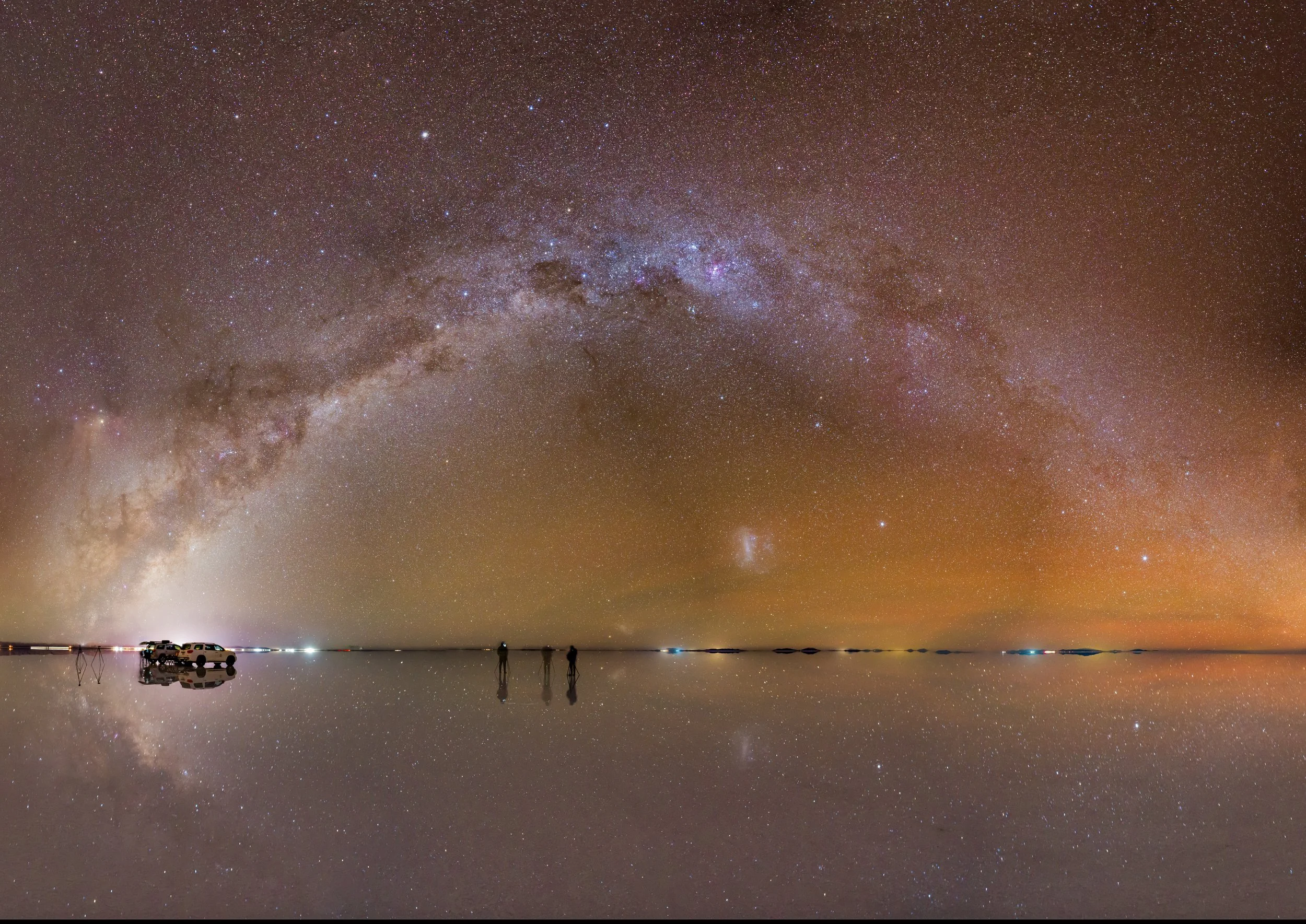
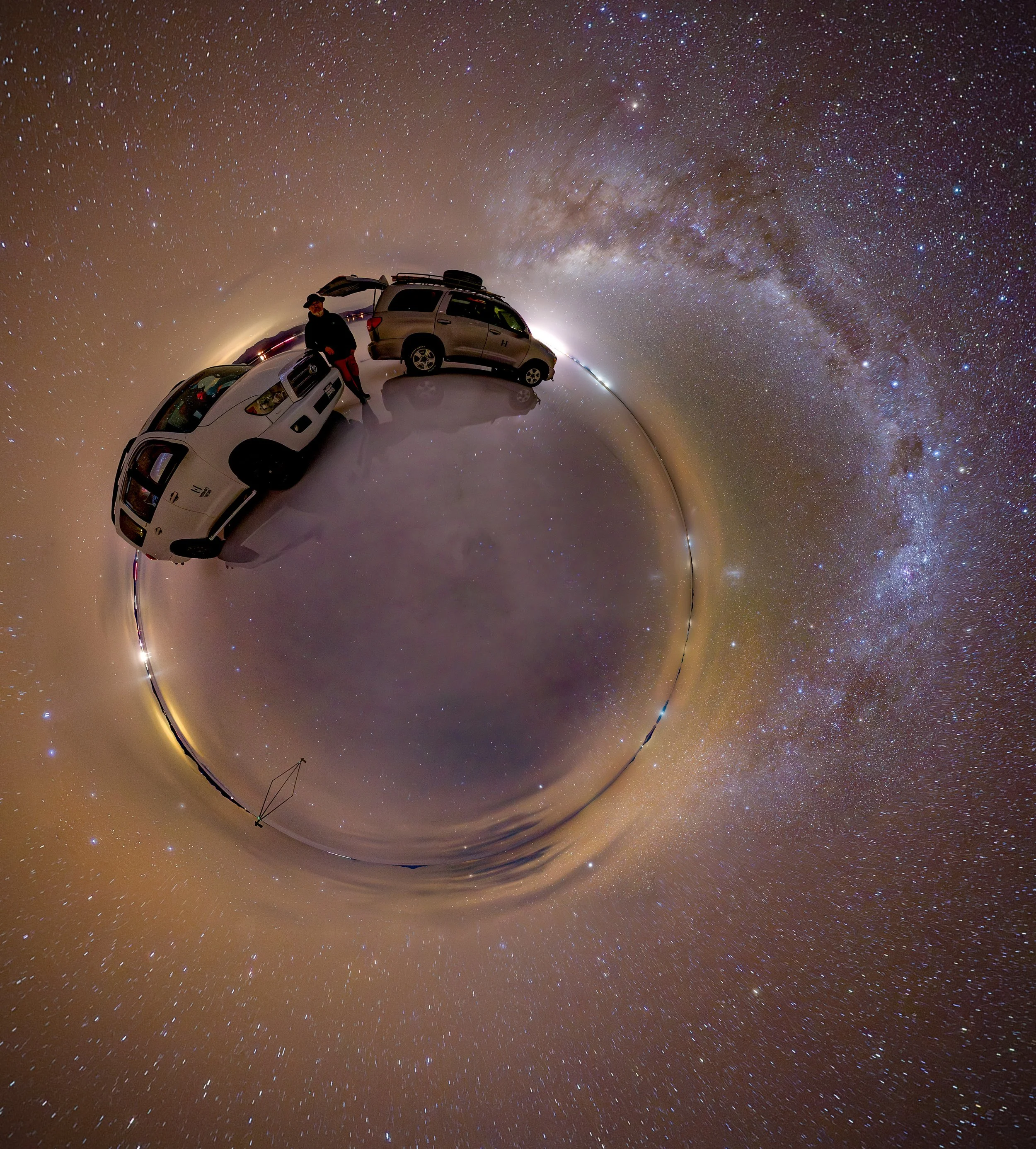
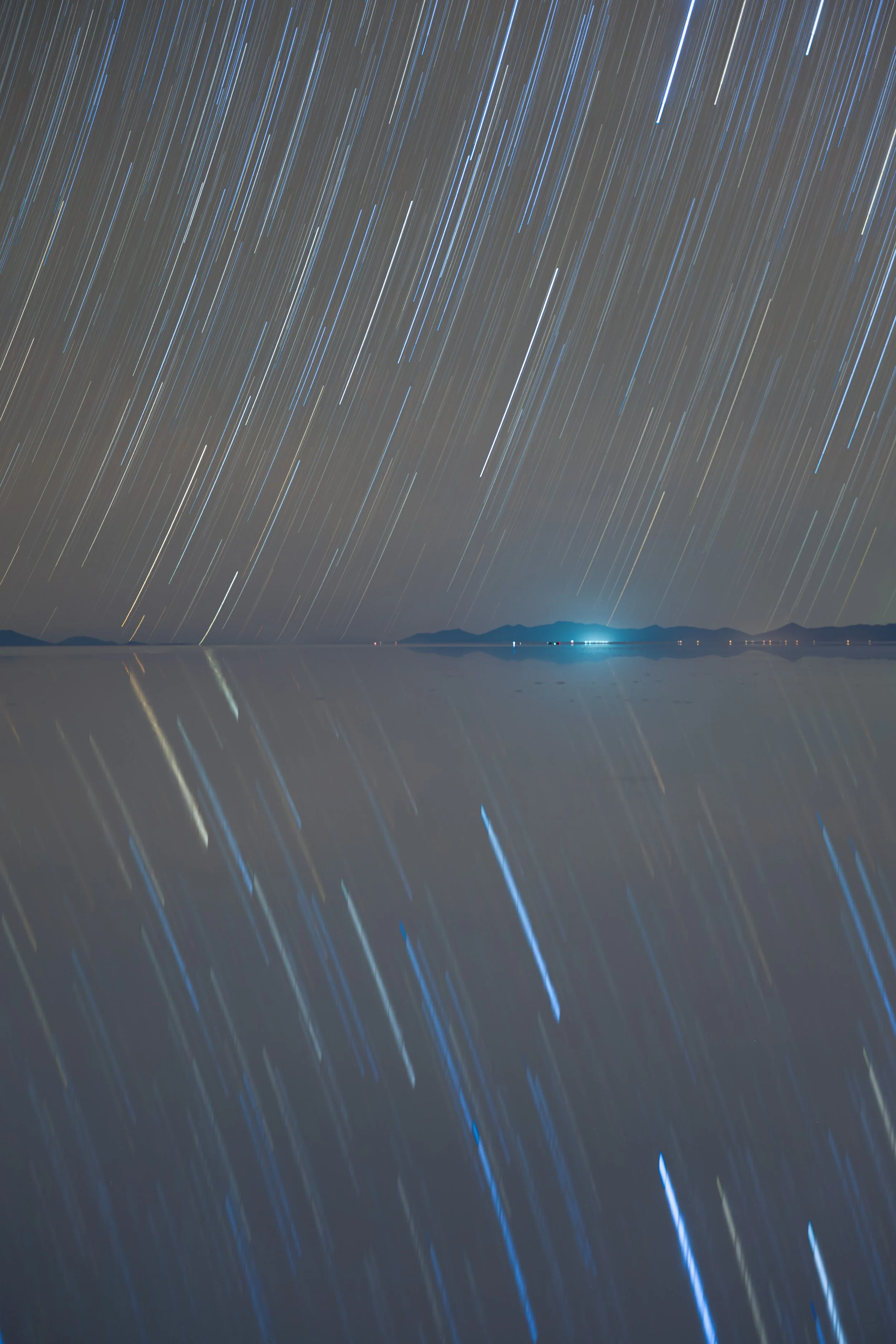
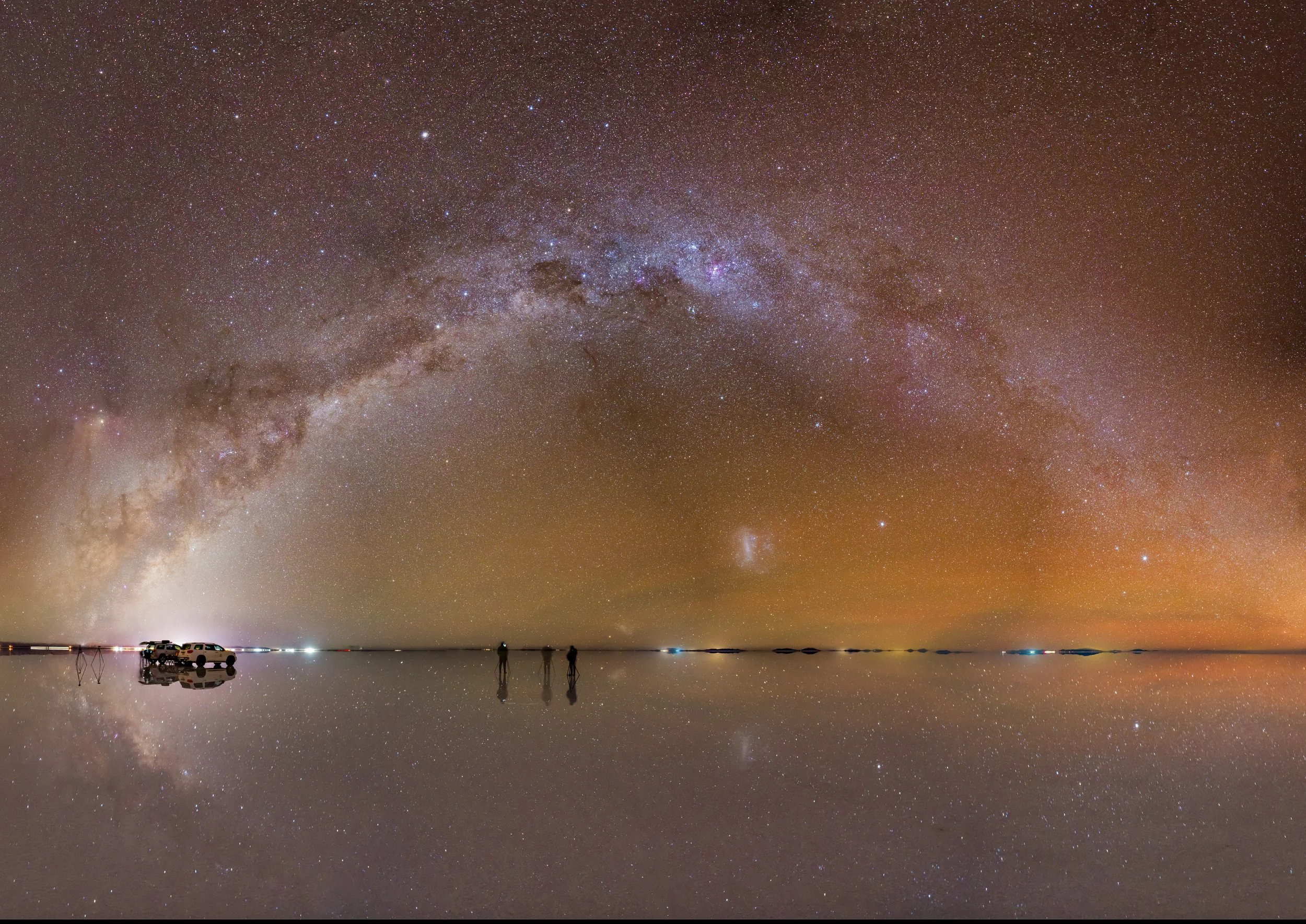
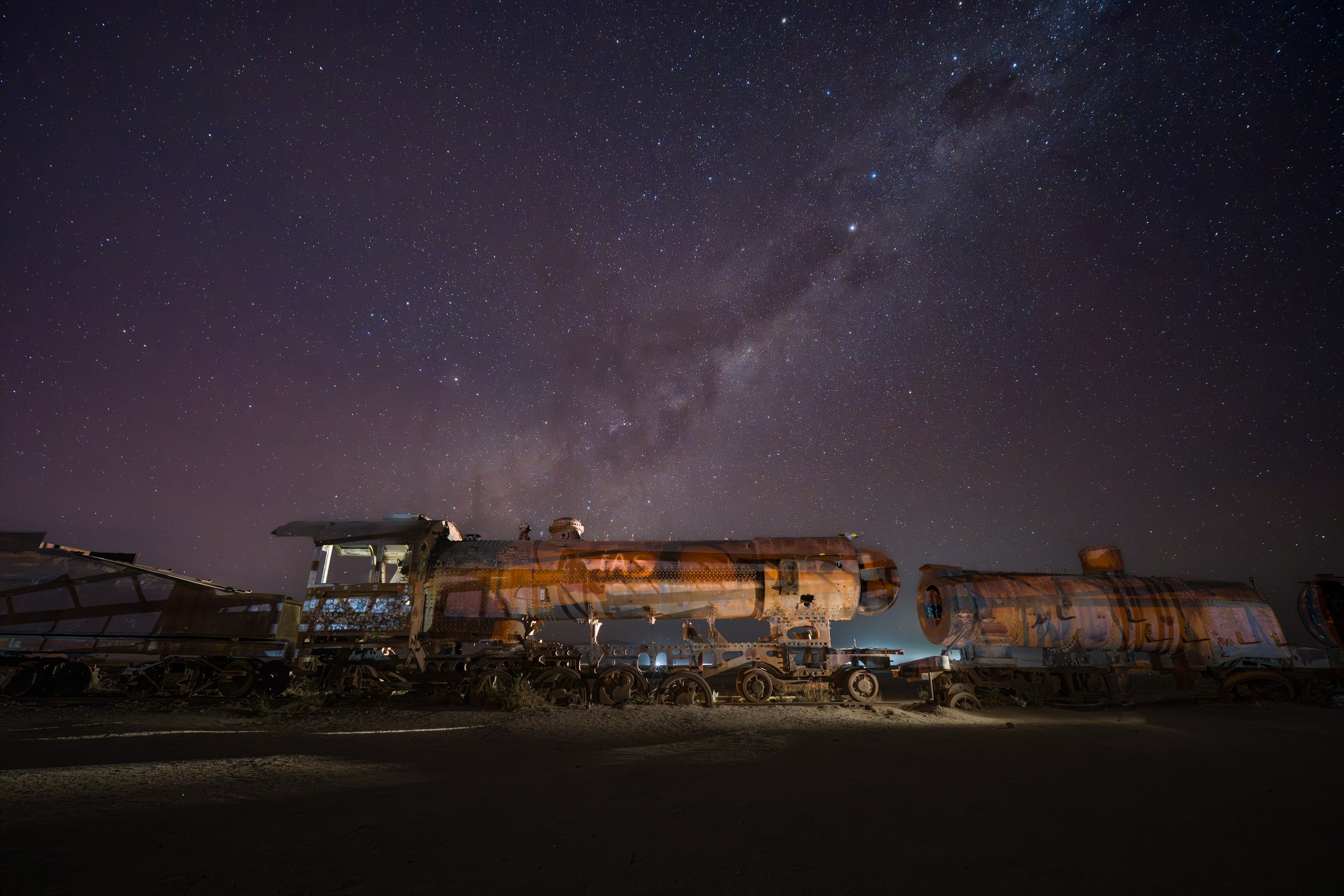
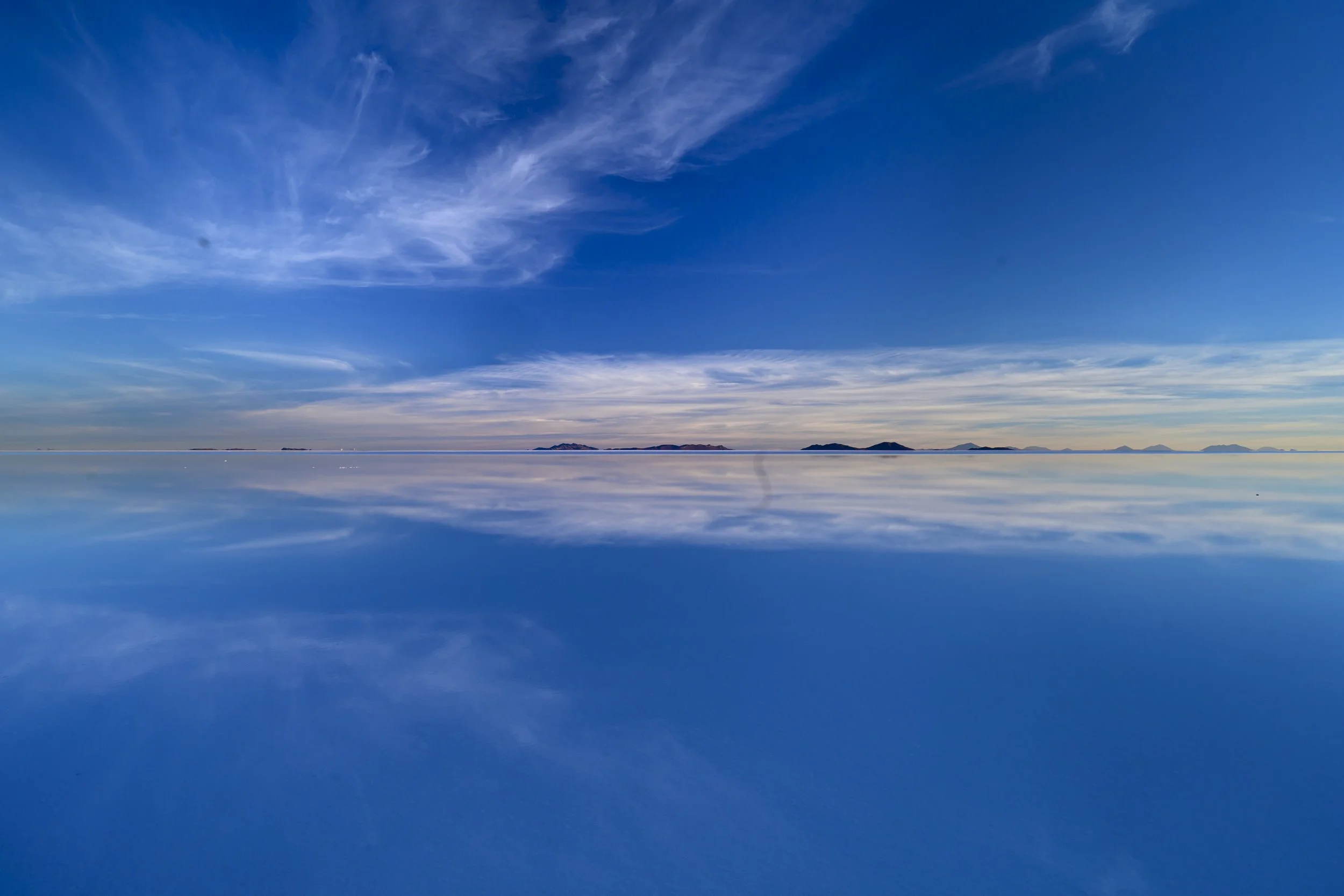
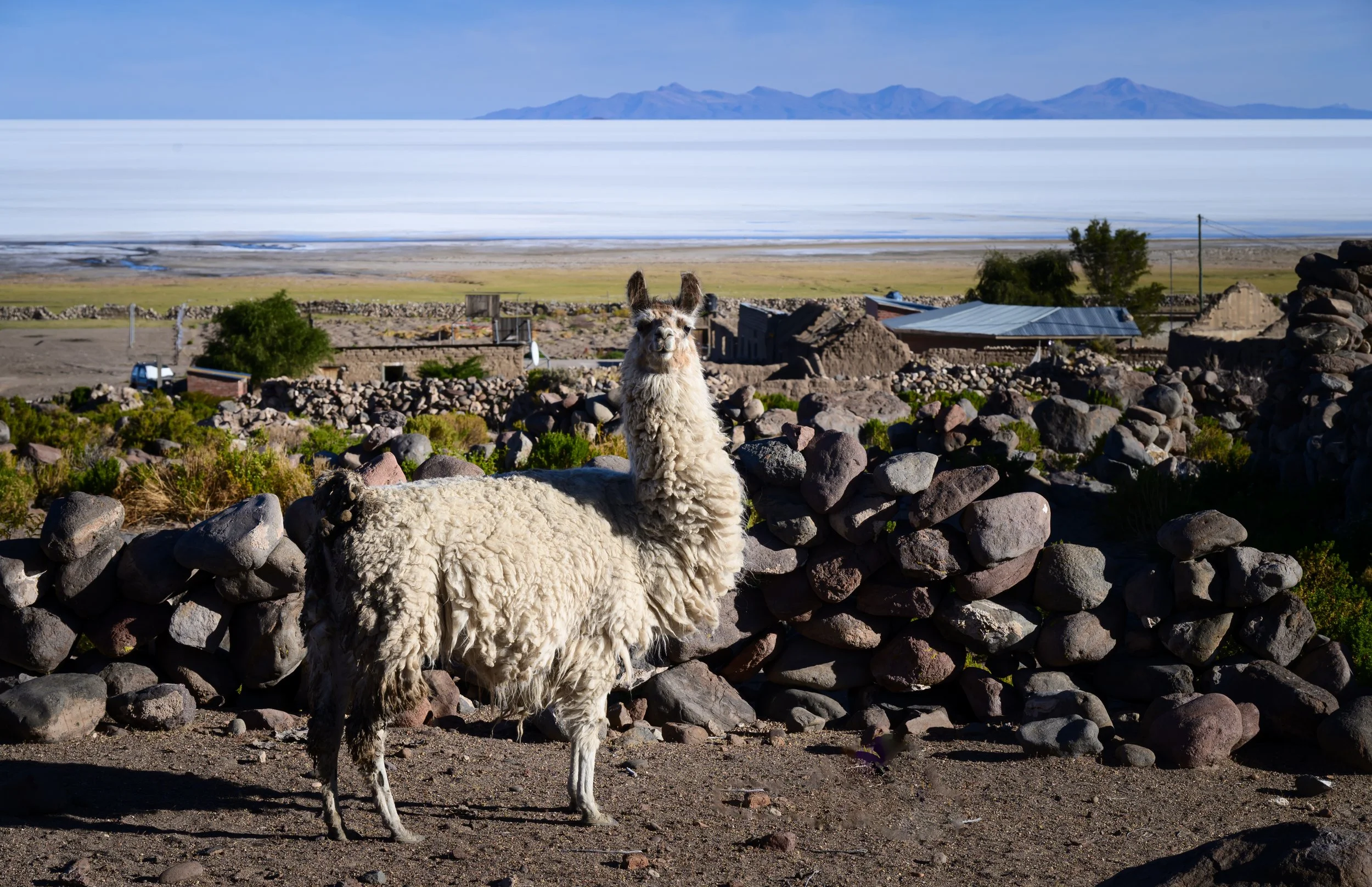
Welcome to Bolivia’s Altiplano, one of the highest and most surreal high-altitude plateaus on Earth. It is filled with dramatic landscapes, unique wildlife and centuries-old traditions that still guide ancient indigenous cultures. Our focus will be a four-star full immersion into three of our favorite locations in the world: the Salar de Uyuni, Lake Titicaca and the highest capital city in the world, La Paz. These regions are an absolute wonder for night photographers. Famous for the endless salt flats filled with reflecting water, Salar De Uyuni blends the line between heaven and earth. We’ll be surrounded by 360 degrees of stars, from those directly above us to those reflected at our feet—including the reflecting southern arch of the Milky Way.






Tour Details
April 15-24, 2028 — Sold Out, Join Waitlist Below
This is a 10-night, 10-day tour. Your adventure begins with your arrival on April 15 and ends after our final night on April 24.
$14,995 (single) or $25,995 (two people sharing a room). Register below.
Skill level
Intermediate+. Participants should have a firm grasp of the basic principles of photography and of their cameras, and have a comfortable understanding of night photography fundamentals.
Group size
12, with 2 instructors — 6:1 ratio
Tour Leaders


Registration
Hoping to get a spot? Sign up below for our no-fee waitlist.
| • Deposit of $TK is required to reserve your spot at the workshop. |
| • Balance of $TK is due on TK. —> Pay balance here. |
| • You may choose the “Pay in Full” ticket if you desire to pay all at once. |
| • Last day for a cancellation request is TK (see cancellation and refund policy). |
| • You may choose the “Pay in Full” ticket if you desire to pay all at once. |
| • The workshop fee does not include lodging, food, airfare, entrance fees, or transportation to or during the workshop. |
The Uyuni and Titicaca Experience
Get ready for our continued “gastro-astro” explorations of South America! Guided by the pristine southern night skies, we’ll navigate around Bolivia’s high-altitude plateau and visit the world’s largest salt flats and highest navigable lake. All this while enjoying the comforts of the best hotels and eating some of the finest food in the region.
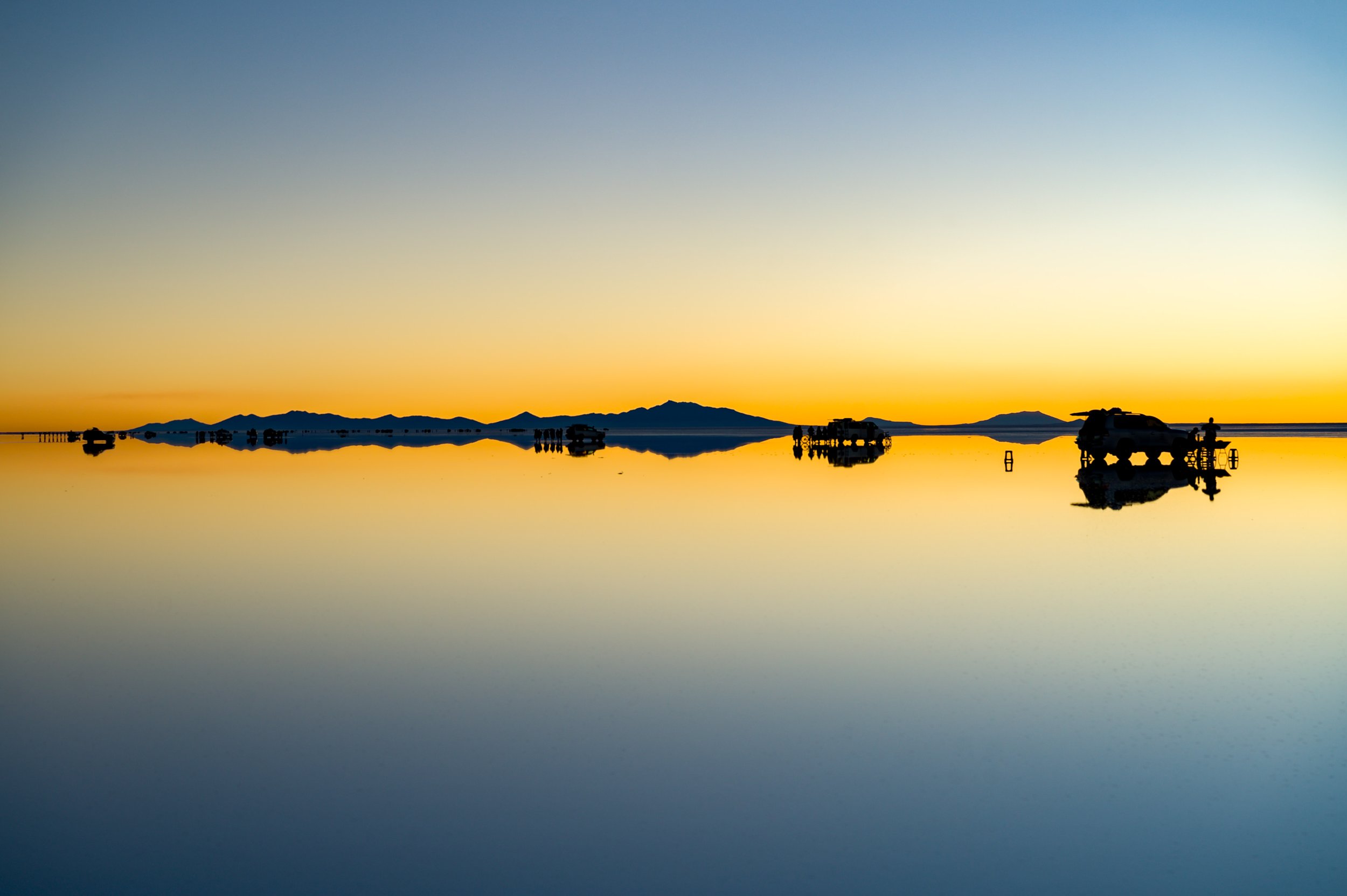
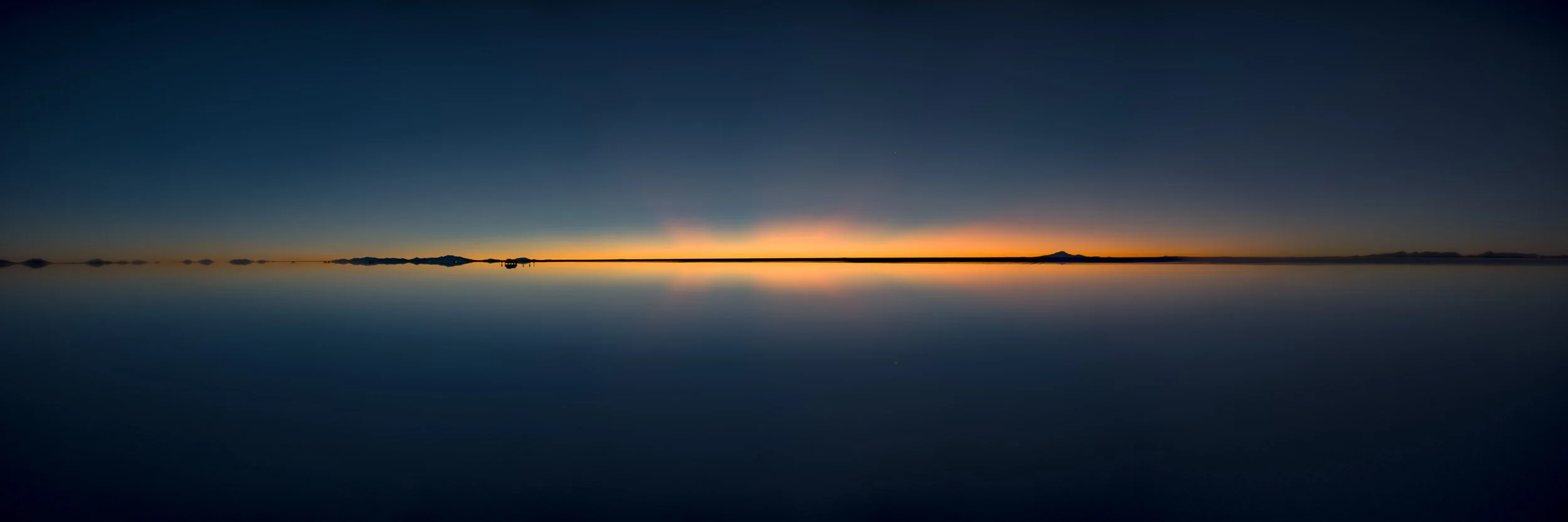
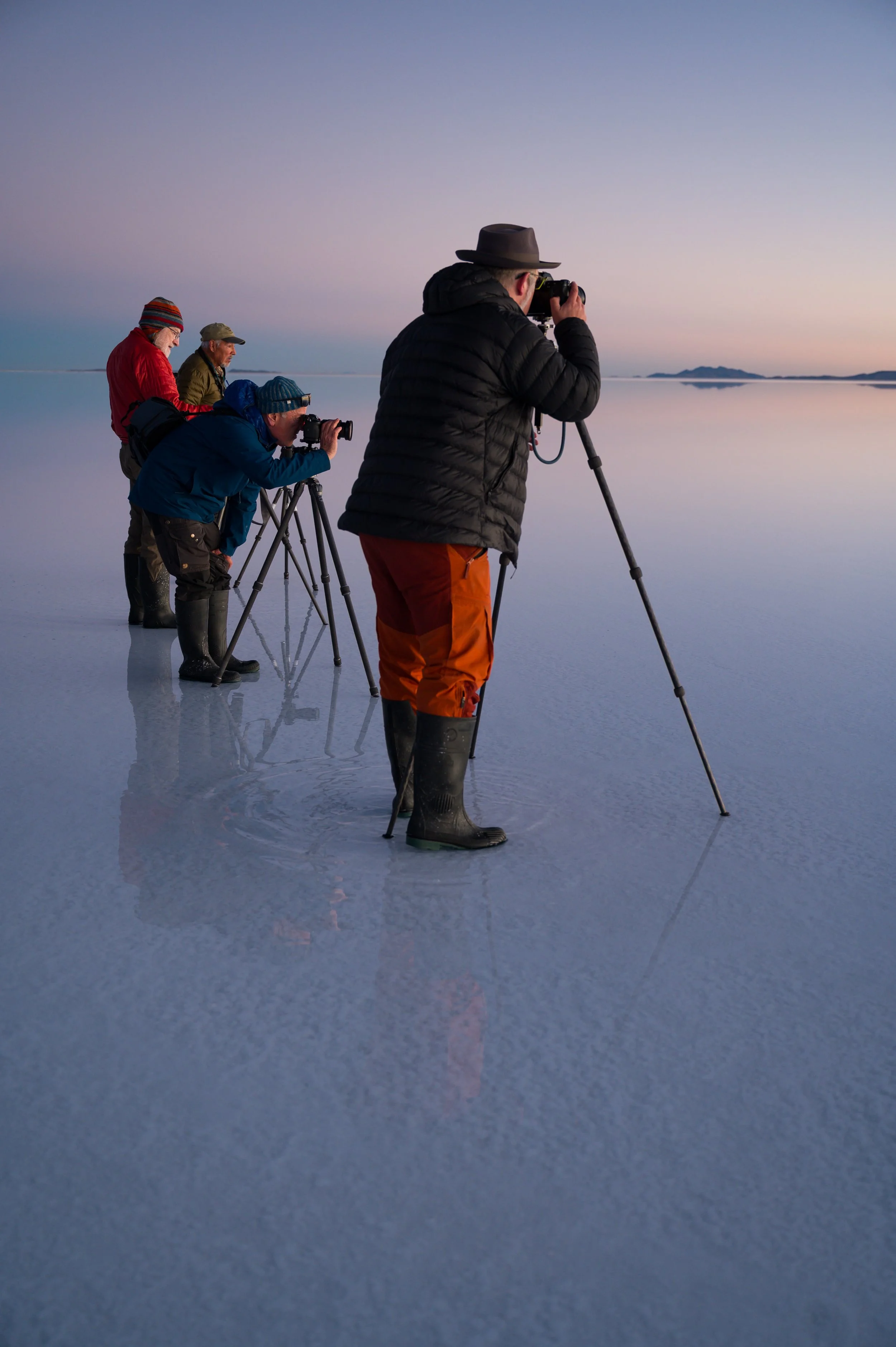
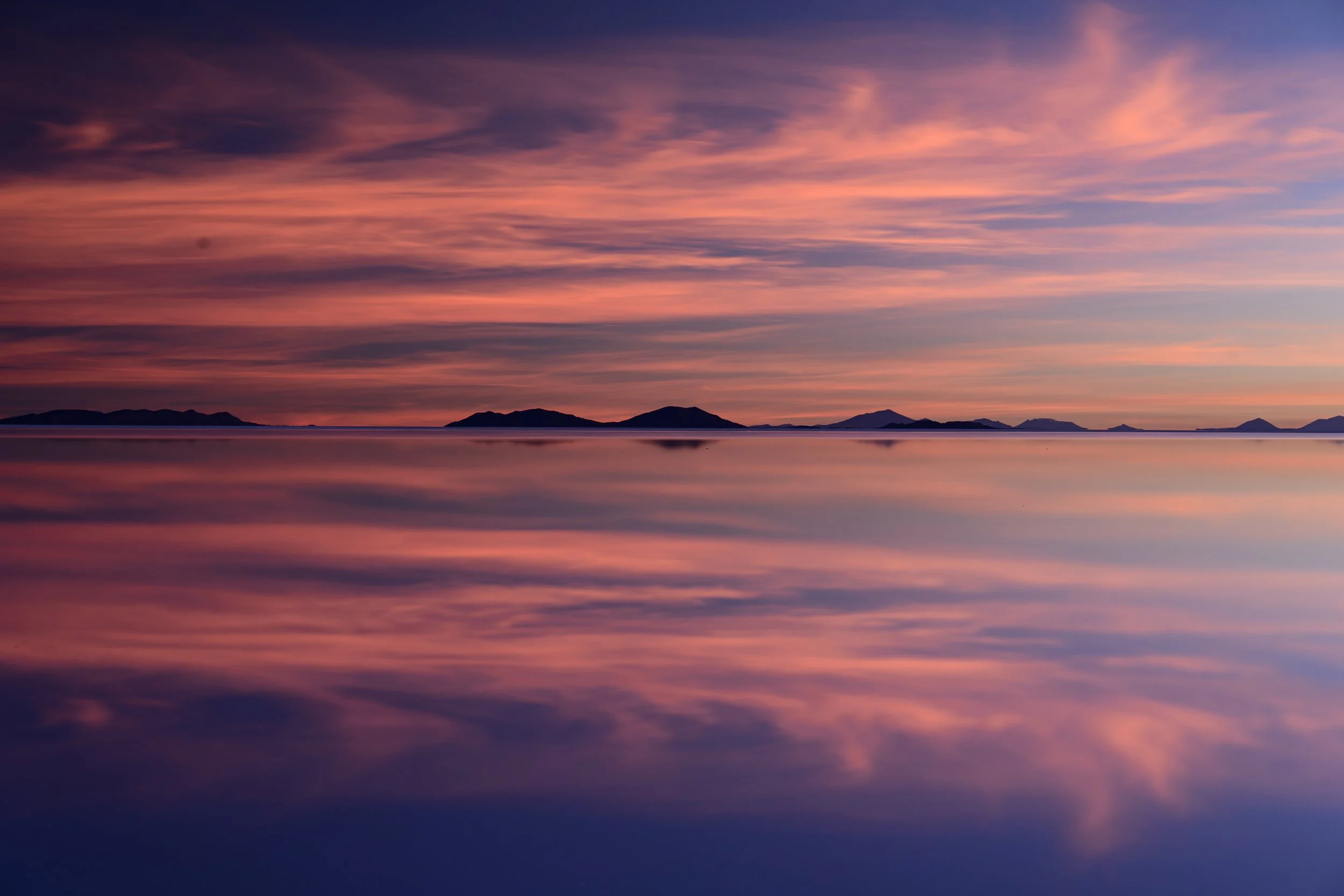
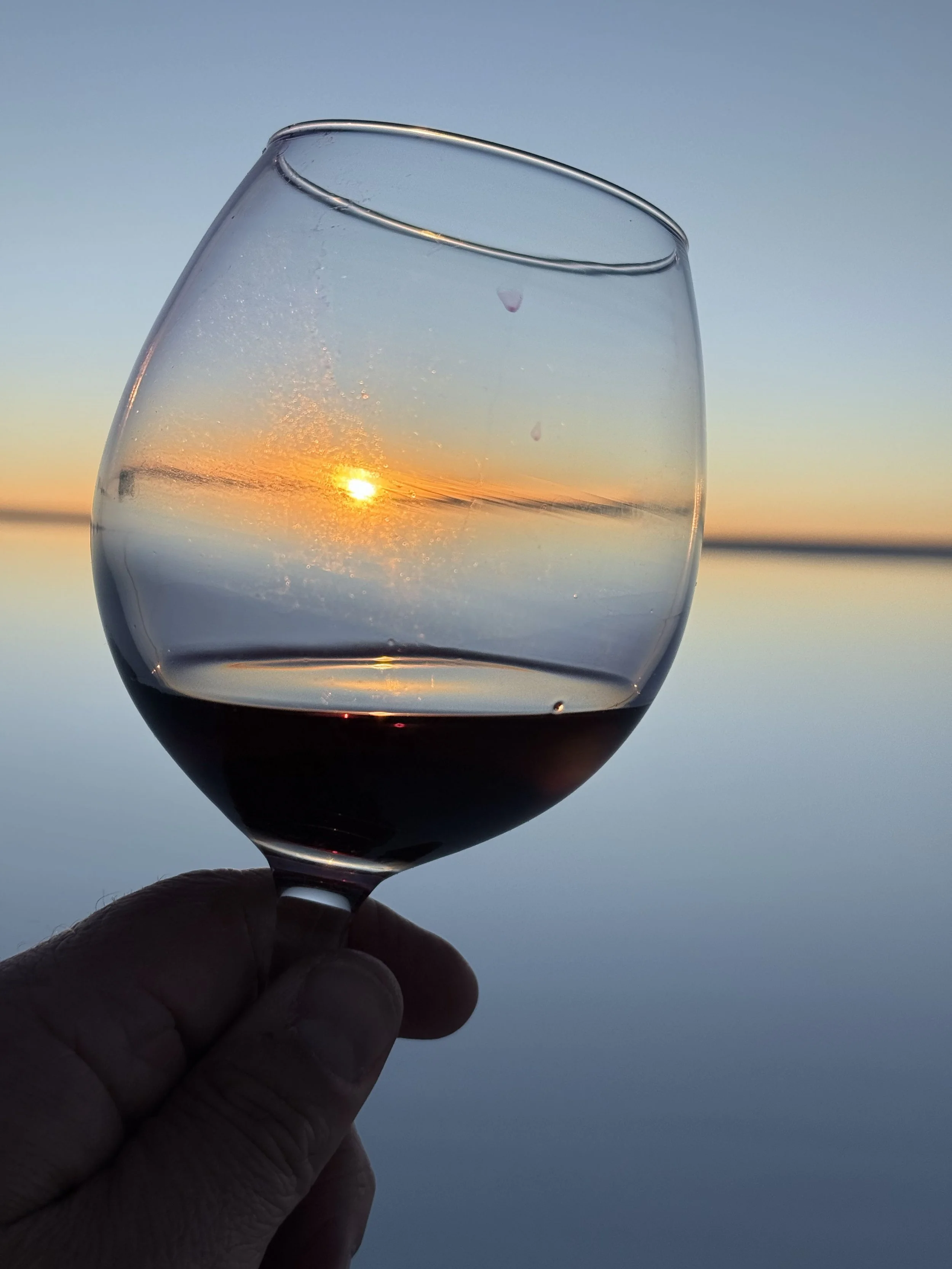
The Salar de Uyuni stretches over 4,000 miles at an elevation of 12,000 feet in the Altiplano region of Bolivia. Known as a night photography wonder of the world, when rain falls in Uyuni, the salt flats act like an endless reflecting pool and the celestial line between heaven and earth becomes one.
We specifically timed this trip to fall during the “reflecting season” as well as a waning crescent moon that won’t disrupt our dark skies. We’ll be able to catch a once-in-a-lifetime shot: the Southern Hemisphere Milky Way arch reflected right at your feet.
We’ll leave the salt crust shores of Uyuni for the ever-shifting cobalt colors of Lake Titicaca. We’ll arrive in the lesser-known Bolivian Copacabana, which sits at the stunning shores of Lake Titicaca. This gateway town to the Isla de Sol offers a unique mix of ancient Incan history, vibrant indigenous culture and colorful local traditions. Dotting the shoreline are the same papyrus reed ships that explorer Thor Heyerdal used on his Kon-Tiki expedition to Rapa Nui. We’ll also witness the fascinating custom where locals bring their new cars to the church plaza fully decorated with flowers and christened with beer to honor the revered goddess, Pachamama.
From Copacabana, we’ll board a private boat for a one-hour navigation across the crystal-clear waters of Lake Titicaca. Our final destination is the Island of the Sun, the legendary birthplace of the Inca civilization. Once on the island we’ll use boats and ancient pathways to enjoy over 80 Incan ruins. We’ll also have constant breathtaking panoramic views over the deep blue waters of Lake Titicaca and the snow-capped peaks of the Andean Royal Range.
Though we will be staying at the larger Island of the Sun, just to the south lies the Isla de la Luna (Island of the Moon). Of course we will visit and make long exposure photographic offerings at their Inca temples and well-preserved ruins.
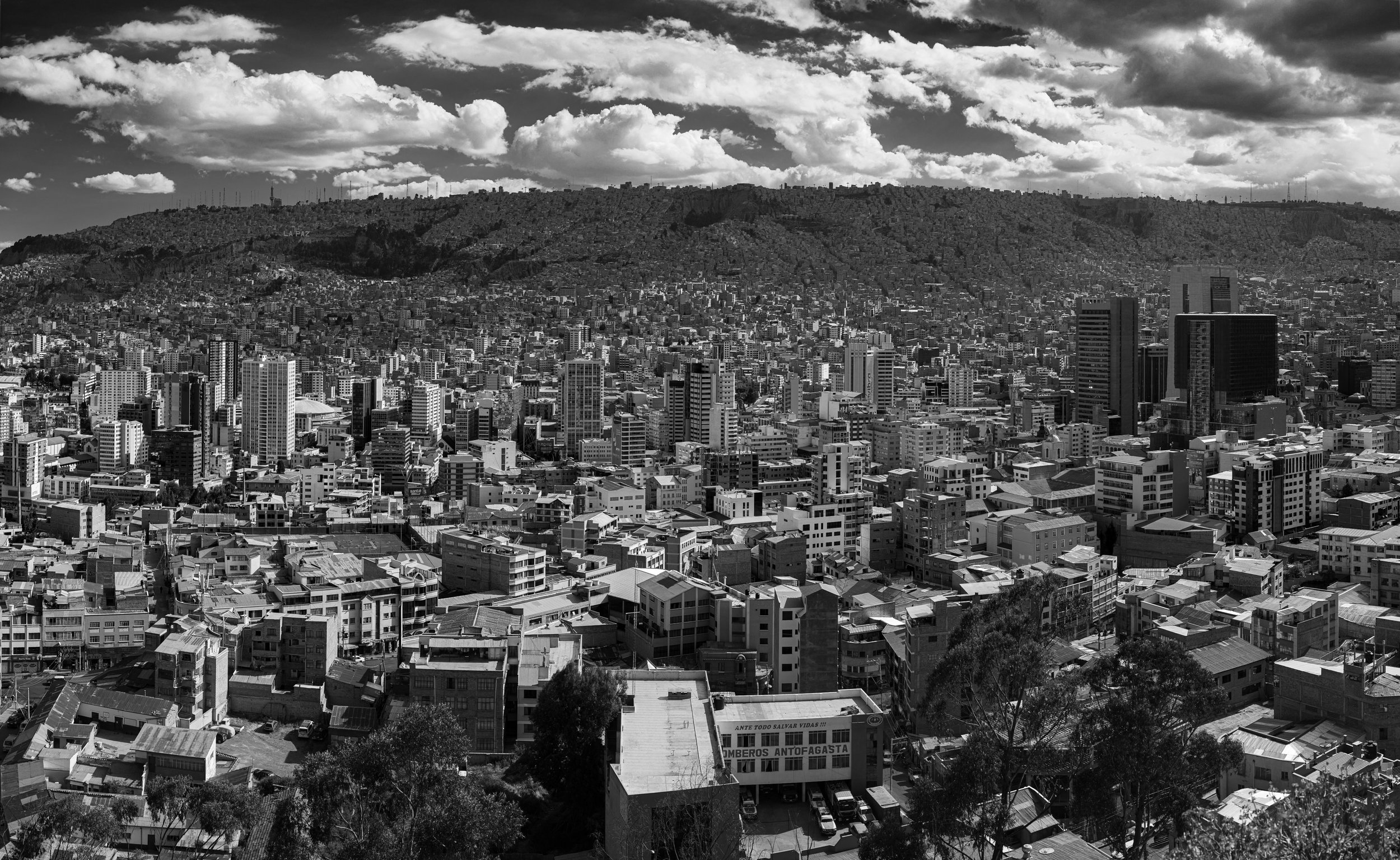
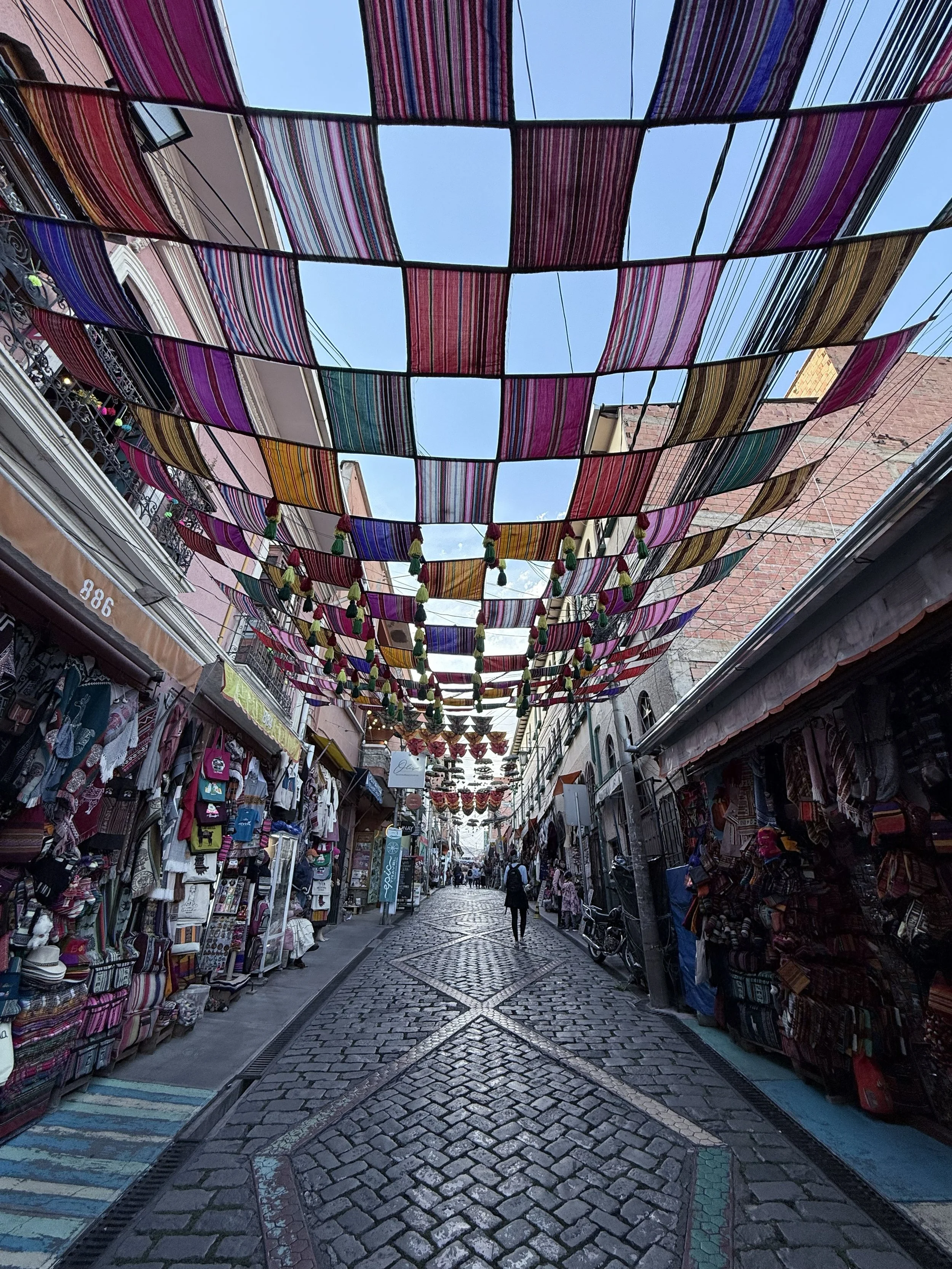
Then we will leave historic lake life behind and wrap our Bolivian adventure in the city of the clouds, La Paz. Tucked inside the valley surrounded by the Andes Royal Range lies a dense, cascading urban landscape like nothing else we have seen before. It is a world of dramatic inclines and modern contrasts. Gleaming glass and steel skyscrapers settle into the commercial core of the city while vast waves of red brick homes continually climb up the hillside. A labyrinth of streets filled with colorful murals creates open-air galleries for international artists.
The best way to see and capture La Paz is via the Mi Teleferico, the world’s largest urban cable car network that offers sweeping panoramic views of this sprawling city. During the day we’ll hone our street photography skills as we are guided through local neighborhoods, the narrow winding roads, food markets, museums and more.
We also have two trips planned outside the city. First up is a trip to the moon! Well, the Valle de la Luna, to be precise. This eroded mountainside is a maze of sharp spires, hoodoos, craters and narrow ridges. It is reported that Neil Armstrong visited the Valley of the Moon in 1969 and remarked that the terrain resembled the lunar surface of the moon he had recently touched down on.
A little further away is a tour of Tiwanaku, a major pre-Columbian archaeological site that predates the Inca Empire by hundreds of years. In fact, the Incas were deeply inspired by Tiwanaku’s monumental stone buildings and incorporated these ruins into their own creation mythos as the birthplace of humankind.
This UNESCO World Heritage Site features ruins that are in excellent condition for having been built 1,500 years ago. The most striking structure is the still standing Gateway of the Sun that features intricate carved reliefs. The largest structure is the Akapana Pyramid. Unique water management linked this pyramid with an underground river that led to Lake Titicaca. This engineering marvel is often compared to the Great Pyramid of Giza due to its complexity and cultural significance.
OTHER HIGHLIGHTS
Stay at the 4-star Palacio de Sal Hotel, the most luxurious hotel in the region, made entirely of salt.
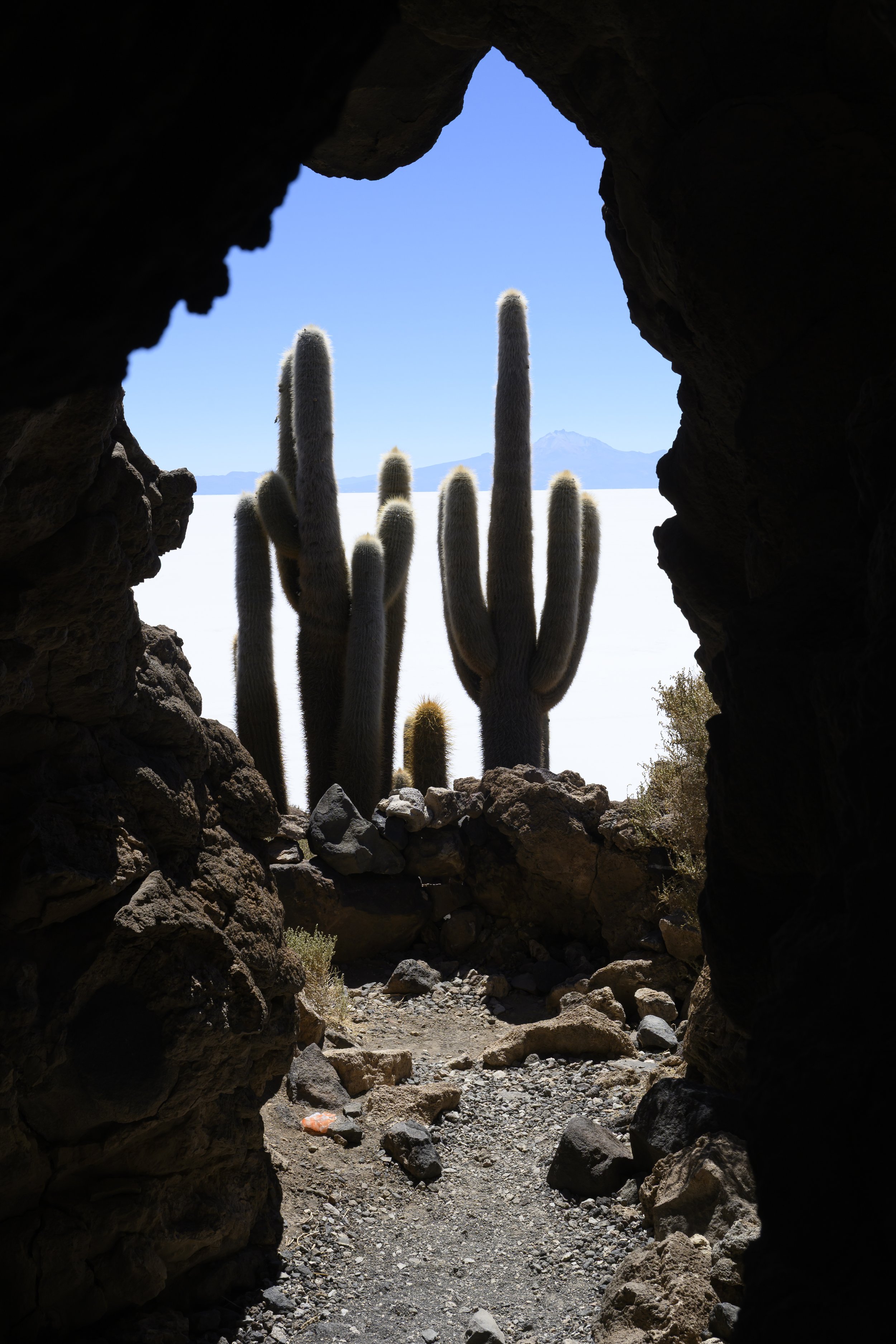
Explore the “islands” in the Salar de Uyuni, with giant cacti up to 30 feet high and the famous Flag Monument.
Photograph the surreal salt sculptures created by local artists in the middle of the salt flats.
Visit the village of Colchani, where we will spend time in the artisan market and tour a local salt processing plant.
Explore a hidden cave at a volcano with several mummies and ancient artifacts.
Enjoy many Apthapi lunches (traditional Andean meal) including a delicious and photo-worthy one in the middle of the salt flats.
Photograph many sunsets and night skies from the salt shores to the multi-colored shades of Lake Titicaca.
Visit the Basilica of Our Lady of Copacabana, a striking Moorish-influenced white cathedral which houses the sacred Black Virgin.
Over 80 ancient and astronomical sites, including the two-story palace of Pilko Kaina, the labyrinthine stone ruins of Chinkana and Temple of the Virgins of the Sun.
Walk down the ancient Yumani Inca Steps to visit the legendary Fountain of Eternal Youth, a natural spring that has long been revered in Andean tradition.
What You Should Know
This tour caters to knowledgeable night photographers with an intermediate or higher skill set. Participants should have a firm grasp of the basic principles of photography and of their cameras, and have a comfortable understanding of night photography fundamentals. We will be happy to offer advice and answer questions about both day and night photography, but the focus of the tour will be cultural and exploring the surreal landscapes of Uyuni Salt Flats and Lake Titicaca.
If you would like to join us on this trip but are unsure whether you have adequate night photography skills, we can offer pre-event tutoring to get you ready for your adventure with us. Additionally, a few of us have written books that may be productive pre-trip reads.
What You Will Learn
As this is a photo tour rather than a workshop, the emphasis is getting participants to great locations with great light, and making sure that everyone has the trip of a lifetime. It isn’t every day that you get to travel to Bolivia!
That said, the entire trip will be a learning experience. From one-on-one field assistance to casual Q&As during travel to learning from your fellow participants to the cultural locations we’ll visit, this tour will be filled with constant inspiration, adventure and education.
The primary emphasis is to make you a better travel photographer and to improve your landscape and night skills. Each participant will have the opportunity to work one-on-one with Gabe and Lance in the field.
TOPICS COVERED WILL INCLUDE:
Milky Way
Southern Hemisphere dark skies
starlight blends
star points and trails
landscape compositions
drone photography opportunities
and more …
There will not be any classroom time during the tour. However, we will host a pre-and post Zoom session and send you materials, a gear list and homework to prepare you for our epic photographic tour through Bolivia.
Night Conditions





Logistics & General Info

Ticket Info
This will be a premium experience. We are staying at the best hotels and eating excellent food. All transport will be in comfortable vehicles with lots of space.
Included:
All accommodations in Bolivia starting April 15 and concluding on April 24, including the Palacio de Sal, the best hotel/spa right next to the Uyuni Salt Flats.
All meals starting April 16 and concluding on April 24.
All transport in comfortable 4x4 vehicles, including transport to and from Cocacabana and Lake Titicaca.
Multiple expert and local guides who speak English well and will assist with a smooth international experience, including one that will travel with us on the entire trip
Pick-up/drop-off at Santa Cruz, Uyuni, and La Paz airports.
Local drivers.
Not included:
International travel to and from Bolivia.
Domestic flights from Santa Cruz to Uyuni and Uyuni to La Paz.
Personal items.
Tips for our local guides and drivers.

Travel
You are responsible for arranging and paying for your own air transportation before, during and after the trip.
Plan your arrival to the largest airport in Bolivia, Santa Cruz (VVI), on April 15, 2028. It could take anywhere from two to four flights to get there depending on where you are flying from.
Your return flight from La Paz (LPB) will be on April 25.
You are also responsible for booking and paying for two domestic flights as well: from Santa Cruz to Uyuni (UYU) and Uyuni to La Paz. Details on which flights to book will be sent to you as soon as they are available in the Spring of 2027.
We can assist with any additional hotel reservations if you want to arrive earlier or stay later.

Lodging & Food
Lodging throughout Bolivia will be in 4-star hotels with excellent reputations. In Uyuni we will stay at the Palacio de Sal Hotel, the best and most luxurious hotel entirely, made of salt! Dedicated spa time here is a must. As mentioned this will be a gastro-astro tour—you’ll be able to indulge in an amazing food scene that blends high-altitude Andean ingredients, rich comfort classics and world-class modern gastronomy. Bolivian wine has a rapidly rising reputation that rivals the more popular Argentinian wineries.
Food
Expect excellent Bolivian and hyperlocal three-course cuisine, as well as excellent wine!
In the smaller towns we’ll enjoy a hearty and diverse blend of Indigenous Andean traditional meals.
All meals in Uyuni, La Paz and the Lake Titicaca region from April 16-24 are included.

Weather
Expect daytime highs in the 60s F, and nighttime lows in the 40s.
Recommended Attire
The sun at high altitudes can be intense. Protect your skin and eyes with sunscreen, sunglasses, buffs, wide-edged hats and clothing with UV protection.
Lightweight and breathable clothing.
Layers are essential on this trip as we’ll experience a variety of temperatures at different altitudes. Bring a windbreaker for daytime, and a packable insulated jacket, warm hat and gloves for night.
Comfortable and protective shoes are recommended for getting around. There won’t be long hikes, but we will be on trails, so quality trail shoes or hiking boots would be optimal.

Exertion Level
The exertion level of this workshop is Active. (See more about our classifications.)
This is a high-altitude trip. We’ll be in the Altiplano region of Bolivia for most of our time, with an average elevation of between 12,000 and 13,000 feet. Please consider your physical abilities prior to registering.
Altitude Sickness
Altitude sickness can become a concern at over 8,000 feet, and some people can experience it at elevations as low as 6,000. There won’t be any heavy exertion but everyone reacts to high elevation differently. The guides will monitor for signs of altitude sickness, and we would highly recommend travel insurance in case you need to be evacuated to lower elevations. That being said, everyone did fine on our last trip to Uyuni and La Paz. The best advice to prevent altitude sickness is staying well hydrated.

Considerations
IMPORTANT: We encourage reading our FAQs page for more information about skill and gear requirements, and other information that pertains to all our workshops.
If you have questions, please contact us—we're happy to talk it over with you.
descubriendo La Paz …
“We jumped in and had a gondola all to ourselves. Immediately cameras were clicking, timelapses were ticking and perhaps a 360 or two were captured. …”
It’s tricky getting in and out of Bolivia from the US. It typically involves two to four flights and early departures and late arrivals. I personally think it is a trick to make you stay longer.
La Paz was supposed to be just a layover from Uyuni, as it was the closest international airport I could use to fly home. When I couldn’t find any connections without spending a day in La Paz, I reached out to my contact in Bolivia. I could hear him grin from ear to ear over the phone. “You are really going to enjoy La Paz,” he said.
We were coming from an intense trip through the high-desert Puna region of Argentina and the reflecting salt flats of Uyuni. It had already been a three-week adventure. I just wanted to get home.
When our exhausted group landed in La Paz, we were whisked comfortably through the bustling streets filled with colorful retro buses, cars and trucks from the 1970s. A strange time machine was certainly responsible for this. The rest of the town played like your typical chaos of people and industry weaving in and out of what seemed like an average large South American city. However, the real heart of La Paz had yet to reveal itself. We quickly learned that La Paz can make an impact like few other cities can.
There are many ways to enter La Paz, but the absolute showstopper is the high wire act of the interconnecting gondola system. We jumped in and had a gondola all to ourselves. Immediately cameras were clicking, timelapses were ticking and perhaps a 360 or two were captured. It was clean, efficient, safe … and also absolutely insane! We didn’t want to get off, unless it was to take another gondola back up, or over there, or what about that place? We had a perfect bird’s-eye view of this incredibly colorful city, the Andes Mountains and beautiful skies. Our tired bodies invigorated, we felt like a bunch of kids on their first ride in Disneyland.
From there we had yet another exquisite meal that further cemented the gastro-astro theme Matt had dubbed this trip. We delved deeper, asking more and more questions from the guide as he took us from neighborhoods to historic places to scenic views. We now all had permanent grins on our faces as La Paz kept revealing more magic around each corner.
We had already agreed that Uyuni was the high point of our trip. To experience and photograph the southern skies that stretch endlessly, as well as the reflecting water you were standing in was transformative.
We knew what to expect in the reflecting salt flats of Uyuni. La Paz was an incredible new discovery. All because La Paz wove its magic on us.
Now I don’t want to leave.